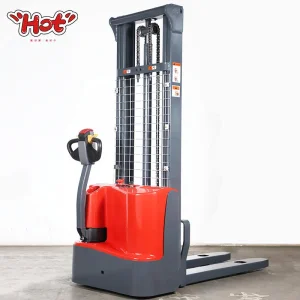
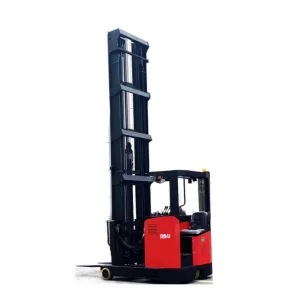
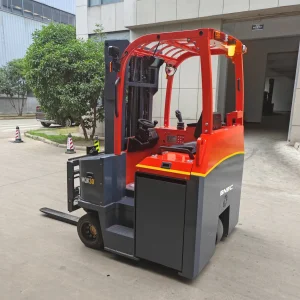
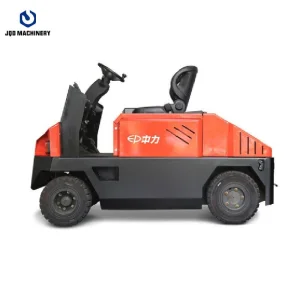
The acceleration of globalized high-velocity supply chains, coupled with the rapid rise of smart manufacturing hubs, has transformed the functional requirements of industrial equipment. In this ecosystem, Tow Behind Equipment acts as the connective tissue of intra-logistics operations. Moving raw materials from receiving bays to production lines, transporting work-in-progress (WIP) assemblies between modular stations, and consolidating finished goods in fulfillment yards require highly durable and intelligently integrated towing mechanisms.
Historically, warehouses relied heavily on standard forklifts for short-distance transport. However, this is fundamentally inefficient for horizontal material flow over longer distances. Forklifts carry loads individually, creating operational bottlenecks and elevated risk vectors. In contrast, electric tow tractors pulling multi-car trailers (tow behind trains) allow for the parallel transport of massive material volumes. This shifts operations from single-cycle handling to high-throughput, continuous-loop logistics paths, substantially lowering the total Cost per Unit Handled (CPH).
Globally, the demand for customizable heavy-duty tow behind trailers and motorized tow units is experiencing an unprecedented CAGR, driven by industrial upgrades across North America, the EU, and the Asia-Pacific region. Primary growth engines include:
Utilizing high-strength steel alloys, robotic welding platforms, and finite element analysis (FEA) to ensure optimal weight distribution and maximum yield resistance under maximum drawbar load limits.
Adhering to strict international standards including ISO 9001:2015, CE declarations of conformity, and OSHA industrial safety baselines. Each unit undergoes stress testing prior to leaving the line.
Anhui's industrial equipment ecosystem enables rapid material procurement, dynamic supply chain integration, and highly specialized production line efficiency, offering significant price-to-performance advantages.
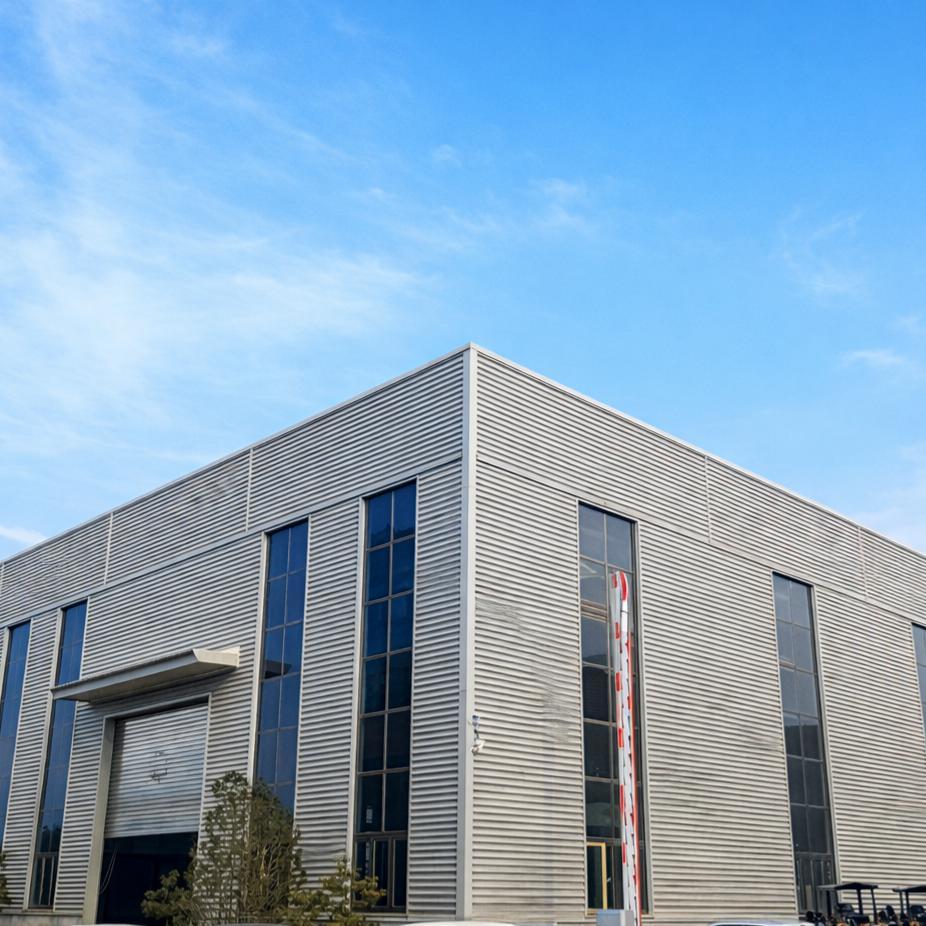
Headquartered in Anhui Province, China, Hefei GLS Forklift Co., Ltd. has established a position as a leading designer, manufacturer, and exporter of high-performance construction and material handling equipment. With over a decade of specialized R&D experience, our production plants are optimized to engineer complex custom OEM and ODM machinery configured to withstand tough working cycles.
Our comprehensive portfolio spans excavators, loaders, road rollers, heavy-duty forklifts, and versatile small tracked utility vehicles. Leveraging structural engineering expertise, we implement intelligent technologies, high-efficiency electrical drives, and advanced ergonomic designs across all production runs.
From initial design simulation to steel processing, assembly, and strict load testing, we serve as an end-to-end partner for commercial enterprises, mining operations, forestry works, and urban construction projects in more than 100 countries globally.
Custom OEM tow behind solutions must adapt dynamically to physical space, environmental challenges, and traction requirements. Understanding mechanical options guarantees operational longevity:
For operations pulling multi-trailer assemblies, tracking accuracy is essential. Standard steering layouts fail on sharp turns. We configure tow behind equipment with specialized mechanical Ackermann-based steering linkages. This design ensures that every trailer in the train follows the path of the lead tractor with minimal deviation, preventing collisions with shelving structures in tight warehouse aisles.
Moving up to 12 metric tons of materials requires substantial deceleration control. We offer three primary configurations depending on operational speeds and grades:
The shift to green warehouse logistics requires robust electrical engineering. Our electric tow tractors utilize high-capacity lithium iron phosphate (LiFePO4) battery packs, coupled with integrated liquid-cooling thermal jackets. This ensures consistent performance in sub-zero cold chain facilities (down to -25°C) and prevents thermal runaway in hot foundry settings.
Note on Drawbar Pull Calculation: Choosing the right tractor requires calculating the required Drawbar Pull (DBP). To pull a rolling load, the formula is: $DBP = W \times (RR + GR)$, where $W$ is the total trailer weight, $RR$ is the Rolling Resistance factor of the tires on the specific floor surface, and $GR$ is the Grade Resistance percentage. Contact our technical department to calculate your system requirements.
The industrial towing market is undergoing rapid evolution, influenced heavily by automation, machine learning, and sensor technologies. Procurement teams must keep these trends in mind:
With over a decade of production excellence, our material handling machinery meets international standards for reliability in high-throughput environments.

All excavators, loaders, road rollers, forklifts, and small tracked vehicles meet CE, ISO, and other industry certifications for compliance with local regulations.
With over a decade of production and sales experience, our physical production lines ensure direct pricing, consistent quality controls, and shorter lead times.
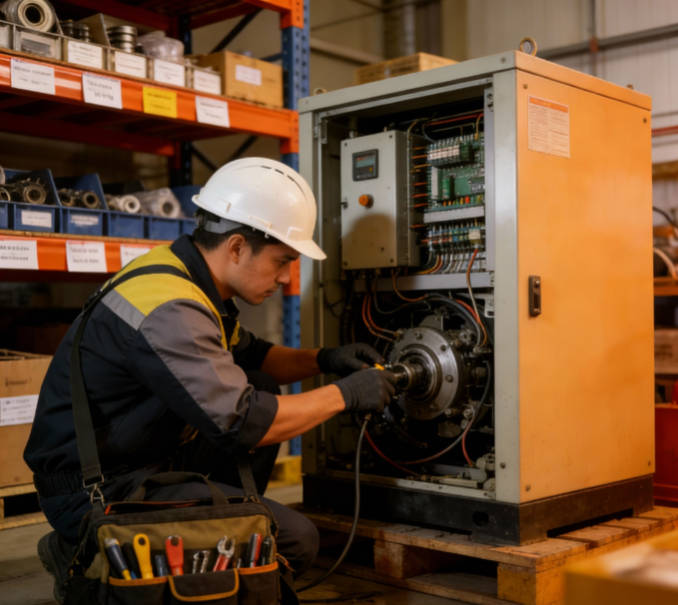
Our modular mechanical design enables quick configuration changes for mining, forestry, agriculture, construction, and specialized industrial settings.
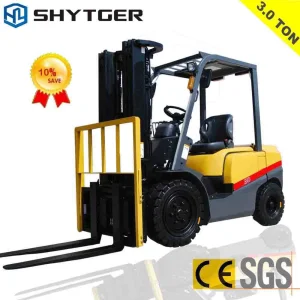
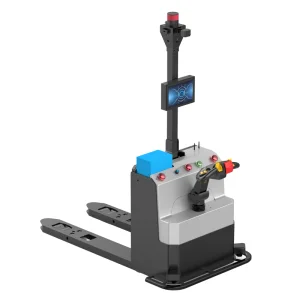
 GLS Forklift