Engineered to deliver optimal cycle times, clean combustion emissions, and robust structural payload integrity in harsh applications.
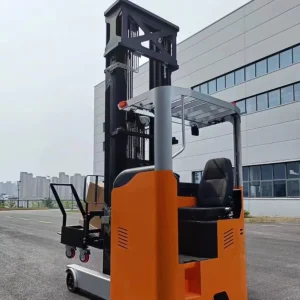
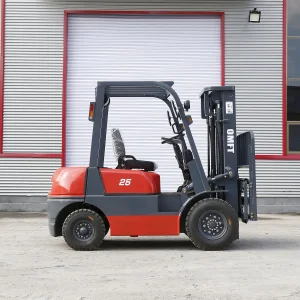
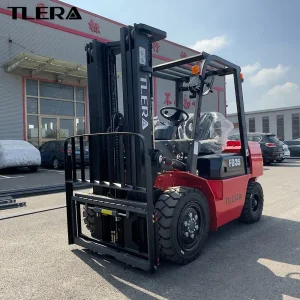
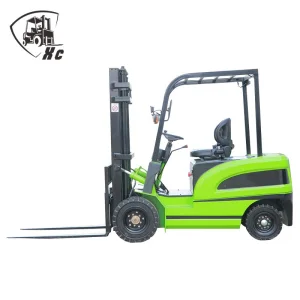
Understanding the transition in industrial material handling: Why LPG (Liquid Petroleum Gas) propulsion stands at the forefront of operational cost-efficiency and sustainable compliance.
In the contemporary logistics, manufacturing, and port handling industries, managers are constantly forced to choose between the operational range of combustion machinery and the environmental cleanliness of electric powertrains. LPG stackers and forklifts serve as the ultimate bridge technology. Offering the high torque output of traditional internal combustion (IC) systems, they emit significantly lower quantities of carbon monoxide (CO), nitrogen oxides (NOx), and particulate matter compared to diesel. This makes LPG units suitable for indoor warehousing, port warehouses, and outdoor yard management alike.
Furthermore, while heavy battery-electric vehicles require structured grid investments and hours of charging time, an LPG system can be re-fueled in under five minutes through cylinder replacement. In continuous three-shift logistics centers, this translates directly to higher equipment utilization rates and lower overall facility capital expenditure (CAPEX).
How LPG Stackers stack up against Electric Lithium-Ion and Heavy Industrial Diesel platforms across key engineering parameters.
| Evaluation Parameter | LPG (Propane) Powertrain | Diesel IC Engines | Electric Lithium-Ion |
|---|---|---|---|
| Refueling / Recharge Duration | 2 - 5 Minutes (Cylinder Swap) | 5 Minutes (Pump Fill) | 1.5 - 4 Hours (High Amp Fast Charge) |
| Emissions Profile | Clean Burn (Suitable for Indoors) | High Soot & NOx (Strictly Outdoors) | Zero Direct Emissions |
| Cold-Chain Performance | Excellent (No capacity loss) | Fuel Waxing Risks at Sub-Zero | Degraded Battery Output below 0°C |
| Initial Infrastructure Cost | Minimal (Storage Cage Only) | Minimal (Standard Tanks) | Substantial (Grid upgrade / Chargers) |
| Torque and Slope Gradeability | Continuous High Torque | Maximum Peak Torque | Electronic Limited Torque |
An inside look at the mechanical configurations, fuel delivery systems, and safety electronics that define GLS engineering standards.
Our LPG engines integrate premium multi-stage vaporizers. By routing engine coolant through the fuel regulator body, we prevent liquid propane freezing during expansion, ensuring seamless cold starts and smooth throttle transitions even at -20°C.
To support indoor applications, our exhaust lines feature electronic feedback oxygen sensors coupled with three-way catalytic converters. This minimizes carbon monoxide emissions to comply with OSHA and European Stage V guidelines.
Our heavy-duty hydraulic lines utilize electronic proportional valves. The onboard PLC constantly calculates weight distribution and mast angle, automatically dampening mast descent speed when working near maximum lift thresholds.
Corporate Profile
Headquartered in the Anhui province of China, Hefei GLS Forklift Co., Ltd. is a globally recognized manufacturer and exporter of heavy-duty materials handling and construction machinery. With over a decade of dedicated R&D and precision production expertise, we support supply chain projects in more than 100 countries.
Our comprehensive production facility combines raw material metallurgical cutting, robotic structural welding, high-pressure paint booths, and computerized load-testing bays. Whether it is narrow aisle reach trucks, high-tonnage container handlers, or dual-fuel LPG machinery, GLS products are constructed to satisfy the highest international quality benchmarks.
Our modular mechanical design principles allow rapid engineering adaptation across diverse industrial settings. By maintaining complete control over manufacturing tolerances, we supply fleet managers with robust, high-availability equipment that minimizes operational downtime.
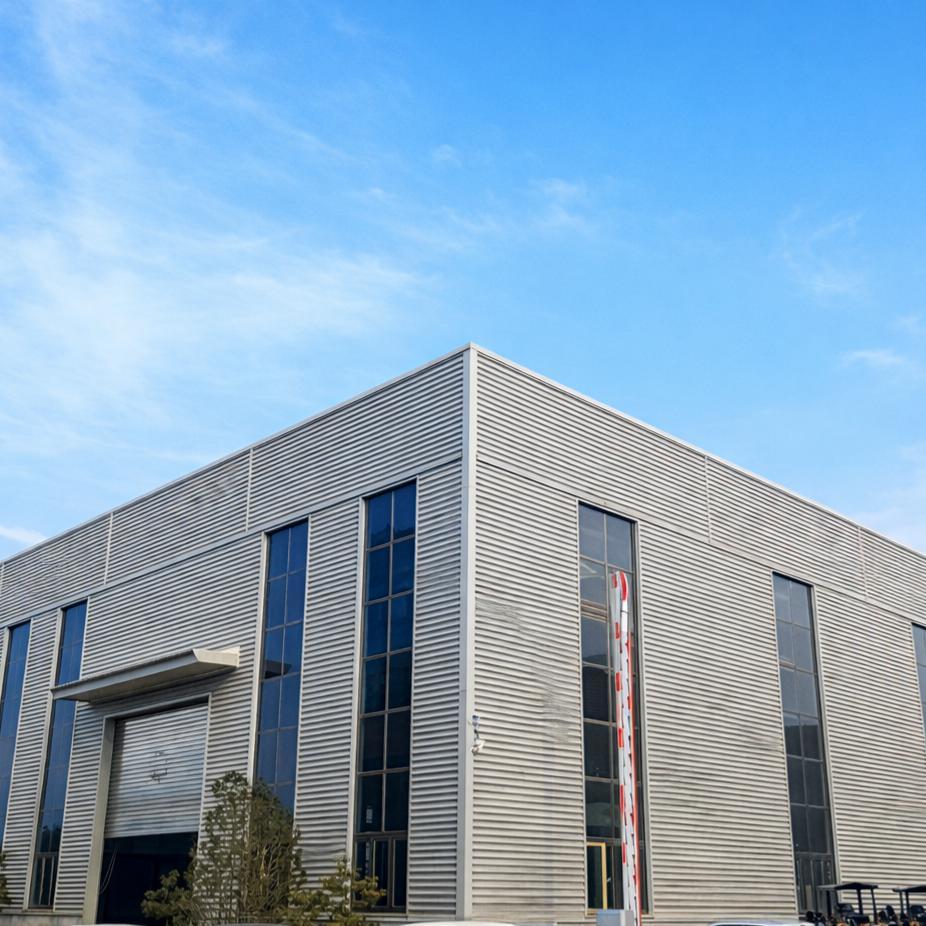
Source Factory
Direct engineering controls, guaranteed spare parts continuity.
Global Certification
Full compliance with CE, ISO, and global emissions frameworks.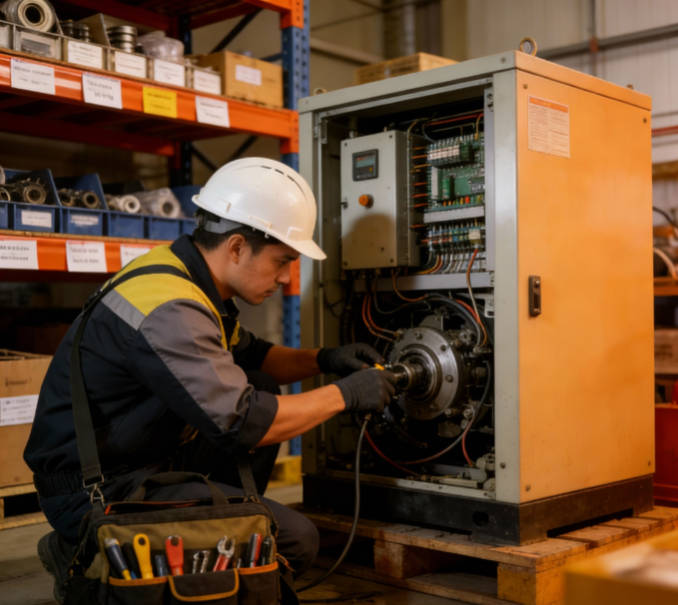
Customized System Configurations
Modular architecture enables rapid chassis modifications for forestry, heavy mining, and complex urban construction yards.How GLS LPG stackers perform across unique global working environments and industrial regulatory regimes.
In high-density North American logistics networks, forklifts must run continuously across 24 hours. The quick cylinder-exchange system of GLS LPG trucks means units remain on the warehouse floor instead of occupying charging bays, boosting dock throughput by up to 18%.
Freezer facilities severely degrade the runtime capacity of standard lithium-ion batteries. Our LPG systems maintain stable mechanical power down to -30°C. Coupled with low-emission catalytic mufflers, they operate safely inside enclosed food logistics bays.
Fitted with heavy-duty pneumatic tires and IP54 sealed wiring harnesses, our heavy industrial forklifts withstand high moisture, sand, and rain. The low-center-of-gravity design ensures safe travel over uneven gravel and dock ramps.
Direct technical answers from our engineering team to assist fleet managers in their procurement decisions.
Yes, LPG burns cleaner than diesel fuel. By utilizing high-precision vaporizers and closed-loop three-way catalytic converters, our units keep carbon monoxide (CO) emissions well within regulatory limits. Adequate warehouse cross-ventilation is still recommended for enclosed spaces.
We partner with premier global engine brands such as Yanmar, Mitsubishi, Toyota, and Cummins. This provides our users with reliable performance, high torque output at low RPMs, and straightforward access to maintenance parts via global distributor networks.
LPG machinery features a lower initial purchase price (CAPEX) compared to Lithium-ion electric trucks, and avoids the cost of heavy-duty battery chargers and grid upgrades. In multi-shift operations where grid limits restrict fast charging, LPG delivers superior long-term cost efficiency.
We manufacture Duplex, Triplex, and Triplex Full Free masts with lift heights ranging from 3.0 meters up to 6.0 meters. The "Full Free" configuration allows the forks to lift to a height without extending the outer mast channels, which is ideal for container loading and low-clearance warehouses.
Our manufacturing processes are ISO 9001 and ISO 14001 certified. Our entire export machine inventory is CE marked, satisfying all safety and operational directives required for import into Europe, Australia, and the Americas.
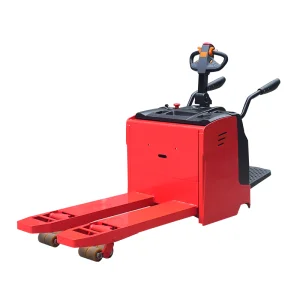
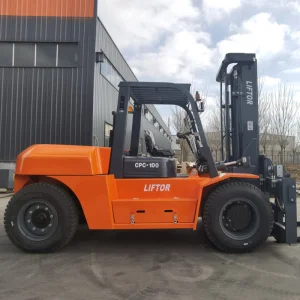
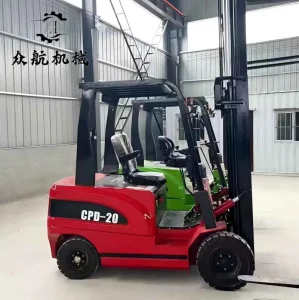
Explore our full catalog of walkie stackers, telehandlers, container handlers, and high-performance reach trucks.
 GLS Forklift