In the modern era of supply chain logistics, efficiency, uptime, and environmental stewardship are the cornerstones of successful warehouse operations. The globally integrated market requires material handling systems that operate seamlessly across multi-shift patterns without substantial downtime. While battery electrification (especially Lithium-ion technologies) has captured significant industry attention, Liquid Petroleum Gas (LPG) and dual-fuel internal combustion (IC) systems remain dominant pillars in the heavy-duty and mid-to-high-level order picking sectors globally.
Unlike pure electric systems which demand substantial infrastructure investment for charging bays and hours of down-time, LPG and dual-fuel configurations offer a continuous 24/7 duty cycle. The refueling process of an LPG cylinder takes less than five minutes, making it highly preferred for large-scale distribution centers, cross-docking facilities, and industrial manufacturing plants. Economically, LPG order pickers and dual-fuel forklifts occupy a critical operational niche: they merge the heavy-duty performance curves and multi-environment adaptability of IC engines with the low carbon emissions required for indoor warehouse operations.
"According to international logistics machinery market research, LPG and dual-fuel material handling configurations represent over 35% of the active fleet in global ports, heavy industrial complexes, and multi-shift distribution hubs. They provide a high-torque alternative where electrical grid capacities are constrained or where operators run continuous operations without charging infrastructure."
Geographically, the demand for LPG material handling equipment is shifting dynamically. In North America and Europe, stringent emission guidelines (such as the EPA Tier 4 Final and Euro Stage V regulations) have compelled manufacturers to implement closed-loop electronic fuel systems and advanced catalytic converters. In rapidly developing economies across South America, South Asia, and the Middle East, LPG remains the fuel of choice due to its high storage stability, ease of supply chain logistics, and resilience under extreme temperature variations, where batteries degrade rapidly.
Lower initial capital expenditure compared to high-capacity lithium fleets, combined with predictable long-term maintenance costs and minimal infrastructure overheads.
Eliminate battery charging degradation and multi-hour downtime. Swift 5-minute cylinder exchange guarantees non-stop productivity across multiple shifts.
Transition smoothly from sub-zero outdoor yards to indoor warehouse aisles without loss of power, speed, or structural handling capacity.
Headquartered in the industrially robust Anhui Province, China, Hefei GLS Forklift Co., Ltd. is a leading, specialized manufacturer and exporter of high-performance construction and material handling machinery. Over the past decade, we have honed our research, development, and production processes to create a robust and globally certified equipment catalog.
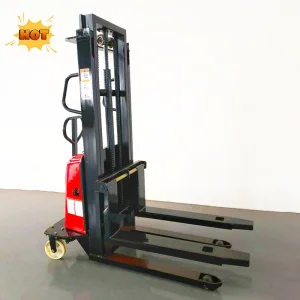
Our comprehensive fleet solutions include high-level electric order pickers, heavy-duty diesel forklifts (up to 10 Tons with Euro 5 compliance), automated guided vehicles (AGV), and LPG/Gasoline dual-fuel forklifts like our signature FL25. By blending mechanical integrity with intelligent software systems, we provide global enterprises with the exact tools needed to optimize their daily operations.
With certified conformity to CE and ISO standards, our modular designs allow for rapid adaptation to specific industry domains, including mining, heavy logistics, sub-zero cold chains, and tight-aisle retail distribution.
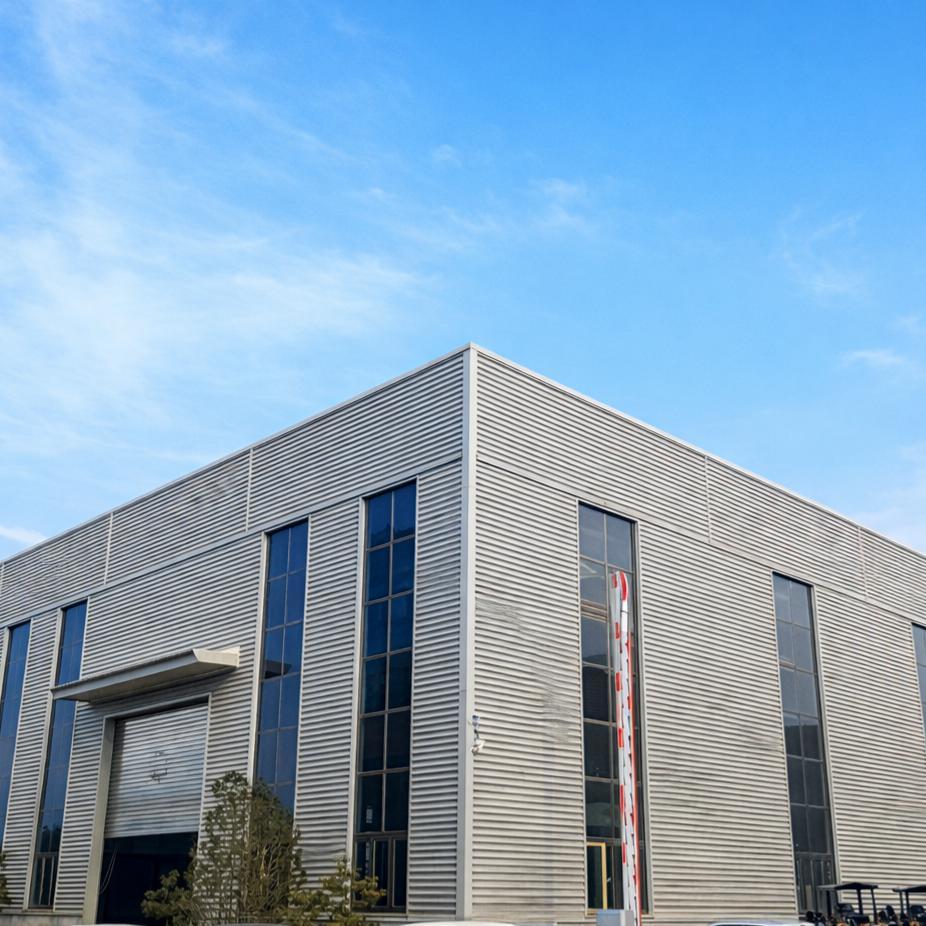
Source Factory

Global Certification
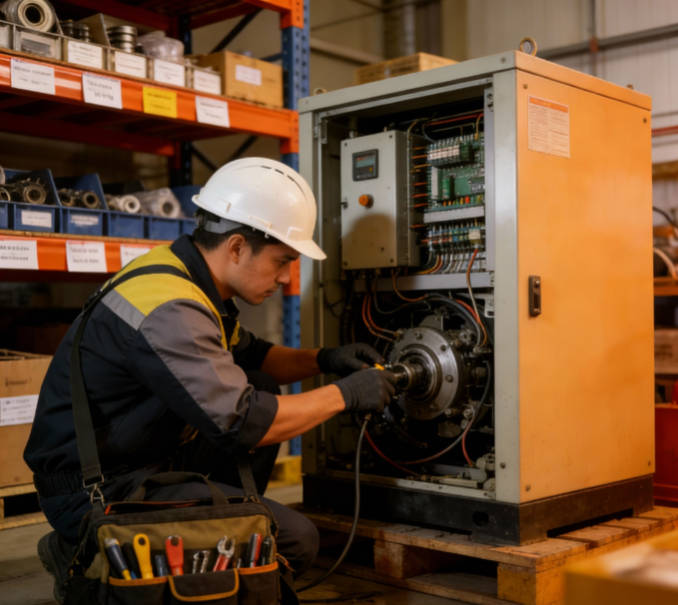
Customized Modular Solutions
The logistics equipment ecosystem is rapidly undergoing a technological convergence. The choice is no longer purely binary between dirty IC engines and clean, yet range-anxious electric equipment. The modern trend points towards highly efficient, low-emission dual-fuel systems (LPG/Gasoline) and smart electric pickers that fill specific slots in a warehouse's lifecycle.
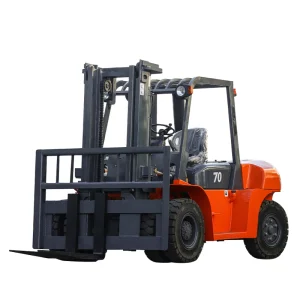
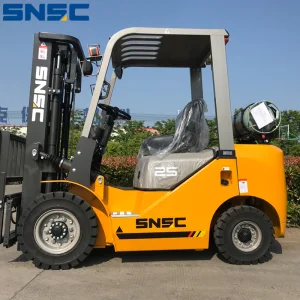
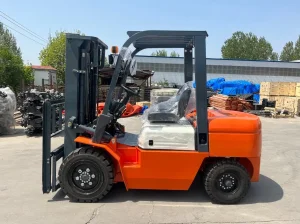
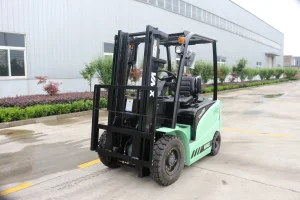
Dual-fuel forklift trucks, like the FL25 2.5 Ton Forklift, represent a hybrid path for operators. By using a dual-fuel system, operators can run on clean-burning Liquid Petroleum Gas indoors to protect worker safety and reduce ambient emissions. When LPG storage is temporarily unavailable or if the truck is operated in demanding open-air settings, the operator can switch to gasoline seamlessly. This ensures that fleet downtime is completely eliminated and supply chains remain flexible.
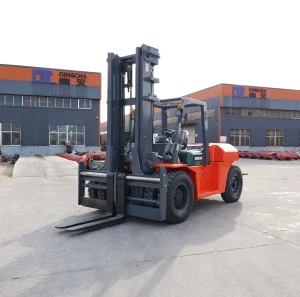
Our heavy-duty diesel and LPG models are built to satisfy the strictest international emissions laws. With the integration of EPA and Euro Stage V certified engines, GLS forklifts significantly decrease carbon monoxide (CO), hydrocarbons (HC), and nitrogen oxides (NOx). This makes them perfect for food distribution, pharmaceuticals, and manufacturing centers where indoor air quality must be strictly maintained.
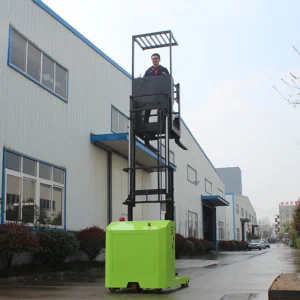
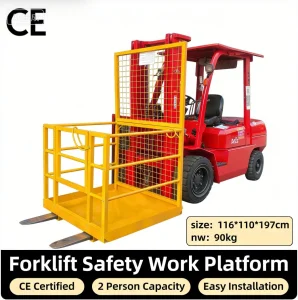
High-level picking requires stable masts and optimal safety structures. For warehousing solutions requiring high aerial access, utilizing certified attachments like the CE Certified Heavy Duty Anti-Slip Forklift Safety Cage ensures maximum protection during structural maintenance and manual order picking tasks. Furthermore, ergonomic controls, anti-slip textures, and digital load monitoring sensors enhance productivity while preventing costly operator errors.
Selecting the ideal powertrain configuration requires evaluating operating hours, environmental factors, initial budget, and maintenance capacities. The table below represents a strategic comparison matrix designed to help logistics managers choose between LPG, Electric, and heavy Diesel material handling equipment.
| Parameters | LPG / Dual Fuel System | Lithium-Ion / Electric | Heavy Duty Diesel |
|---|---|---|---|
| Refueling / Charging Time | < 5 Minutes (Cylinder Swap) | 1.5 - 3 Hours (Fast Charging) | < 10 Minutes (Diesel Pump) |
| Primary Environment | Indoor / Outdoor (All-weather) | Strictly Indoor / Semi-outdoor | Outdoor Rough Terrain / Port |
| Initial Investment Cost | Medium (Affordable Fleet Setup) | High (Battery & Charger Costs) | Medium-Low (Standard Engine) |
| Maintenance Requirements | Standard mechanical wear parts | Minimal (Brushless AC, Dry Battery) | High (Filters, oil, DPF systems) |
| Aisle Maneuverability | Excellent (Compact Counterbalance) | Superior (VNA Reach trucks/Pickers) | Restricted (Larger turning radius) |
| Lifespan & Durability | High (Sturdy mechanical blocks) | Medium-High (Battery cycle life) | Extreme (High-torque longevity) |
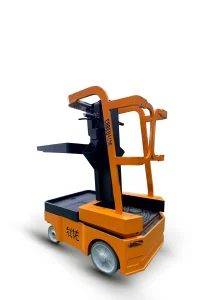
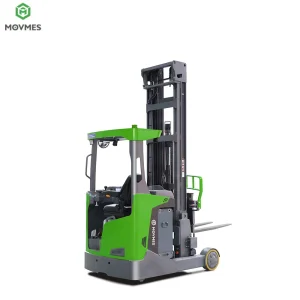
In fast-paced urban retail centers, high-level electric reach trucks and automated pickers (such as our 1.5 Ton 4.5m High Level Automated Order Picker) are essential. They allow operators to utilize vertical warehouse space fully. Narrow aisle (VNA) designs and high-capacity retractable forks enable companies to increase pallet density by up to 35% without expanding physical building square footage.
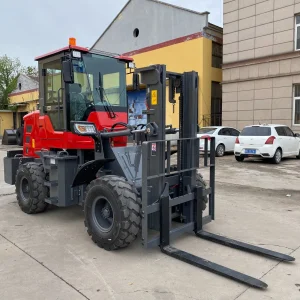
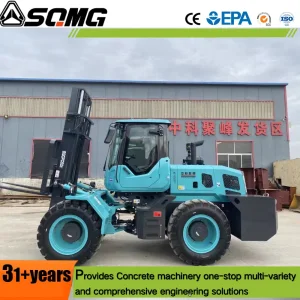
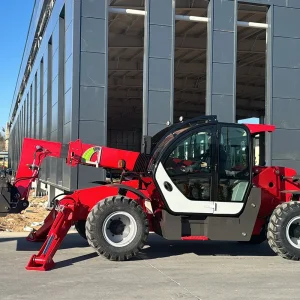
For industrial ports, construction supply sites, and lumber yards, standard warehouse equipment is insufficient. This is where 4-Wheel Drive Rough Terrain Forklifts and Telescopic Telehandlers excel. Engineered with high ground clearance, robust off-road tires, and heavy-duty diesel engines (certified for EPA/CE standards), these systems transport materials over muddy, unpaved surfaces without losing structural load stability.
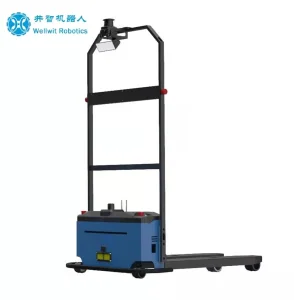
The future of picking lies in automation. Integrating Automated Guided Vehicles (AGV) into standard warehouse operations bridges the gap between human picking and full robotic fulfillment. With a loading capacity of 500kg, GLS AGVs follow pre-programmed digital maps, reducing human travel time by up to 60%, minimizing workplace accidents, and providing real-time inventory tracking metrics to backend warehouse management systems (WMS).
 GLS Forklift