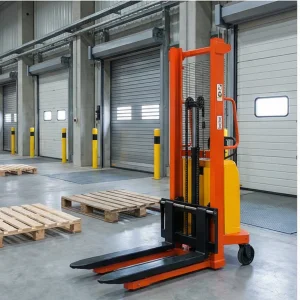
In the rapidly shifting landscape of global logistics, the demand for high-efficiency, zero-emission, and space-optimized material handling equipment has surpassed historical thresholds. As urban distribution centers undergo vertical scaling, warehouses demand material handling machinery that blends intelligence with extreme durability. The emergence of Custom OEM Electric Stackers sits at the intersection of this industrial transformation. Modern enterprises no longer seek off-the-shelf lifting apparatus; they demand application-specific, custom-engineered warehouse solutions that align with their distinct localized compliance guidelines and technological framework.
This whitepaper addresses the core technical parameters, global procurement scenarios, local compliance standards, and the engineering roadmaps that define top-tier custom OEM electric stackers. By analyzing structural configurations, electrical architectures, battery technology dynamics (such as Lithium-ion versus Lead-Acid), and safety control systems, we aim to equip supply chain directors, procurement managers, and plant engineers with the knowledge necessary to choose and design the ideal stacker platforms for their fleets.
The global logistics network operates in localized environments with distinct requirements. Across North America, the focus is centered heavily on structural durability, high load centers, and rigorous safety profiles, such as those set by ANSI and OSHA. European operators, operating within denser urban structures, prioritize ultra-narrow aisle (VNA) functionality, strict ergonomics, low acoustic signatures (<70 dB), and high-energy-efficiency lithium powerpacks to comply with stringent sustainability mandates. Meanwhile, emerging markets in Southeast Asia and Latin America seek rugged chassis designs capable of operating on irregular warehouse flooring or within facilities lacking climate control.
To address these varying needs, custom OEM manufacturers must offer modular platforms. Rather than redesigning structural components for every configuration, engineers utilize standard chassis bases, adapting elements like straddle widths, mast elevations, tiller configurations, and battery bays to align with the client’s operational footprint.
Custom builds feature heated display panels, low-viscosity hydraulic oil, rustproof galvanized steel, and sealed IP65 cabins, allowing continuous operation in temperatures down to -30°C.
Specialized space-saving chassis layouts, short tiller arm configurations, and multi-directional wheel layouts allow turns in aisles under 2.2 meters.
Dual-cylinder lift structures, reinforced straddle legs, and high-capacity AC motors allow lifting capacities up to 3.0 tons with excellent residual capacity.
The baseline engineering of modern electric stackers centers on three main subsystems: the drive unit, the lift hydraulics, and the electronic control system.
Safety systems are also central to modern stacker design. Dynamic speed control automatically slows the vehicle during tight turns based on the steering angle. Anti-rollback mechanisms prevent slipping on ramps, while integrated obstacle sensors and anti-collision bumpers on the tiller head protect operators during reverse travel.
Hefei GLS Forklift Co., Ltd. is a specialized manufacturer and exporter of high-performance construction machinery, headquartered in the Anhui province, China. Our engineering scope spans excavators, loaders, road rollers, forklifts, and small tracked vehicles. With over a decade of dedicated research, development, and manufacturing experience, we have established ourselves as a trusted partner in the global material handling equipment sector.
Operating as a direct source factory, we oversee every step of production, from cutting raw steel to final testing. Our modular assembly systems allow us to customize platforms to meet the needs of diverse applications, including warehousing, mining, forestry, and urban construction. Today, GLS machinery is exported to more than 100 countries and regions across North America, South America, Europe, Asia, and the Middle East.
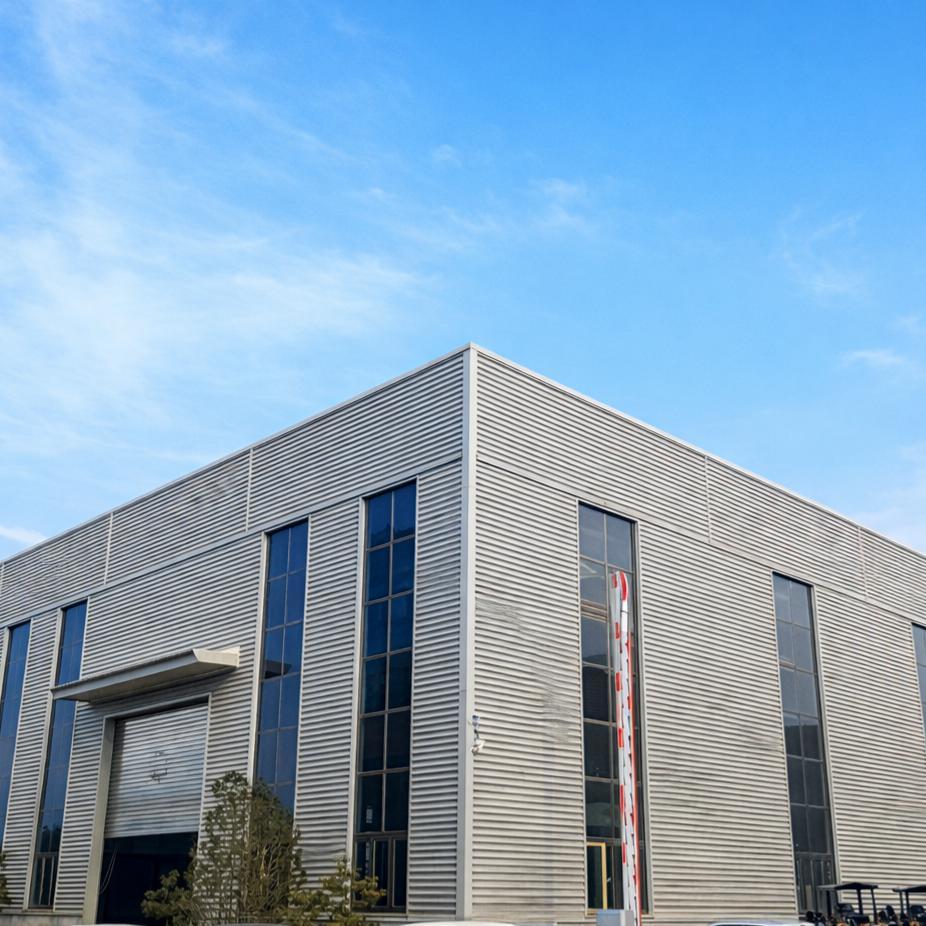
With over ten years of production and direct sales experience, we maintain full quality control across our supply chain, ensuring competitive pricing and reliable manufacturing.

Our entire lineup is engineered to meet key international certifications, including CE and ISO, ensuring smooth custom clearance and site compliance.
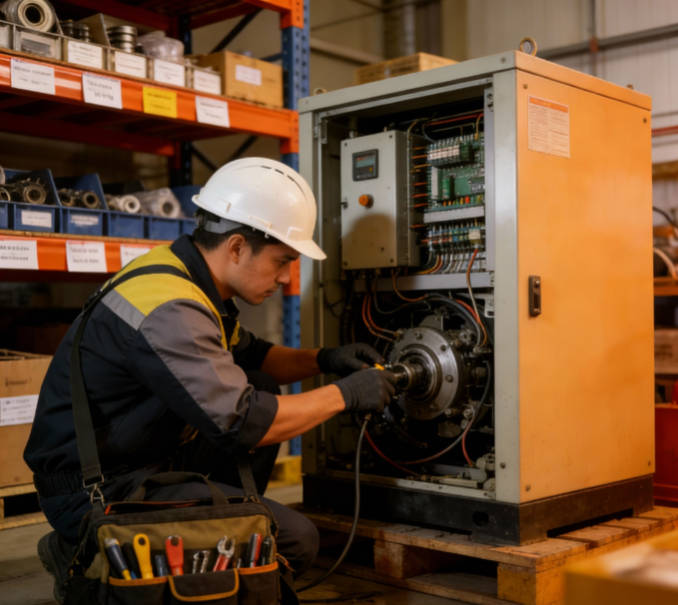
Our modular architecture allows us to adapt equipment for specific applications, including cold storage, narrow aisles, and chemical environments.
Deploying material handling equipment globally requires robust local support and compliance with regional safety codes. Hefei GLS Forklift Co., Ltd. coordinates with a network of certified distributors and service providers to supply replacement parts, technical support, and operator safety training.
Our customization process includes localized compliance validation. For example, stackers bound for North America undergo testing to meet ANSI/ITSDF B56.1 safety codes and UL electrical standards, while models destined for European markets comply with the Machinery Directive 2006/42/EC and EN ISO 3691-1 guidelines. We provide complete documentation, technical schematics, and load capacity charts with every unit to simplify inspection and onboarding processes.
We offer both traditional deep-cycle lead-acid batteries and modern Lithium Iron Phosphate (LiFePO4) power systems. LiFePO4 batteries are recommended for multi-shift operations due to their support for fast, opportunity charging and maintenance-free design. Lead-acid options are available for cost-sensitive, low-frequency applications.
The process begins with an analysis of your application requirements, including maximum load weights, ceiling clearances, aisle dimensions, and environment temperatures. Our engineering team designs the chassis, mast, and electrical profiles using CAD and Finite Element Method analysis. After your approval, we construct, test, and ship the unit, providing comprehensive documentation.
Lead times depend on the level of customization required. Standard modifications (such as custom fork widths or lengths) generally take between 30 to 45 days. More complex custom configurations, such as explosion-proof modifications or cold-storage packages, typically require 60 to 75 days, which includes structural testing and quality assurance checks.
We use major international standard components (such as ZAPI controllers, Curtis electrics, and standard hydraulic seals) to simplify local maintenance. We supply a spare parts starter package with large-volume shipments, and offer rapid shipping for specialized parts from our global distribution hubs.
 GLS Forklift