Engineered for High-Frequency Picking, Heavy Yard Stacking, and Dynamic Automated Warehouse Systems.
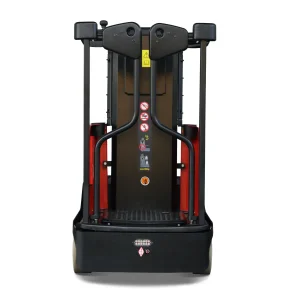
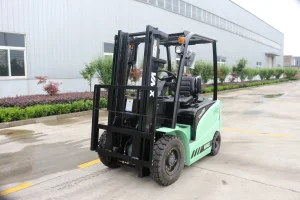
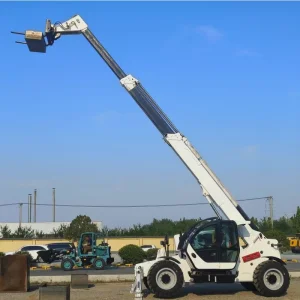
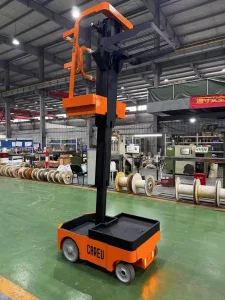
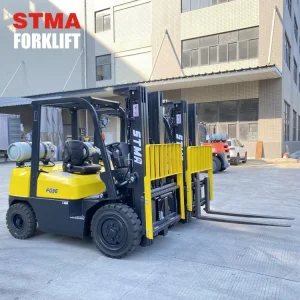
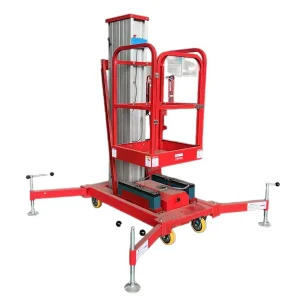
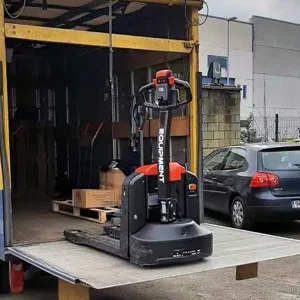
In modern industrial logistics, the efficiency of order picking dictates macro-level supply chain throughput. Traditionally, order pickers have been characterized as compact, light-duty electric machines engineered exclusively for indoor, smooth-floored warehouse corridors. However, as global storage strategies evolve toward ultra-dense, semi-outdoor operations, heavy-manufacturing yards, and all-terrain holding centers, standard electric architectures often hit operational limits. This has catalyzed the demand for robust, high-performance lifting platforms—ranging from internal combustion diesel systems to high-voltage, IP54-rated heavy electric forklifts—capable of performing complex lifting and retrieval operations in challenging environments.
Industries such as forestry, mining, steel processing, and heavy construction equipment manufacturing do not fit standard indoor warehousing profiles. They require machinery that bridges the gap between high-level order picking and all-terrain raw load movement. Modern diesel forklift systems and high-capacity telescopic handlers have emerged as vital tools in these environments. By offering high structural rigidity, superior torque profiles, and all-terrain suspension, they allow operators to retrieve components and manage heavy assembly picking out-of-doors under demanding weather conditions, eliminating the bottleneck of transferring goods from outdoor storage yards to indoor-only vehicles.
Reinforced mast construction with optimal torsional resistance ensures safe overhead operation even at maximum lifting heights under high load capacities.
Integration of imported clean-diesel engines and intelligent LPG units compliant with EU Stage V and US Tier 4 Final emission limits.
CAN-bus diagnostics, precision sensor arrays, and compatibility with AMR/AGV system protocols for smart fleet management.
The manufacturing sector is undergoing a profound transition toward sustainability and automated safety. Industrial machinery builders must follow strict engineering guidelines to design solutions that lower operational costs while exceeding emissions and safety regulations. The technological development of modern materials handling equipment is characterized by three core pillars:
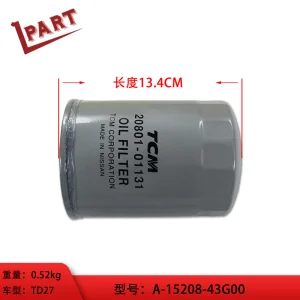
While diesel engines remain the standard for high-torque, long-cycle outdoor operations, the rise of hybrid diesel-electric systems and high-voltage lithium-ion alternatives is reshaping fleet dynamics. Engines like the TD27 are optimized with advanced filtration systems to minimize particulate emissions, ensuring that when heavy internal combustion forklifts operate near loading docks, they do not compromise regional air quality regulations. Furthermore, modular frame structures allow factories to swap engine assemblies with heavy-duty electric motor controllers, providing clean operational capabilities for indoor-outdoor cross-over logistics.
At high lift elevations, driver visibility decreases while the risk of mast deflection and sway increases. Leading-edge manufacturers integrate active stability control (ASC) systems. By utilizing multi-axis accelerometers, mast-mounted laser distance sensors, and drive-by-wire hydraulic controls, these systems automatically govern travel speed, mast acceleration, and tilt dynamics relative to payload weight and lift height. For autonomous and semi-autonomous platforms (AMRs/AGVs), lidar-based obstacle detection and SLAM mapping systems prevent collisions in highly dynamic environments.
Indoor warehouses are relatively controlled environments. In contrast, ports, yards, and mining sites expose machinery to persistent rain, mud, abrasive dust, and temperature swings. Modern components are developed with ingress protection ratings (such as IP54-rated traction motors and waterproof wiring harnesses). This protective engineering ensures that hydraulic valves, electrical connectors, and control units perform reliably over decades of duty cycles, lowering repair frequencies and preserving investment value.
The structural configurations and power systems of modern forklifts must match localized environmental constraints. Different global regions require specific setup designs to ensure regulatory compliance and peak performance:
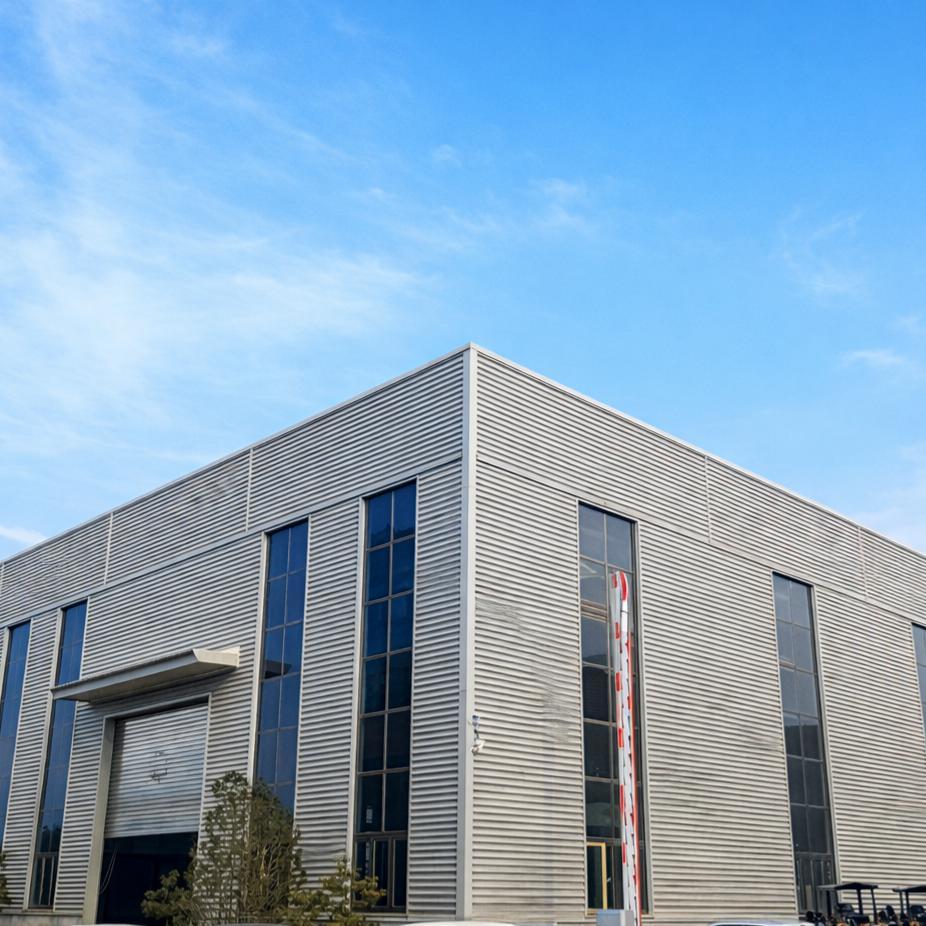
Hefei GLS Forklift Co., Ltd. is a specialized manufacturer and exporter of high-performance construction and material handling machinery, headquartered in Anhui Province, China—a hub for heavy equipment engineering. GLS products include excavators, loaders, road rollers, forklifts, and small tracked vehicles. With over a decade of R&D and production expertise, we have established ourselves as a trusted partner in the construction equipment industry.
Our source factory ensures that all production phases—from steel cutting and robotic welding to final load-testing—adhere to rigorous quality standards. Through innovative engineering, we design modular components that adapt easily to mining, forestry, and complex urban warehouse settings.
Our machinery has been exported to over 100 countries and regions across South America, Asia, Africa, Europe, and the Middle East. Holding CE and ISO certifications, GLS is dedicated to delivering durable engineering and reliable service to businesses worldwide.
Over a decade of manufacturing experience ensures certified build quality, clear supply chains, and competitive manufacturer pricing.
Fully compliant with international CE standards and ISO quality systems, making our units ready for high-compliance markets.
Modular chassis design allows rapid configuration changes for mining, forestry, cold storage, and heavy yard warehousing.
Detailed answers to help fleet managers choose, operate, and maintain heavy-duty material handling equipment.
Diesel and LPG systems are optimal for outdoor yards, all-terrain environments, and continuous multi-shift schedules where rapid refueling is required. Electric systems are preferred for indoor spaces due to zero-emission mandates, but high-voltage electric forklifts with IP54 ingress protection are increasingly replacing combustion engines in outdoor applications.
High-elevation masts use high-tensile alloy steel profiles and heavy-duty cross bracing to minimize mast deflection. Dual-cylinder hydraulic systems, proportional lowering valves, and active mast damping controllers help prevent swaying at full lift extension.
Standard diesel engines, such as the TD27, require engine oil and filter replacements every 250 to 500 operating hours. Fuel pre-filters and air intake elements need regular inspection, especially in high-dust applications like lumber yards or construction sites.
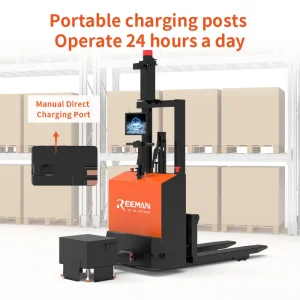
Yes, modern AMRs and autonomous forklifts use LiDAR, SLAM navigation, and 3D camera sensors to navigate warehouse environments, allowing them to load and unload from standard pallet racks without requiring floor wire guides or reflector targets.
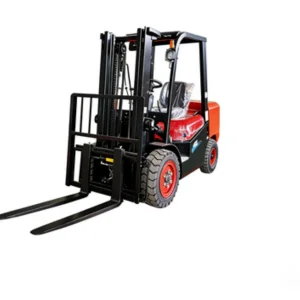
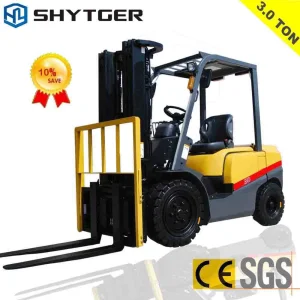
Complete your fleet with heavy-duty forklift units, smart AMRs, and specialist handling equipment.
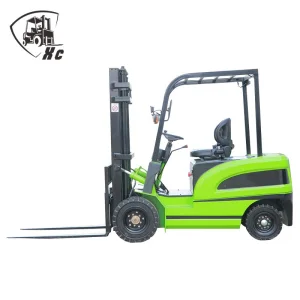
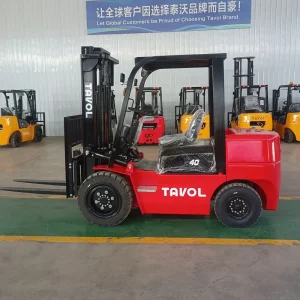
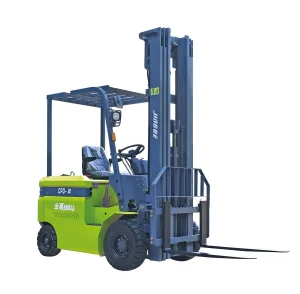
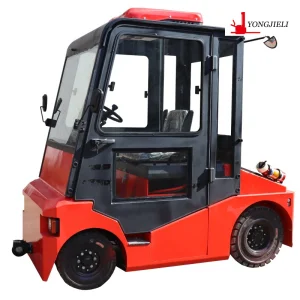
 GLS Forklift