Choosing the right forklift for your business is crucial. Many overlook this process and face difficulties later. Understanding how to choose the right forklift for your business can save you time and resources.
Consider your specific needs before making a decision. Think about the weight of the loads you handle. Also, look at the size of your workspace. A compact forklift may work better in tight spaces. You may even need an electric model for indoor use.
Many businesses regret rushing into this choice. They often end up with equipment that does not fit their needs. It's important to reflect on what you truly require. Evaluate your long-term goals, and make a informed choice. This will lead to better efficiency and productivity in the long run.
Understanding Your Business Needs for a Forklift
When selecting the right forklift, it's crucial to understand your business needs. Think about the specific tasks your forklift will perform. Will it lift heavy loads or navigate tight spaces? Assess the maximum weight and height you'll need. This information helps narrow down your options.
Consider the environment where the forklift will operate. Will it be indoors or outdoors? A warehouse may require different specifications than a construction site. For example, electric forklifts are quieter and better for indoor use. In contrast, diesel or gas forklifts might be necessary for outdoor tasks.
Reflect on safety features as well. Will the forklift have a clear view for the operator? Is there a sturdy design to prevent tipping? These concerns shouldn't be overlooked.
Also, contemplate the long-term costs. Maintenance and repairs can add up. Analyze if purchasing or leasing fits your budget better. Many businesses feel pressured to make quick decisions.
Take your time. Mistakes in forklift selection can lead to inefficiencies. Identify your needs clearly first, then explore options. Remember, a well-chosen forklift can boost productivity and safety.
Evaluating Different Types of Forklifts Available
When evaluating different types of forklifts for your business, it's essential to consider a few key factors. The market offers various options, including electric, diesel, and gas forklifts. According to industry reports, electric forklifts represent over 60% of sales in recent years due to their energy efficiency and lower operating costs.
Tip one: Assess your operational needs. Are you working indoors or outdoors? Electric models suit warehouse settings but might lack endurance for outdoor tasks. Meanwhile, diesel forklifts thrive in rugged environments but may produce emissions.
Tip two: Don’t overlook lift capacity. Smaller models can handle about 3,000 pounds, while larger ones can lift over 15,000 pounds. Understanding your load requirements is crucial. Misjudging capacity could lead to accidents or damaged inventory.
Be mindful of your workforce's training. A sophisticated forklift requires skilled operators. Unfortunately, inadequate training can lead to costly mistakes. Some reports suggest that almost 20% of workplace accidents involve improper forklift operation. Investing in training pays off in the long run. Your choices today impact safety and efficiency tomorrow.
Considerations for Forklift Size and Capacity
When selecting a forklift, size and capacity are critical factors. A mismatch can lead to safety issues or inefficiency. According to industry data, over 90% of forklift accidents involve improper load handling. Ensuring the right size and capacity can significantly reduce these risks.
Consider the weight and dimensions of your typical loads. Many reports suggest that forklifts should handle 20% more than your heaviest load. This creates a safety buffer. If you typically lift 5,000 pounds, look for a forklift with at least a 6,000-pound capacity.
In addition, examine your warehouse layout. Narrow aisles may require compact models. A study cited that up to 30% of warehouse space is underused due to oversized equipment. Choosing a forklift that fits your space can increase efficiency. Remember to factor in your operators’ skill levels as well. A more powerful forklift may not be ideal for inexperienced staff.
Tip: Always account for future growth. Purchasing a forklift that accommodates potential increases in load size or frequency can save costs over time. Adjusting to changing demands without compromising safety is vital for sustainable operations.
Assessing Safety Features and Compliance Standards
When choosing the right forklift for your business, safety features should be a top priority. Pay close attention to the visibility from the operator’s seat. Poor visibility can lead to accidents. Check for features like overhead guards and safety bells. These can prevent collisions. Also, consider the stability of the forklift. A stable forklift reduces the risk of tipping over.
Compliance with safety standards is crucial. Research local regulations that apply to forklifts in your area. Some features may be necessary to meet these standards. For example, an emergency stop button can be a lifesaver in a dangerous situation. Regular training for operators enhances safety as well. Even the best forklifts require skilled handling.
Evaluate the maintenance history of any used forklifts you're considering. A well-maintained forklift is often safer. Look at the inspection logs and see if they meet compliance standards. Taking shortcuts here could expose your business to liability. Be thorough and deliberate in your choices. Prioritize safety for your operators and your business.
Budgeting for Purchase, Maintenance, and Operating Costs
Choosing the right forklift for your business goes beyond just the initial purchase. Budgeting is essential and encompasses maintenance and operational costs. When considering your budget, think about the full lifecycle of the forklift. Purchase prices can vary significantly. Be wary of opting for the cheapest options; they may lead to higher costs later.
Maintenance is another important factor. Regular servicing can prevent expensive repairs down the line. Some forklifts may require specialized parts, making repairs pricier. Aim for models with accessible parts and service options. It's a balancing act: find a reliable forklift while managing the budget responsibly.
Operating costs also demand attention. Fuel efficiency plays a crucial role. Electric forklifts can reduce energy bills significantly. However, battery replacement can be expensive. Analyze your operation's needs. Measure how often you'll use the forklift and in what environment. Understanding these details helps in making a well-rounded decision. Be prepared to revisit your choices as needs change over time.
FAQS
: Identify specific tasks such as lifting loads and operating in tight spaces. Assess maximum weight and height requirements.
Evaluate whether the forklift will be used indoors or outdoors. Electric forklifts suit indoors; diesel or gas work better outdoors.
Look for clear visibility for the operator and a sturdy design to reduce tipping risks. Safety shouldn't be neglected.
Consider long-term costs, including maintenance and repairs. Take your time; rushing can lead to poor decisions.
Misjudging capacity can cause accidents or damage. Smaller forklifts lift around 3,000 pounds, while larger ones handle over 15,000 pounds.
Inadequate training leads to mistakes. Reports show nearly 20% of accidents involve improper operation. Invest in proper training.
Options include electric, diesel, and gas forklifts. Electric models are popular due to efficiency; diesel excels in rugged areas.
Understanding your environment helps in selecting the right forklift. Misalignment can lead to inefficiencies and higher costs.
Yes, a rushed choice can result in long-term issues. Reflect on your needs thoroughly before making a selection.
A well-chosen forklift enhances productivity and safety. Poor choices can harm your business operations and worker safety.
Conclusion
When considering how to choose the right forklift for your business, it is essential to first understand your specific operational needs. Assess the type of goods you handle, the layout of your workspace, and the frequency of forklift use. Once you have a clear picture of your requirements, evaluate the various types of forklifts available, such as electric, diesel, or LPG models, to find the most suitable option.
Additionally, consider the size and capacity of the forklift to ensure it can efficiently handle your loads. Safety features and compliance with industry standards should also be a priority during your selection process, as these factors greatly impact the well-being of your workforce. Finally, budget accordingly by accounting for the purchase price, maintenance, and operational costs to make an informed decision that aligns with your business strategy. Taking these steps will guide you in choosing the right forklift that best supports your operational efficiency and safety standards.
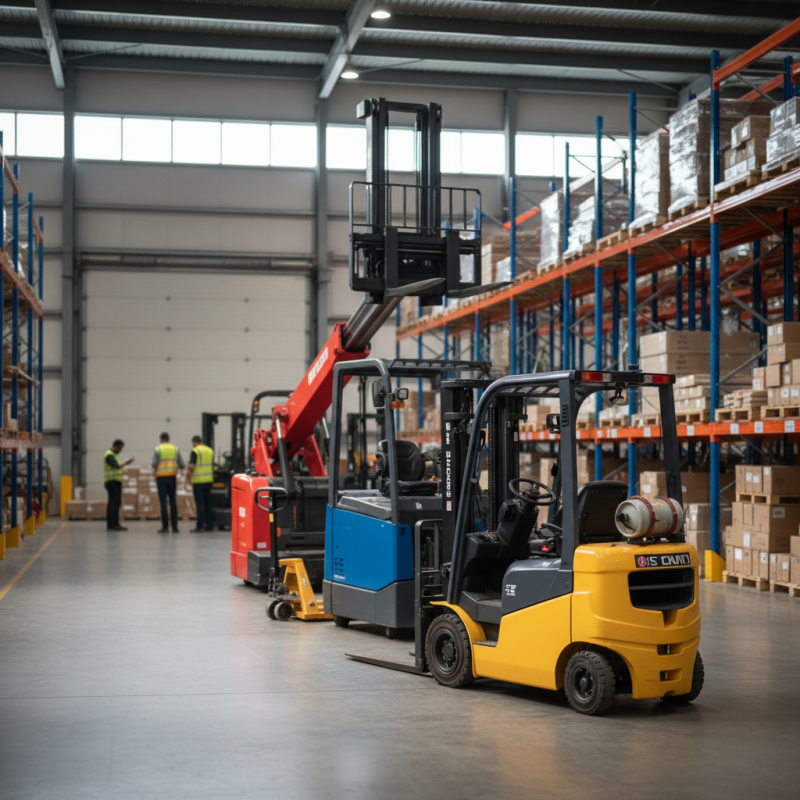

 GLS Forklift