Selecting the right industrial equipment is crucial for energy efficiency. Experts agree that making informed choices can lead to significant savings. Mark Thompson, a leading authority in industrial energy solutions, emphasizes, "Choosing the right equipment is not just about cost; it's about long-term efficiency."
Understanding how to choose energy efficient industrial equipment involves more than just price tags. It requires a deep dive into specifications, energy ratings, and performance history. Many businesses overlook these factors, focusing instead on initial investments. However, this approach can lead to higher operational costs later on.
When considering energy-efficient options, companies must evaluate their specific needs. What works for one industry may not fit another. Real-world examples highlight the importance of aligning equipment with operational goals. Embracing this strategy helps ensure a sustainable and cost-effective future.
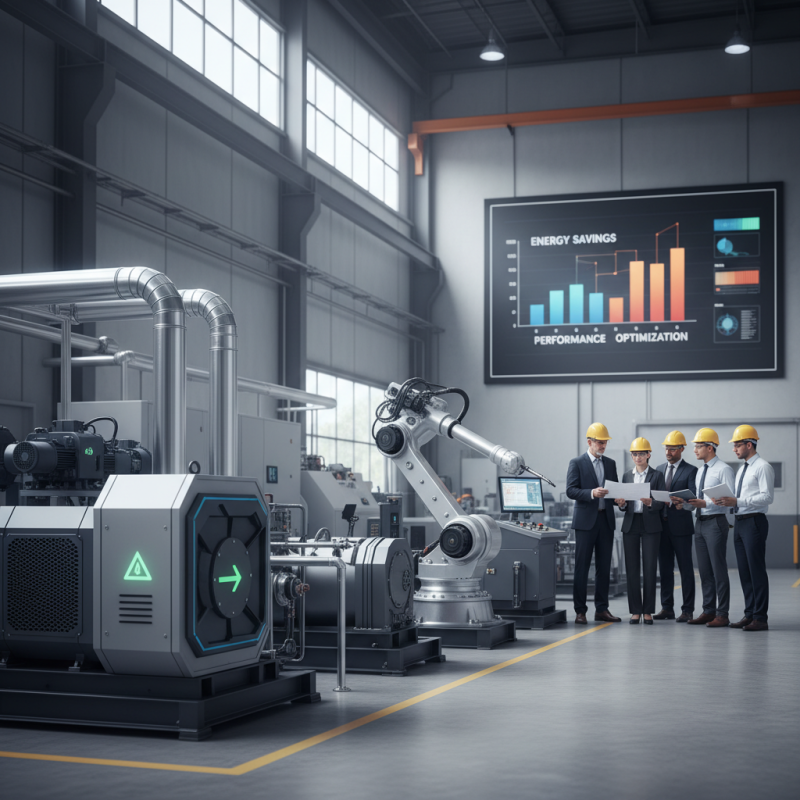
Understanding Energy Efficiency in Industrial Equipment
Energy efficiency in industrial equipment is crucial for modern businesses. It leads to lower operational costs and reduced environmental impact. Understanding the principles of energy efficiency can help in making informed decisions. Common metrics, like energy consumption per unit of production, offer insight into performance. Equipment should be evaluated based on efficiency ratings and operational lifespans.
Selecting the right industrial equipment requires careful consideration. Look beyond initial costs. Sometimes, cheaper options can lead to higher energy consumption over time. Focus on technologies that provide real-time energy monitoring. This feature aids in identifying energy wastage. Additionally, consider equipment that offers flexibility and adaptability to various production demands.
It's essential to rethink existing practices. Some industries may overlook the benefits of investing in energy-efficient solutions. However, the long-term savings can be significant. Engage with experts who can assess specific needs. Their insights can lead to smarter investment choices. Remember, the goal is not just to save on costs. It’s about fostering a sustainable future for all.
Key Factors Influencing Energy Consumption in Machinery
When selecting energy-efficient industrial equipment, several key factors can significantly influence energy consumption in machinery. One of these factors is the design of the equipment. Equipment that is not efficiently designed can lead to unnecessary power usage. For example, older models may use more energy to perform the same tasks as newer ones. Therefore, investing in newer designs can offer substantial energy savings.
Another important factor is the operating condition of the equipment. Regular maintenance can greatly reduce energy waste. Machinery that is not well-maintained can operate inefficiently, leading to increased energy consumption. For instance, worn-out parts or dirt accumulation can hinder performance. It’s also essential to consider the load conditions. Operating machinery under optimal loads can enhance efficiency and minimize energy use.
Additionally, a thorough understanding of energy ratings is crucial. Not all energy-efficient ratings are equal, and some may provide misleading information. It’s vital to analyze efficiency benchmarks relevant to specific industries. This requires expertise and careful evaluation. Keeping these factors in mind ensures that the choice of machinery enhances overall productivity while lowering energy costs.
Energy Consumption in Industrial Equipment
Evaluating the Lifecycle Costs of Industrial Equipment
When evaluating the lifecycle costs of industrial equipment, a thorough approach is essential. Lifecycle costs encompass all expenses associated with an asset, from initial acquisition to disposal. This includes not just the purchase price, but maintenance and operational costs as well. Companies can underestimate these expenses, leading to budget overruns and inefficient operations.
Energy efficiency plays a significant role in these lifecycle costs. It is crucial to analyze how much energy the equipment consumes over time. Investing in energy-efficient models often means higher upfront costs. However, these expenses can lead to significant savings in utility bills. Over several years, the savings can outweigh the initial investment.
It’s also important to consider potential downtime during maintenance. Equipment that requires frequent repairs can disrupt operations and lead to lost revenue. Reflecting on the equipment’s reliability and longevity should influence decision-making. Sometimes, buyers prioritize short-term savings, forgetting the bigger picture. This can lead to regrettable choices in the long run. Taking time to evaluate these aspects can lead to more informed and beneficial decisions.
Identifying Energy Star Ratings and Certifications
When selecting energy-efficient industrial equipment, understanding Energy Star ratings and certifications is crucial. These labels indicate that a product meets strict energy efficiency guidelines. By prioritizing equipment with these certifications, businesses can significantly reduce operating costs while contributing to environmental sustainability.
Evaluating Energy Star ratings requires attention to detail. Look for labels that specify energy consumption and operating efficiency. Often, manufacturers provide comparative data that can be helpful. However, not all products may have these certifications, leading to confusion. It’s essential to research alternatives, which can sometimes reveal better options.
Also, certifications like LEED and others can provide insights into efficiency. They indicate adherence to industry best practices. Relying solely on these labels isn't enough; understanding their implications takes experience. While Energy Star is a reliable standard, exploring other certifications can lead to enhanced decision-making. Striving for efficiency often uncovers gaps in knowledge, prompting further research and reflection.
Implementing Smart Technology for Enhanced Efficiency
Implementing smart technology in industrial settings can dramatically enhance energy efficiency.
Integrating sensors and automation systems allows for real-time monitoring of equipment performance.
These technologies can identify inefficiencies, like excessive energy consumption in machinery.
When systems detect anomalies, they send alerts, prompting quick adjustments.
Data analytics tools can optimize operational outcomes. They analyze patterns in energy use, helping operators make informed decisions.
Autonomous systems can adjust processes automatically based on this analysis.
For instance, smart HVAC systems can adapt to changes in environmental conditions, maintaining comfort while minimizing energy usage.
However, transitioning to smart technology isn't without challenges.
Companies may face integration issues with legacy systems.
Additionally, there can be a learning curve for employees.
Investment in training is essential to maximize the benefits of these technologies.
It is crucial to engage teams in this transition, encouraging a culture of continuous improvement.
FAQS
: Energy Star ratings indicate products meet strict energy efficiency guidelines. They help consumers choose energy-efficient options.
Prioritizing Energy Star equipment reduces operating costs. It also contributes to environmental sustainability, helping our planet.
Look for specific labels on products. Check energy consumption and operating efficiency details for accurate assessments.
Research alternatives that may offer better efficiency. Not all products have certifications, but better options exist.
Certifications like LEED provide insights into energy efficiency. They indicate adherence to industry best practices and standards.
Yes, smart technology enhances efficiency by allowing real-time monitoring of equipment performance and energy use.
Companies may face integration issues with old systems. Training employees is vital to overcome learning curves.
They analyze energy use patterns, aiding informed decision-making. This leads to optimized operational outcomes.
Autonomous systems adjust processes automatically, improving efficiency. They respond to changes in energy use seamlessly.
Engaging teams fosters a culture of continuous improvement. It encourages collaboration and helps maximize technology benefits.
Conclusion
In "2026 Top Tips for Choosing Energy Efficient Industrial Equipment," the focus is on how to choose energy efficient industrial equipment by understanding key principles of energy efficiency. The article outlines the primary factors that influence energy consumption in machinery, such as technology, operational habits, and equipment design. It emphasizes the importance of evaluating lifecycle costs, which helps businesses make informed decisions that account for long-term savings rather than just initial investments.
Moreover, identifying Energy Star ratings and certifications is crucial for ensuring that selected equipment meets established energy efficiency standards. The integration of smart technology is also discussed, highlighting its role in optimizing energy use and enhancing operational efficiency. By following these guidelines, businesses can significantly reduce their energy consumption and contribute to a more sustainable industrial landscape.

 GLS Forklift