In today's fast-paced logistics environment, knowing "How To Optimize Warehouse Operations With Forklifts" is crucial. Efficient warehouse operations can significantly impact productivity and profitability. Forklifts serve as essential tools in this optimization process. They streamline the handling of goods and enhance workload management.
Implementing effective strategies can lead to smoother workflows. However, many warehouses still face challenges. Inefficient forklift usage can result in delays and increased costs. Understanding proper training, maintenance, and layout adjustments is vital for maximizing forklift efficiency.
Real-world cases show that even minor changes can yield substantial improvements. For instance, staggering shifts or optimizing load sizes can make a difference. Every warehouse is unique, demanding tailored approaches. Reflection on existing practices can open doors to new efficiencies.
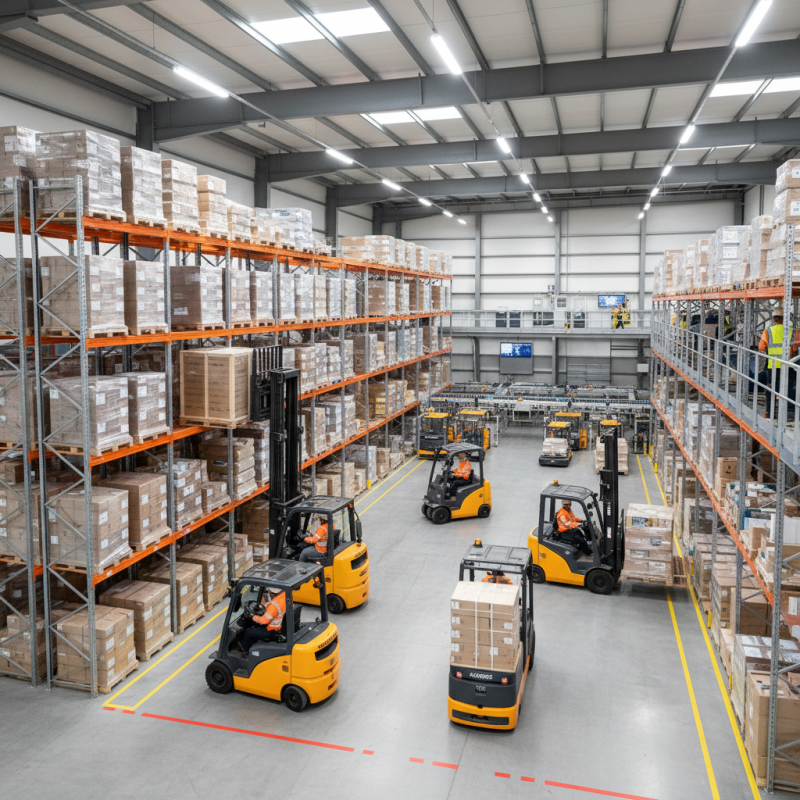
Forklifts play a crucial role in warehouse operations. They facilitate the efficient movement of goods, making it easier to manage inventory. Understanding their importance is key to optimizing warehouse processes. Effective forklift utilization can lead to significant improvements in productivity.
Investing in operator training is essential. Properly trained staff can handle forklifts safely and efficiently. This reduces the risk of accidents and improves workflow. Regular maintenance of forklifts is also vital. Well-maintained equipment minimizes downtime and ensures safety.
Utilizing technology can enhance forklift operations. Implementing tracking systems helps optimize routes. Efficient routing reduces travel time. Additionally, consider the layout of the warehouse. A well-organized space can further streamline operations. Keeping aisles clear allows for smooth movement. Each of these tips contributes to a more effective warehouse environment.
Assessing the warehouse layout is crucial for optimizing forklift usage. An efficient layout minimizes travel time and enhances productivity. Start by mapping out the space. Identify high-traffic zones and areas requiring frequent access. Each aisle should be wide enough for safe forklift navigation. Discuss with your team about any bottlenecks they face. Their insights can reveal hidden issues.
Consider the location of inventory. Place frequently accessed items closer to shipping areas. This setup reduces unnecessary forklift trips. Use clear signage to guide operators through the layout. Visual cues help reduce confusion, leading to safer operations. Periodically review the layout for improvements. As the warehouse evolves, so should its design. Listening to feedback is essential for ongoing optimization.
Implementing safety training for forklift operators is crucial in any warehouse setting. Each operator must grasp the fundamentals of safe operation. The training should cover load handling techniques, visibility awareness, and proper signaling. Real-world scenarios can improve understanding and retention. Encouraging operators to observe best practices is essential for reducing accidents.
Beyond basic training, continuous education is necessary. Conducting regular refresher courses keeps safety at the forefront. These sessions can highlight common mistakes operators may overlook. For instance, forgetting to lower forks when not in use can lead to injuries or equipment damage.
In addition, creating an environment of open communication is beneficial. Encourage operators to voice concerns and share experiences. This dialogue fosters a culture of safety where everyone feels responsible. However, it's important to assess the effectiveness of training regularly. Gathering feedback helps identify gaps in knowledge. Adjusting training content based on these insights ensures that operators are well-prepared to handle their responsibilities safely.
Effective forklift management plays a vital role in optimizing warehouse operations. Technology has become essential in enhancing this management process. Utilizing fleet management software can provide real-time data about forklift usage. It helps track maintenance schedules, which reduces downtime. By monitoring performance, warehouses can identify which forklifts are underutilized or require servicing.
Integrating IoT devices into forklifts offers further advantages. Sensors can track location, speed, and load weight. This information aids in making informed decisions. It also allows for improved safety measures. However, adopting technology can be overwhelming. Staff may need training to adapt successfully. Resistance to change is common in some teams, leading to implementation delays.
Data analytics plays a critical role too. Analyzing trends can uncover inefficiencies in operations. For instance, recognizing peak usage times can help in planning shifts. In contrast, ignoring data can lead to missed opportunities for improvement. Balancing technology with human insight is key. Relying solely on automation may overlook unique warehouse challenges. Each facility has distinct needs that require personalized strategies. Consideration of both technology and human factors is crucial for successful forklift management.
| Tip # | Description | Benefits | Technology Used |
|---|---|---|---|
| 1 | Implement Regular Maintenance Schedules | Reduces downtime and prolongs equipment life | Maintenance Management Software |
| 2 | Use Forklift Telemetry Systems | Real-time data monitoring for efficiency | Telematics Software |
| 3 | Train Operators Regularly | Increases safety and reduces accidents | Training Management Systems |
| 4 | Optimize Warehouse Layout | Enhances movement and reduces travel time | Warehouse Management Systems (WMS) |
| 5 | Integrate Forklift and Inventory Management | Improves accuracy and inventory visibility | Inventory Management Software |
| 6 | Utilize Automated Forklift Systems | Reduces labor costs and increases consistency | Automated Guided Vehicle (AGV) Software |
| 7 | Implement Load Optimization Techniques | Maximizes load efficiency and reduces waste | Load Optimization Software |
| 8 | Use Forklift Safety Features | Enhances operator safety and compliance | Safety Management Systems |
| 9 | Track and Analyze Performance Data | Identifies areas for improvement and efficiency | Business Intelligence Tools |
| 10 | Engage in Sustainable Practices | Reduces carbon footprint and operational costs | Sustainability Management Software |
Regular maintenance of forklifts is essential for ensuring operational efficiency. A well-maintained forklift can operate smoothly, reducing downtime. Keeping track of maintenance schedules is crucial. Operators should regularly check tire conditions, as worn tires can affect lift performance and safety.
Daily inspections are important. Check fluid levels, brakes, and lights. Minor issues can develop into costly repairs if ignored. Regularly servicing the equipment can extend its lifespan. Procedures like lubrication and battery care are key elements. Training operators on basic maintenance practices can foster a culture of responsibility and awareness.
Implementing a maintenance checklist is practical. Use it to document repairs and inspections. However, some might overlook this practice, leading to operational hiccups. Consistent maintenance habits can prevent unexpected breakdowns. Lastly, assessing forklift performance against industry benchmarks can highlight areas for improvement. Regular maintenance not only prolongs a forklift's life but also contributes to a safer working environment.
: Forklifts aid in moving goods efficiently, improving inventory management. They enhance productivity in warehouses.
Trained operators handle forklifts safely. This reduces accidents and improves workflow, making operations more efficient.
Well-maintained forklifts minimize downtime. Regular checks ensure safety and functionality, leading to smoother operations.
Implementing tracking systems can enhance routing. Efficient routes mean less travel time, improving overall efficiency.
Mapping the space helps identify high-traffic areas. Adjusting widths and access points can significantly improve productivity.
Clear signage guides operators effectively. Visual cues minimize confusion and promote safer movement of forklifts.
Placing frequently accessed items near shipping areas reduces unnecessary trips. This setup optimizes forklift usage.
Team insights can identify bottlenecks and hidden issues. Listening to operators promotes ongoing improvements in layout.
Regular reviews are vital as warehouse needs evolve. Adjusting the design keeps operations efficient and responsive.
Narrow aisles can cause congestion. Frequent access points may be overlooked, leading to inefficiencies in forklift operations.
In the quest to enhance efficiency in warehouse settings, understanding how to optimize warehouse operations with forklifts is essential. Forklifts play a pivotal role in streamlining the movement of goods, thus a careful assessment of the warehouse layout is necessary to facilitate their optimal usage. Additionally, implementing comprehensive safety training for operators ensures that the operations remain safe and efficient, minimizing the risk of accidents.
Moreover, utilizing technology can significantly improve forklift management, allowing for better tracking and deployment of equipment. To maintain the performance and longevity of forklifts, regular maintenance practices must be established. By focusing on these key areas, warehouses can effectively leverage forklifts to achieve improved operational performance and productivity.

GLS Forklift