What Are the Latest Forklift Technology Trends for the 2026 Canton Fair?

Time:2026-03-27 Author:Amelia
0%

As we approach the 2026 Canton Fair, the spotlight shifts to "What Are The Latest Trends In Forklift Technology." Innovative developments are transforming how warehouse operations function. Forklifts are now equipped with advanced features, enhancing productivity and safety.

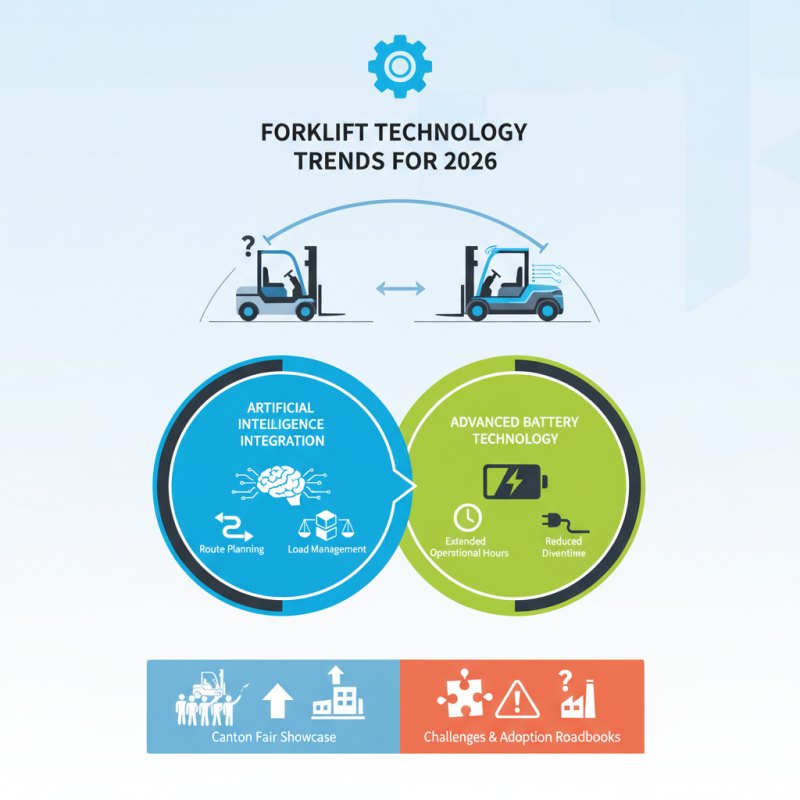
One key trend is the integration of artificial intelligence. AI-driven systems optimize load management and route planning. This change allows operators to handle tasks with greater accuracy while minimizing human error. Additionally, battery technology is evolving. New energy-efficient solutions extend operational hours and reduce downtime.

The 2026 Canton Fair will showcase these advancements. Companies will demonstrate how smarter forklifts impact logistics. However, challenges remain. Adoption rates vary across industries. Some businesses struggle to keep up with these rapid changes. Recognizing the roadblocks is essential for future growth.
What Are the Latest Forklift Technology Trends for the 2026 Canton Fair?

Latest Innovations in Forklift Technology for 2026 Canton Fair

As the 2026 Canton Fair approaches, innovations in forklift technology are at the forefront. The newest models promise enhanced efficiency and safety. Electric forklifts are becoming more popular. They offer lower emissions and quieter operations. The latest battery technology allows for longer usage without frequent recharging.

Automation is also a crucial trend. Many forklifts now feature advanced robotics. This technology can improve precision in load handling. However, it requires skilled operators to manage these machines effectively. Transitioning to automation isn’t without challenges. Operators may need additional training, and some might struggle to adapt.

Tips: When considering new forklift models, focus on durability and ease of use. Look for features that enhance visibility and safety. Also, consider the training requirements for your staff. Investing in training now can prevent issues later. Improved technology can lead to unexpected problems. Rethink your strategies regularly to ensure optimal performance. Flexible solutions will help your business thrive.

Latest Innovations in Forklift Technology for 2026 Canton Fair

Impact of Automation on Forklift Operations and Efficiency

Automation is transforming forklift operations significantly. Smart technologies are becoming standard for many companies. These advancements improve efficiency and safety on the warehouse floor. Forklift operators are now assisted by intelligent systems that guide them in real time. This minimizes human error and maximizes productivity.

Tips: Consider training staff on new automated systems. Familiarity will help them adapt quickly. Encourage teamwork between operators and technology for smoother operations.

Despite these benefits, challenges persist. Not every worker may embrace automation easily. Some operators might resist changes brought by new technologies. Continuous feedback is essential. Companies should maintain open lines of communication. This helps workers feel involved in the transition process.

Tips: Regularly evaluate employee comfort levels with technology. Encourage sharing of concerns or suggestions. This approach can lead to better integration of new systems.

Sustainability Trends in Forklift Design and Usage

The forklift industry is witnessing a transformative shift towards sustainability. As environmental concerns rise, logistics companies are looking for greener equipment. A recent report indicates that 70% of companies prioritize eco-friendly designs in their procurement processes. Modern forklifts are increasingly using electric motors and energy-efficient technologies. This transition not only reduces emissions but also cuts operational costs.


Battery technology advancements are key. Lithium-ion batteries are now common. They charge faster and last longer than traditional options. An analysis found that using these batteries can improve productivity by up to 30%. However, challenges remain. Not all facilities are equipped for charging infrastructure. Upgrading facilities can be expensive and complex.


Recycling programs for materials used in forklift production are also gaining traction. Some manufacturers are exploring the use of recycled plastics in their designs. This approach can lower waste and promote a circular economy. Yet, achieving a balance between cost and sustainability is not straightforward. Companies often struggle to find suppliers who comply with eco-friendly standards. The path to true sustainability in the forklift industry requires ongoing commitment and innovation.

The Role of IoT in Enhancing Forklift Fleet Management

The integration of IoT technology is transforming forklift fleet management. Real-time data collection allows operators to monitor equipment performance. Sensors on forklifts can track everything from battery life to load weight. This data helps in efficient resource allocation and reduces downtime.


Many companies struggle with fleet optimization. They often overlook regular maintenance schedules, leading to unexpected breakdowns. IoT can send alerts for routine check-ups, preventing costly disruptions. Operators can adjust based on real-time conditions.


Tips: Consider implementing a dashboard for visual data tracking. Train staff to interpret the data effectively. Regularly review your fleet's performance metrics to identify improvement areas. Embracing IoT can lead to significant cost savings and increased efficiency.

Safety Enhancements in Modern Forklift Technologies

Modern forklift technologies are evolving, with a strong focus on safety enhancements. These advancements aim to reduce workplace accidents and improve overall efficiency. Lifting sensors are one of the notable innovations in this area. They detect irregularities in load distribution, alerting operators if the weight is uneven. This feature prevents tipping and gives greater control during operations.

Moreover, new design principles prioritize visibility. Forklifts are now being designed with wider windows and lower profiles. This helps operators see their surroundings better. Enhanced lighting systems also contribute to safety. Bright LED lights improve visibility during night shifts. However, the implementation of these technologies isn't without challenges. Some operators may require additional training to adapt to these new features.

Another significant trend is the integration of AI and automation. AI systems monitor the environment for potential hazards. They can even suggest safer routes for forklift operations. While these technologies promise greater safety, there can be reliance issues. Operators might become overly dependent on automation. A balance must be maintained to ensure human judgment remains vital in active environments.

What Are the Latest Forklift Technology Trends for the 2026 Canton Fair? - Safety Enhancements in Modern Forklift Technologies

Technology Feature Description Benefits
Autonomous Driving Forklifts equipped with navigation systems that allow autonomous operation. Reduces human error, increases efficiency, and enhances safety.
Collision Detection Systems Sensors that can detect nearby obstacles and prevent collisions. Enhances workplace safety and minimizes damage to goods and infrastructure.
Telematics Real-time data tracking for fleet management and maintenance. Improves operational efficiency and reduces downtime through predictive maintenance.
Enhanced Ergonomics Design improvements focusing on operator comfort and usability. Reduces operator fatigue and enhances productivity.
Battery Innovations Advanced battery technologies for longer operational life and faster charging. Increases uptime, reduces costs, and supports sustainable operations.

FAQS

: What are the latest trends in forklift technology?

: The latest trends include electric forklifts, advanced robotics, and enhanced safety features.

Why are electric forklifts gaining popularity?

They offer lower emissions and quieter operations, making them more environmentally friendly.

What is a significant feature of modern forklifts?

Many now include lifting sensors to detect load distribution irregularities.

How do improved designs enhance safety?

Forklifts have wider windows and lower profiles, improving visibility for operators.

What training challenges might arise with new technology?

Operators may need additional training to adapt to automation and new safety features.

What role does AI play in forklift operations?

AI monitors the environment and suggests safer routes, improving overall safety.

What should companies consider when choosing a forklift model?

Focus on durability, ease of use, and staff training requirements for optimal performance.

How can unexpected problems arise from new technology?

While enhancing efficiency, new tech can create unforeseen issues that require regular strategy rethinking.

Why is operator training important with new forklifts?

Investing in training helps avoid potential issues and ensures safer, more efficient operations.

What is a potential drawback of relying on automation?

Operators may become overly dependent on machines, risking human judgment in critical situations.

Conclusion

The article titled "What Are the Latest Forklift Technology Trends for the 2026 Canton Fair?" explores the forefront of innovations shaping the forklift industry. It highlights significant advancements in forklift technology, such as automation that enhances operational efficiency and reduces the need for manual labor. Additionally, the growing emphasis on sustainability is reflected in modern forklift design and usage, making them more eco-friendly.

Another key focus is the role of the Internet of Things (IoT) in optimizing forklift fleet management, allowing for real-time monitoring and improved maintenance strategies. Safety enhancements in contemporary forklift technologies are also discussed, ensuring higher standards for operator and workplace safety. Collectively, these trends illustrate the dynamic evolution of forklift technology and its alignment with future demands in logistics and warehousing.

Amelia

Amelia

Amelia is a seasoned marketing professional with a wealth of expertise in our company’s core offerings. With an unwavering passion for driving growth and innovation, she plays a pivotal role in shaping our marketing strategies and enhancing brand visibility. A key aspect of her responsibilities......