What Are The Key Factors In Forklift Selection is a practical question for Chinese warehouses, factories, ports, and distribution centers. The right truck must fit the work, not just the purchase budget. A narrow aisle in a Suzhou warehouse may favor a compact electric model, while a busy outdoor yard may demand stronger tires and weather protection. Small details matter.
Start with the load. Check its weight, dimensions, and center of gravity, then compare them with the truck’s rated capacity at the required lift height. A pallet that seems light can become unsafe when raised high or carried with an attachment. Measure aisle width, turning space, dock height, floor condition, and daily travel distance. Then consider power source, charging access, shift length, service support, parts availability, operator visibility, and expected maintenance costs. There is no perfect truck.
China’s operating conditions vary widely. A facility with reliable indoor charging and low noise requirements may benefit from an electric forklift. A site with rough outdoor surfaces or long shifts may need another configuration. Test the shortlisted model with representative loads where possible. A showroom demonstration is useful, but it cannot reproduce every tight turn, uneven floor, or peak-hour delay.
A named expert’s quotation should be verified against a reliable source before publication. No source was provided here, so attributing invented words to an industry specialist would undermine trust. That gap deserves attention. A sound selection process combines measured site conditions, operator feedback, transparent cost comparisons, and a careful review of the manufacturer’s specifications.
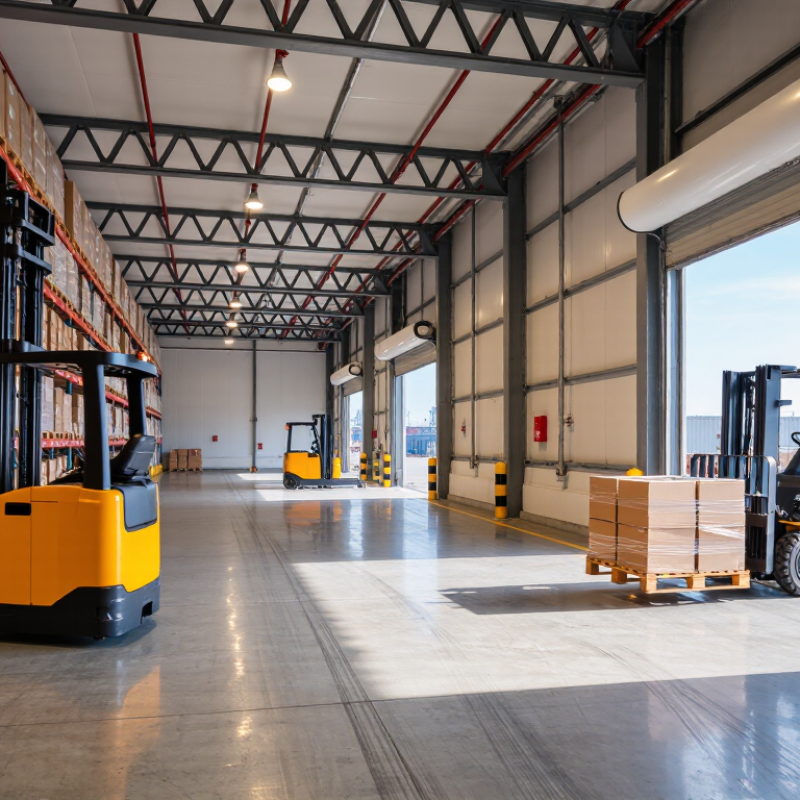
Choosing a forklift in China starts with the work it must do, not just its rated capacity. List typical loads, their dimensions, and how often they move. A 1.8-ton pallet may need greater capacity if its load sits far from the fork face. Measure twice. Check aisle width, rack height, door clearance, and turning space at the actual site.
Tips: Walk the route during a busy shift. Note floor joints, dock plates, ramps, and tight corners. Small details matter.
The operating environment shapes the power source and configuration. Electric forklifts can suit enclosed warehouses, but charging access and shift length need careful planning. Cold rooms may reduce battery performance; dust, humidity, and heat can affect components and maintenance intervals. For outdoor yards, inspect surface conditions and gradients, then consider tire type and ground clearance. Also check ventilation where combustion equipment may operate indoors. A paper specification may look right and still miss daily bottlenecks. Arrange a practical trial with representative loads, operators, and routes before deciding. A short test can reveal poor visibility, uncomfortable controls, or delays at a loading bay.
Forklift selection in China depends on aisle width, floor quality, shift length, and load height. A 1.5-tonne electric counterbalance truck can handle indoor pallet work, while a reach truck fits narrow warehouse aisles. For rough outdoor yards or long runs, an internal-combustion model may provide steadier output. Context matters.
Power systems change operating routines. The Industrial Vehicle Branch of the China Construction Machinery Association reported 1,172,625 industrial vehicle sales in 2023, including 836,755 electric units—about 71 percent. That figure signals strong adoption, but does not prove electric suits every site. Lead-acid batteries usually need planned charging and maintenance; lithium-ion systems support opportunity charging, though purchase cost can be higher. Diesel or LPG can reduce charging downtime outdoors, but indoor use requires careful attention to exhaust and ventilation.
Compare real duty cycles, not catalogue claims. Measure daily travel distance, ramp gradients, peak loads, and available charging windows. A cold warehouse, dusty loading bay, or uneven concrete floor can change the practical choice. Not always. One weak assumption is that a single truck type will serve every task; mixed fleets may work better, but add training and maintenance complexity. Include battery replacement, energy use, and downtime in the cost comparison, not just the purchase price.
Forklift selection in China should begin with the load, not the machine’s headline capacity. Check the nameplate rating and the load center shown in the operating data. A 1.5-ton pallet may exceed a truck’s safe capacity when its center sits farther forward than specified. Measure real pallets, including packaging and any attachment. Small details matter.
Lift height needs the same careful check. A truck rated for a tall mast may have less capacity near full extension. Measure the highest rack beam, then allow clearance for the pallet and overhead obstacles. In a narrow warehouse, also check aisle width and turning space. A paper specification cannot reveal every tight corner.
Performance depends on the work cycle. Count daily trips, ramp use, floor condition, and hours between charging or refueling. For example, a busy distribution center may need steady acceleration and quick battery access more than a high top speed. Ask operators to test a representative load at the actual rack height. Their feedback can expose awkward visibility or slow control response. I would still recheck the figures after the first week; real shifts often uncover an assumption that looked reasonable in the office.
In China, forklift selection should start with the actual worksite, not the catalogue’s headline capacity. Measure aisle width, floor condition, ramp gradient, load dimensions, and maximum lift height. A 2-tonne load may exceed safe capacity when its centre sits farther from the forks. Attachments can reduce capacity too. Check the data plate and load chart. Small details matter. OSHA’s powered industrial truck safety guidance cites estimates of about 85 worker deaths and 34,900 serious injuries annually in the United States. These figures are not China-specific, but they show why capacity and operator protection deserve close attention.
Check whether the truck meets applicable Chinese requirements, including GB/T 10827.1-2023 and the special-equipment rules in TSG 81-2022. Confirm the vehicle’s registration and inspection status, and verify that operators hold the required qualification for the equipment and task. Requirements can depend on the truck’s classification and use, so confirm current details with the relevant local authority.
On site, inspect brakes, steering, warning signals, overhead guards, seat belts, and visibility with the mast raised. Ask for the inspection records and match the truck’s rated capacity to your heaviest real load. I still find this easy to overlook: a tidy warehouse floor does not guarantee safe traction when dust or moisture builds up.
What Are the Key Factors in Forklift Selection in China?
A low purchase price can hide higher operating costs. Compare the expected cost over several years, including energy, tires, scheduled servicing, and operator training. Match the truck to real work: a warehouse handling light pallets has different needs from a site moving heavy loads across uneven floors. In China, climate and shift patterns also matter. Battery charging arrangements, for example, can affect both daily output and electricity use. Small costs add up.
Maintenance and supplier support deserve equal attention. Ask how quickly technicians can reach your site and whether common spare parts are stocked nearby. A machine waiting several days for a basic component can disrupt a tight delivery schedule. Check the maintenance plan, warranty exclusions, and service coverage in writing. Talk with current customers if possible. A polished presentation is useful, but it does not prove dependable after-sales support. One detail buyers sometimes overlook is who handles routine inspections between service visits.
Tips: Before choosing, record your typical load weight, lift height, aisle width, and daily operating hours. Request a sample service schedule and a clear estimate of routine costs. Then compare offers using the same workload assumptions. Estimates can still miss real-world wear, so leave room for unexpected repairs.
| Evaluation Factor | Electric Forklift | Diesel or LPG Forklift | What to Check Before Buying |
|---|---|---|---|
| Typical applications | Indoor warehouses, food and beverage facilities, retail distribution, and other areas where low local emissions are important. | Outdoor yards, construction-material handling, and operations that require frequent refueling or work on uneven surfaces. | Match the truck to the actual load, aisle width, floor condition, operating environment, and indoor or outdoor use. |
| Indicative purchase budget | About RMB 80,000–180,000 for many new 1.5–3.0 tonne counterbalance models; battery type, capacity, and configuration affect the price. | About RMB 70,000–150,000 for many new 1.5–3.0 tonne models; engine, emissions specification, and configuration affect the price. | Use these as preliminary planning ranges only. Request like-for-like quotations that state taxes, attachments, battery or engine specification, delivery, and warranty terms. |
| Energy and refueling | Electricity is generally less costly per unit of energy than fuel, but charging time, electricity tariffs, and battery replacement must be included in the cost model. | Fuel can support quick refueling, but consumption and fuel prices can make operating costs higher; LPG availability depends on local supply arrangements. | Estimate annual operating hours and local energy prices. Include charger installation, spare batteries, charging space, or fuel storage and handling where applicable. |
| Maintenance profile | Fewer engine-related service items, but regular checks are still needed for tires, brakes, hydraulics, electrical connections, and the battery. | Requires scheduled engine and fuel-system servicing as well as checks of tires, brakes, hydraulics, and cooling components. | Ask for a written maintenance schedule, service-labor rates, parts pricing, and the recommended service intervals for the exact model and duty cycle. |
| Battery or fuel-system lifecycle | Battery life depends on chemistry, charging practice, temperature, and duty cycle. Lead-acid batteries require appropriate charging and, where specified, water maintenance. | Fuel-system condition and engine life depend on operating conditions, fuel quality, service history, and adherence to scheduled maintenance. | Confirm warranty coverage, exclusions, expected replacement costs, and whether replacement parts or qualified technicians are available locally. |
| Downtime and repair response | A failed battery, charger, controller, or drive component can stop work; repair capability and access to compatible parts matter. | Engine, transmission, or fuel-system faults can cause downtime; access to trained technicians and commonly needed parts is important. | Request the supplier’s service coverage for the operating site, normal response arrangements, escalation process, and parts lead-time estimates. |
| Operator and workplace considerations | Usually quieter and produces no exhaust at the point of use, making it suitable for many indoor operations; charging and ventilation requirements still need planning. | Exhaust emissions and noise make indoor use subject to site conditions and applicable safety requirements; LPG and diesel have different handling considerations. | Assess ventilation, workplace exposure controls, local safety rules, operator training, visibility, and the need for safety features or attachments. |
| Supplier support and documentation | Check access to battery and charger support, diagnostic tools, operator instructions, and service documentation in the required language. | Check access to engine and fuel-system expertise, diagnostic support, parts documentation, and maintenance records. | Compare warranty terms, technician qualifications, parts availability, training, commissioning, and the clarity of the service agreement. |
| Total cost of ownership | May be attractive for intensive indoor use when electricity and charging arrangements are suitable; battery and charging costs should be included. | May suit outdoor or continuous operations where quick refueling is valuable; fuel, scheduled servicing, and emissions controls should be included. | Compare purchase, energy, maintenance, tires, battery or fuel-system costs, downtime, financing, and expected resale value over the same ownership period. |
Note: Purchase figures are indicative planning ranges in RMB, not supplier quotations. Actual prices and operating costs vary by capacity, specification, region, taxes, duty cycle, and service package. Obtain current written quotations and calculate total cost using local operating data.
List typical load weights, dimensions, and daily movement frequency. A 1.8-tonne pallet may need greater capacity when its load sits farther from the fork face.
Measure aisle width, rack height, door clearance, and turning space. Check the actual route during a busy shift. Measure twice.
Enclosed warehouses may suit electric models, but charging access and shift length matter. Cold rooms can reduce battery performance, while dust, humidity, and heat may increase maintenance needs.
Counterbalance trucks can handle indoor pallet work, while reach trucks fit narrow aisles. Rough yards may call for a model suited to uneven surfaces. Context matters.
No. Electric units accounted for about 71 percent of industrial vehicle sales in China in 2023, but that figure does not fit every duty cycle.
Compare daily travel, ramp gradients, peak loads, and charging windows. Lead-acid batteries need planned charging and maintenance; lithium-ion systems can support opportunity charging, often at higher purchase cost.
They can reduce charging downtime in outdoor yards. Indoor operation needs careful ventilation checks, and this choice may not suit every building.
Arrange a trial with representative loads, operators, and routes. Watch for poor visibility, uncomfortable controls, or delays near loading bays. A short test helps, but it may not reveal every problem.
Not always. A mixed fleet may suit different routes, but it adds training and maintenance complexity. Include energy, battery replacement, downtime, and purchase cost in the comparison.
What Are The Key Factors In Forklift Selection? The process begins with a clear understanding of the work involved and the operating environment, including indoor or outdoor use, floor conditions, available space, and daily workload. These details help narrow down suitable forklift types and power systems. Buyers should then match the truck’s load capacity, lift height, and operating performance to the materials handled and the demands of the job, allowing for safe and efficient operation.
Safety features, applicable standards, and local regulatory requirements also deserve careful review. Beyond the purchase price, consider the total cost of ownership, including energy or fuel use, routine maintenance, repairs, and the expected service life. Reliable supplier support and access to maintenance assistance can reduce downtime and help keep equipment working effectively. Comparing these factors together makes it easier to select a forklift that fits both current needs and longer-term operating plans.

GLS Forklift