How To Improve Material Handling Efficiency for Global Buyers?

Time:2026-05-01 Author:Madeline
0%

Efficient material handling is crucial for global buyers today. Understanding "How To Improve Material Handling Efficiency" can directly impact supply chain success. Companies face challenges ranging from delays to increased costs. Traditional methods often fall short in today’s fast-paced market.

Innovation plays a key role. Automated systems and smart technologies can lead to significant improvements. For instance, tracking inventory in real time enhances visibility. But, many businesses struggle to implement these solutions effectively. There is often resistance to change, leading to missed opportunities.

Training staff is equally important. Workers need to adapt to new processes and technologies. However, this requires time and investment. Failure to address these hurdles may result in stagnation. Evaluating current practices openly is necessary. Embracing change, rather than fearing it, is essential for success.
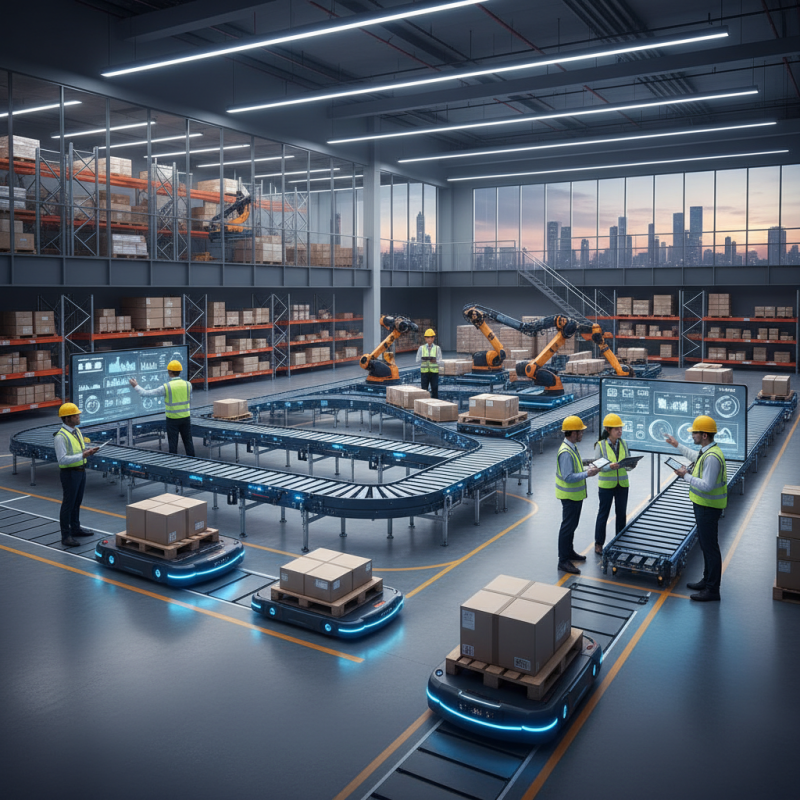
How To Improve Material Handling Efficiency for Global Buyers?

Strategies for Streamlining Material Handling Processes in Global Supply Chains

Effective material handling is crucial for global supply chains. Streamlining these processes can significantly enhance efficiency. According to a report by the Material Handling Industry of America, improving material handling can boost productivity by up to 25%. One key strategy is to adopt automated systems, which can reduce errors and lower labor costs.

Implementing a just-in-time (JIT) inventory system can also streamline processes. This approach minimizes excess inventory, reducing storage costs. The Council of Supply Chain Management Professionals highlights that organizations using JIT see a 30% decrease in inventory holding costs. However, this method requires careful planning. Without accurate demand forecasting, it can lead to stockouts and customer dissatisfaction.

Training staff is another vital aspect. Well-trained employees can operate equipment efficiently and safely. According to the Occupational Safety and Health Administration, inadequate training can lead to a 30% increase in workplace accidents. This not only affects efficiency but also increases costs. Regular training sessions and audits can identify gaps and improve overall performance.

Optimizing Warehouse Layout for Enhanced Efficiency and Space Utilization

Optimizing warehouse layout is crucial for enhancing efficiency and space utilization. A well-organized layout can significantly reduce the time spent retrieving items. Start by analyzing the flow of goods. Identify high-traffic areas and ensure they are accessible. This reduces congestion and streamlines operations.

Consider using designated zones for different products. Store frequently picked items closer to shipping areas. This strategy minimizes travel distance and speeds up order fulfillment. Additionally, pathways should be clear and well-marked. Employees should have a clear understanding of where everything is located.

However, it is essential to constantly evaluate the layout. What works today may not be effective tomorrow. Be open to feedback from staff. Regularly assess space usage to avoid clutter and inefficiencies. A flexible approach allows your warehouse to adapt to changing demands. This reflexivity is key in maintaining an efficient operation.

Leveraging Technology: Automation and Robotics in Material Handling

Automation and robotics are revolutionizing material handling efficiency. These technologies streamline operations in warehouses and distribution centers. Automated guided vehicles (AGVs) can transport goods with precision. They reduce labor costs and minimize human error.

Robotic arms handle heavy lifting tasks, which can be risky for workers. They operate with high speed and accuracy. However, reliance on technology also poses challenges. Maintenance and programming require skilled technicians. Businesses must invest in training to ensure smooth operations.

Integrating technology is not a panacea. Some companies experience disruptions during transitions. Employees may resist change or fear job loss. Leaders must communicate effectively to manage these concerns. A thoughtful approach can turn skepticism into acceptance. Embracing technology requires careful planning and reflection.

How To Improve Material Handling Efficiency for Global Buyers? - Leveraging Technology: Automation and Robotics in Material Handling

Technology Application Benefit Efficiency Improvement (%) Implementation Cost ($)
Automated Guided Vehicles (AGVs) Material Transportation Reduces labor costs 30% 50,000
Robotic Arms Picking and Packing Increases accuracy 25% 75,000
Warehouse Management Systems (WMS) Inventory Management Improves stock accuracy 20% 30,000
Drones Inventory Scanning Speeds up stock audits 40% 15,000
Internet of Things (IoT) Real-time Tracking Enhances visibility 35% 20,000

Training and Workforce Development for Improved Operational Performance

Training and workforce development are crucial for enhancing material handling efficiency. Skilled workers can significantly boost operational performance. Investing in training programs cultivates talent and ensures staff are well-versed in best practices. Continuous improvement is essential, as outdated skills can hamper productivity.

Tips for effective training: Include utilizing hands-on experience. Simulations of real-world scenarios can reinforce learning. Encourage feedback from employees to identify areas needing improvement. Regularly scheduled workshops create a culture of ongoing education.

Moreover, assessing team performance helps to align training with operational goals. Analyze gaps in skills and knowledge to tailor training programs. Every team member should have an understanding of their role in the larger picture. Empowering workers to take initiative can lead to innovative solutions and enhance efficiency.

Implementing Just-in-Time Inventory Practices to Reduce Waste and Costs

Implementing Just-in-Time (JIT) inventory practices can significantly enhance material handling efficiency for global buyers. JIT focuses on reducing excess inventory and minimizes waste. By syncing production schedules with demand, companies can reduce storage costs. This method encourages timely deliveries and fosters a lean supply chain.

One key element of JIT is precise forecasting. Accurate predictions rely on historical data. When demand fluctuates, it can lead to shortfalls or surplus stock. Buyers need to remain vigilant about market trends and shifts. Collaborative relationships with suppliers are crucial. Trust and communication help ensure timely deliveries, but they require continuous effort.

Despite its benefits, JIT is not without challenges. Companies may struggle with supply chain disruptions. Natural disasters and geopolitical issues can halt production. It’s essential to develop contingency plans. Flexibility in sourcing materials can help mitigate risks. Reflecting on these limitations helps businesses adapt and improve their JIT practices. Ultimately, a well-implemented JIT strategy supports inventory efficiency and customer satisfaction.

FAQS

: Why is effective material handling important in global supply chains?

: It enhances efficiency and can increase productivity by up to 25%.

What is one key strategy to streamline material handling processes?

Adopting automated systems reduces errors and lowers labor costs.

How can a just-in-time (JIT) inventory system help?

It minimizes excess inventory and reduces storage costs significantly.

What is a potential risk of using JIT?

It can lead to stockouts and customer dissatisfaction without accurate demand forecasting.

Why is staff training important in material handling?

Well-trained employees operate equipment safely, reducing workplace accidents by up to 30%.

What are some effective training methods?

Hands-on experience and simulations can reinforce learning effectively.

How can feedback improve training programs?

Employee feedback identifies areas needing improvement, enhancing training effectiveness.

What is the role of continuous improvement in workforce development?

It helps keep skills updated, preventing outdated methods from hindering productivity.

How can team performance assessments benefit training?

They help to align training with operational goals and identify skill gaps.

Why should workers be empowered in their roles?

Empowerment can lead to innovative solutions and improve overall efficiency.

Conclusion

To address the challenges faced by global buyers, understanding "How To Improve Material Handling Efficiency" is essential. This can be achieved through various strategies that streamline material handling processes within supply chains. By optimizing warehouse layouts, companies can enhance efficiency and make better use of available space, leading to more effective operations.

The integration of technology, including automation and robotics, plays a significant role in transforming material handling practices, allowing for faster and more accurate task execution. Furthermore, investing in training and workforce development is crucial for boosting operational performance and ensuring that employees are equipped with the necessary skills. Finally, implementing Just-in-Time inventory practices helps to minimize waste and reduce costs, further driving the efficiency of material handling processes in global supply chains.

Madeline

Madeline

Madeline is a dedicated marketing professional with a wealth of expertise in our company's core offerings. With a keen understanding of the industry, she brings a unique perspective to her role, consistently delivering high-quality content that highlights the superior aspects of our products. As......