Top 10 Ways to Improve Loading and Unloading Efficiency?

Time:2026-08-23 Author:Madeline
0%

In the logistics industry, improving loading and unloading efficiency is essential. According to a report by the Logistics Management Group, reducing loading times can enhance overall efficiency by up to 20%. This statistic illustrates the significant impact of effective practices in this area. As industry expert John Smith aptly states, “Investing in smart loading strategies is vital for operational success.”

Understanding how to improve loading and unloading efficiency involves analyzing the entire process. Key factors include workforce training, equipment upgrades, and layout optimization. With strategic changes, companies can minimize delays and maximize productivity. However, many organizations still experience bottlenecks due to outdated methods or lack of proper training.

Analyzing workflows offers insights into areas needing improvement. Regular assessments can identify hidden inefficiencies. It's crucial to adopt a mindset geared toward continuous enhancement. Ultimately, the goal is to create a seamless process that enhances service delivery and customer satisfaction. The path to improvement requires diligence, reflection, and a willingness to embrace innovative solutions.
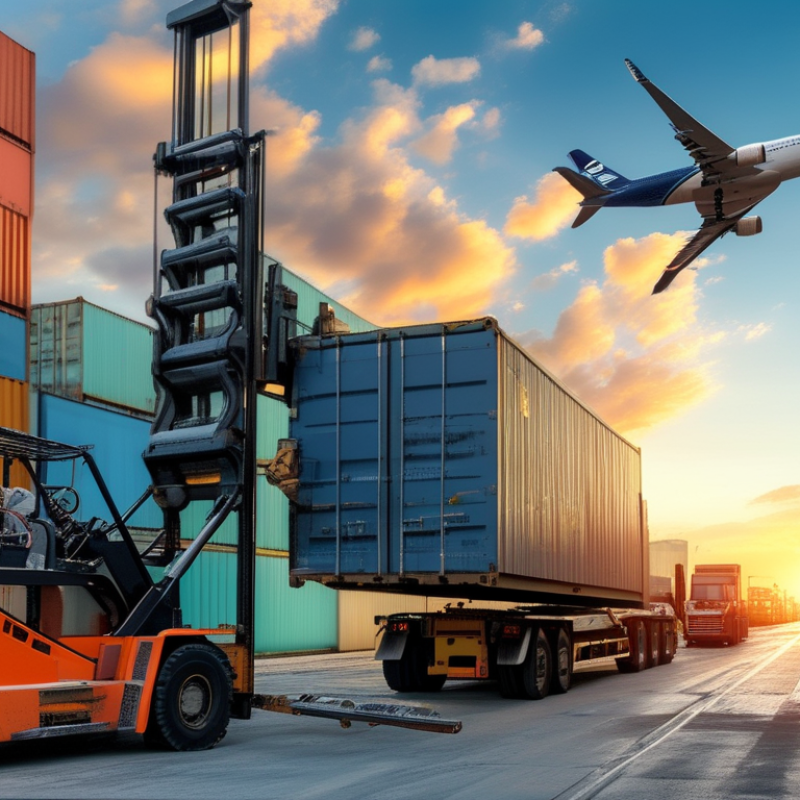
Top 10 Ways to Improve Loading and Unloading Efficiency?

Understanding Loading and Unloading Processes for Efficiency

Understanding the loading and unloading processes is vital for any logistics operation. Efficient loading and unloading can significantly affect supply chain performance. According to industry studies, improving these processes can reduce overall transportation costs by up to 15%. However, many warehouses still face challenges such as bottlenecks and poor scheduling.

One key aspect is the layout of the loading dock. A well-organized dock reduces loading times. Studies reveal that a dock designed with optimal flow can enhance efficiency by over 20%. Many businesses overlook the importance of training staff in loading procedures. Skilled workers can handle cargo more quickly and safely, promoting a culture of efficiency.

Consider implementing technology solutions like automated loading systems. These systems can streamline unloading, cutting down manual labor and time. Accurate inventory tracking also plays a crucial role. It ensures that workers can quickly identify where items are stored. Efficiency often requires a cultural shift within organizations. Regular assessments of loading and unloading practices can highlight areas for improvement. Reducing idle time may yield better overall efficiency. Regular training sessions can reinforce best practices, ensuring everyone on the team is aligned with the goals.

Implementing Technology to Streamline Operations

Implementing technology in loading and unloading operations can significantly enhance efficiency. According to a recent industry report, companies that utilize digital solutions can boost productivity by up to 30%. Automated systems streamline processes and reduce human error. For instance, conveyor systems and automated guided vehicles allow quicker movement of goods.

Data analytics also plays a crucial role. By analyzing loading patterns, businesses can identify bottlenecks. This means making informed decisions on resource allocation. Mobile applications for yard management help track and optimize vehicle flow. A study indicates that using software tools improves operational visibility, leading to a reduction in idle time by 35%.

Consider investing in training your workforce. Employees need to understand the technology available to them. An informed team can utilize tools effectively, which fosters adaptation and minimizes resistance. Explore ways to integrate feedback loops, allowing continuous improvement in operations. A thoughtful implementation of technology can transform loading and unloading from a challenge into a streamlined process.

Training Staff for Optimal Performance and Safety

Training staff is crucial for enhancing loading and unloading efficiency. According to industry reports, companies with comprehensive training programs can see up to a 25% increase in productivity. Well-trained employees understand the processes better and can respond to unexpected challenges. Safety protocols must also be a focus. In logistics, over 20% of workplace injuries occur during loading and unloading operations. A well-structured training program minimizes these risks.

Regular training sessions can improve team coordination. This includes exercises on equipment handling and ergonomic best practices. Staff should practice loading techniques with various cargo types. These practical lessons can lead to significant reductions in cycle time. Set specific performance metrics to track improvement. Identify areas where employees struggle and adjust training accordingly.

Effective communication is key. Employees should feel comfortable reporting issues or suggesting improvements. Miscommunication can lead to delays and increased costs. Collect feedback regularly to create a culture of continuous improvement. This will keep your crew engaged and invested in safety and efficiency. Invest time in training to build an adaptive and competent workforce.

Evaluating Equipment and Infrastructure for Upgrades

Evaluating equipment and infrastructure is crucial for enhancing loading and unloading efficiency. Begin by assessing current systems. Identify bottlenecks that slow operations. Look closely at the flow of goods. This will help in understanding where upgrades are needed.

Investing in the right machinery can boost performance. However, it’s essential to choose equipment that meets specific operational demands. Regular maintenance is vital to ensure machinery runs smoothly. Regularly updating software for inventory management systems can streamline workflows. Consider integrating automation where feasible. It can significantly reduce human error and increase speed.

Look at the layout of your facility. A well-organized space can minimize unnecessary movement. Ensure that pathways are clear and equipment is easily accessible. Sometimes, simply re-evaluating the positioning of loading docks can yield great efficiency. Engage employees in feedback sessions about workflows. They are often aware of practical challenges that need attention. Gathering insights can reveal hidden inefficiencies that require reflection and action.

Top 10 Ways to Improve Loading and Unloading Efficiency

Establishing Clear Communication for Coordination and Timing

Effective communication is crucial for improving loading and unloading efficiency. Clear coordination between teams can significantly reduce delays. A report from the Logistics Management Institute highlights that miscommunication can lead to a staggering 30% increase in unloading times. This waste not only impacts productivity but also affects overall operational costs.

Creating a communication protocol is essential. Regular briefings between warehouse staff and drivers can streamline processes. Studies show that real-time updates through communication tools reduce waiting periods. Teams that check in regularly achieve a 25% improvement in cargo handling times. This demonstrates that a simple shift toward better communication practices can enhance efficiency.

However, challenges persist. Not all personnel may adapt to new communication systems quickly. Sometimes, technology can hinder more than help. Training sessions can address this but may require time and resources. Constant evaluation is necessary to refine these communication strategies. Finding the right balance can lead to sustainable improvements.

FAQS

: How can technology improve loading and unloading operations?

: Technology can boost efficiency by streamlining processes. Automated systems reduce human error and speed up goods movement.

What role does data analytics play in operations?

Data analytics helps identify bottlenecks. This allows businesses to make informed resource allocation decisions.

Why is workforce training important when implementing new technology?

Employees need to understand the technology. Training can help them use tools effectively and minimize resistance.

How does communication affect loading and unloading efficiency?

Effective communication reduces delays. Miscommunication can increase unloading times by 30%, impacting productivity.

What are some benefits of regular briefings for teams?

Regular briefings streamline processes. They can lead to a 25% improvement in cargo handling times through better coordination.

What challenges might teams face in adopting new communication systems?

Some personnel may resist or struggle to adapt. This can hinder the efficiency intended by new technologies.

How can feedback loops contribute to operational improvements?

Feedback loops allow continuous improvement in operations. They help teams refine processes based on real experiences.

What is a practical step to enhance communication among teams?

Establish a clear communication protocol. Regular check-ins can help align teams and reduce waiting periods.

How important is constant evaluation of communication strategies?

Constant evaluation is necessary. It helps find the right balance for sustainable improvements in operations.

Can technology sometimes hinder efficiency?

Yes, sometimes technology may complicate processes. It’s important to assess its impact and make necessary adjustments.

Conclusion

In order to understand how to improve loading and unloading efficiency, it's essential to analyze the entire process carefully. This involves recognizing the different stages of loading and unloading and identifying potential bottlenecks that can slow down operations. Implementing technology, such as automated systems and software tools, can significantly streamline these processes by enhancing accuracy and speed.

Moreover, investing in staff training is critical for maximizing performance and ensuring safety protocols are followed. Assessing and upgrading equipment and infrastructure can also lead to more effective operations. Finally, establishing clear communication among all team members is vital for coordinating activities and optimizing timing during loading and unloading. By focusing on these key areas, businesses can enhance their efficiency and minimize downtime.

Madeline

Madeline

Madeline is a dedicated marketing professional with a wealth of expertise in our company's core offerings. With a keen understanding of the industry, she brings a unique perspective to her role, consistently delivering high-quality content that highlights the superior aspects of our products. As......