Heavy materials can turn a routine sourcing decision into a serious safety risk. A steel coil shifting inside a container, a pallet leaning during unloading, or a crate placed on uneven flooring can injure workers and delay delivery. Safe handling starts before the shipment leaves the supplier. Buyers should confirm package weight, dimensions, lifting points, center of gravity, and required equipment. Clear markings matter. So does a realistic unloading plan.
What Are The Safety Guidelines For Handling Heavy Materials? This outline examines practical controls across supplier selection, packing, transport, receiving, and storage. It draws on established workplace-safety principles, including hazard assessment, suitable lifting equipment, clear communication, and trained personnel. Dr. David Michaels, former U.S. Assistant Secretary of Labor for Occupational Safety and Health, is an established workplace-safety expert. The following line is a paraphrase of a general prevention principle, not a verified direct quotation: “Identify the hazard early, then control it before work begins.”
Global sourcing adds complications. Teams may receive inconsistent weight data, unfamiliar package markings, or handling instructions that do not match conditions at the destination. A plan can look complete on paper and still fail at a crowded dock. That deserves a second look. The guide will show how buyers and logistics teams can verify information, prepare safe equipment, and pause work when a load appears unstable. No checklist replaces judgment on site, but careful preparation makes preventable mistakes less likely.
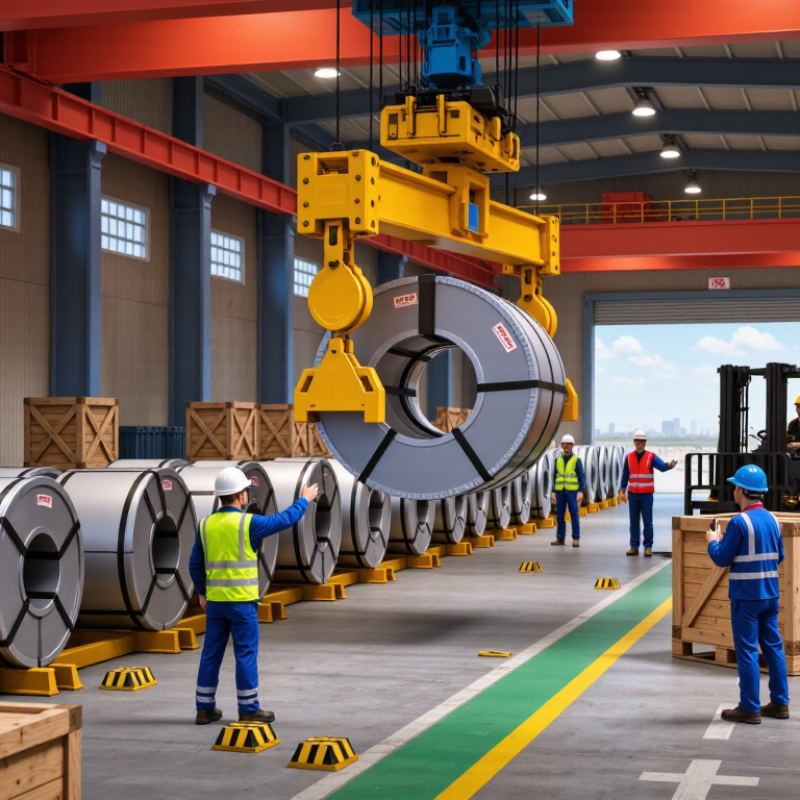
Understanding the Risks of Handling Heavy Materials in Global Sourcing
Heavy materials can create risks long before they reach a destination warehouse. A dense stone slab, steel coil, or oversized machine part may shift inside a container when its weight is unevenly distributed. During loading, a forklift with insufficient capacity can become unstable, even on a smooth floor. A damaged pallet may also fail without warning. Small warning signs matter.
Sourcing across borders adds handoffs, different equipment, and varying levels of handling experience. Each transfer can expose workers to crush injuries, dropped loads, or strains from awkward lifting. Clear weight labels, verified load limits, and suitable lifting points help reduce uncertainty. So does sharing accurate dimensions and handling instructions with suppliers, freight teams, and receiving staff before dispatch. Photos of packaging and a simple loading plan can reveal problems early. But paperwork alone is not enough. Teams need time to inspect equipment and stop work when a load feels unstable. In practice, schedules can pressure people to rush; that pressure deserves attention, not excuses. A checklist may miss a detail. Reviewing near misses and adjusting procedures helps teams learn where the plan failed.
Assessing Weight, Dimensions, Packaging, and Handling Requirements
Heavy materials can become costly problems when a quote lists weight but ignores dimensions. Record each item’s gross and net weight, length, width, and height. Include any unusual features, such as a high center of gravity or uneven weight distribution. A steel component may fit within a container on paper, yet leave too little clearance for lifting equipment. Measure the actual packed unit, not just the product.
Packaging changes how a load can be moved. Ask suppliers to specify pallet or crate materials, lifting points, load-bearing capacity, and whether the package can be stacked. Take clear photos of the underside and marked lifting areas before dispatch. Small details matter. Confirm the expected forklift or hoist capacity with the receiving site, and make sure access routes and floor limits can support the load. For long or bulky items, check turning space and door clearance. These checks are ordinary, but they are easy to miss when schedules are tight.
Handling instructions should travel with the shipment and match the real package. A simple diagram can show fork entry, sling positions, and orientation. If the cargo shifts during a test lift, stop and reassess the balance rather than improvising. I have seen weight figures treated as exact when they were only estimates; that assumption deserves a second look. Ask for verified measurements and a packing list before booking transport.
Selecting Equipment and Establishing Safe Lifting Procedures
In global sourcing, a shipment may include dense castings, stacked stone, or machinery with an uneven center of gravity. Select lifting equipment only after checking the load’s weight, dimensions, lifting points, and packaging condition. A pallet jack suits a stable, low load on a smooth floor; a forklift or hoist may be needed for heavier or awkward items. Confirm the equipment’s rated capacity, including any attachments. A capacity label is not a guess.
Before unloading, inspect slings, chains, forks, and straps for wear or damage. Check that the receiving area is level, clear, and strong enough for the load. Workers should agree on hand signals and keep a clear route to the destination. Lift slowly, just enough to test balance, then pause. If the load tilts or shifts, lower it and reassess rather than trying to correct it midair. Keep people outside the drop zone, and never place hands beneath a suspended load.
Procedures need to fit the actual site, not just the paperwork. A supplier’s crate may look sound but hide loose components or a shifted center of gravity. We sometimes assume familiar packaging means familiar handling; that assumption deserves a second look. Record load weights and lifting points where possible, and brief crews before each unusual move. If conditions change, stop and review the plan. A short delay is safer than a rushed lift.
How to Handle Heavy Materials Safely in Global Sourcing?
Calculated tension in each leg of a symmetrical two-leg sling supporting a 1,000 kg load. As the sling angle from vertical increases, leg tension rises. Idealized static values only; they are not equipment ratings or lift plans. Confirm the complete load, rigging, angles, and equipment capacity with a qualified person before lifting.
Coordinating Supplier, Carrier, and Warehouse Safety Responsibilities
How to Handle Heavy Materials Safely in Global Sourcing?
Coordinating Supplier, Carrier, and Warehouse Safety Responsibilities
Heavy-material safety depends on clear handoffs, not just strong equipment. The International Labour Organization estimated 2.93 million work-related deaths and 395 million non-fatal work injuries worldwide in 2019. These figures underline why sourcing teams should check safety practices across the full shipment, not only at the factory. Before dispatch, suppliers should confirm package weight, center of gravity, lifting points, and pallet condition. Carriers need these details before loading, plus a clear plan for securing each load. At the warehouse, staff should receive handling instructions and inspect packaging before unloading. A crushed corner or shifted pallet can change the safest method.
Tips: Put the load’s weight and lifting points on shipment documents. Agree who supplies lifting equipment, who checks restraints, and who stops work if conditions change. Use a spotter when operators have limited visibility. Record handoff checks with simple photographs and signed inspection notes. These steps help, but paperwork alone cannot make a poor lift safe.
Keep one contact responsible for resolving gaps between teams. Confirm that forklifts, slings, and dock plates match the load, and that workers know the route and exclusion zone. Recheck plans when shipments are repacked or delayed; the original assumptions may no longer fit. Honestly, teams sometimes treat these checks as routine paperwork. That is worth questioning. A brief conversation at the loading bay can reveal risks a form misses.
Monitoring Compliance and Improving Heavy-Material Handling Practices
Heavy-material handling should be monitored where the work happens, not only through paperwork. During supplier visits, observe how workers lift, move, and secure loads. Check whether equipment has visible inspection records and whether its capacity matches the task. Look for clear walkways, stable stacking, and protective gear suited to the work. Small signs matter. A frayed sling or blocked aisle can reveal a gap between written procedures and daily practice.
Compliance checks are more useful when they produce consistent evidence. Keep dated inspection logs, training records, incident reports, and corrective-action notes. Compare findings across shifts and facilities, since one successful audit may miss a recurring problem. Ask workers how they handle awkward loads or equipment failures. Their answers can expose unclear instructions that a checklist overlooks. Records help, but they do not prove that a procedure is followed every day.
Improvement should focus on specific, observable changes. If repeated checks find poor load balance, review the packing method and demonstrate safer positioning with real materials. Track whether the same issue returns, and assign a responsible person and review date. Training may need repeating; people forget, especially during busy periods. That is not an excuse, but it is a practical risk to account for. Supplier assessments should be respectful and evidence-based, with clear expectations and time to verify corrective actions. A neat report is not the same as safer handling.
Conclusion
Handling heavy materials in global sourcing requires careful planning at every stage, from supplier packaging to warehouse storage. Begin by assessing each item’s weight, dimensions, center of gravity, packaging, and handling needs so that suitable equipment and trained personnel can be arranged in advance. What Are The Safety Guidelines For Handling Heavy Materials? They include using lifting equipment rated for the load, inspecting tools before use, following clear lifting procedures, keeping routes unobstructed, and securing materials to prevent shifting or falling.
Safety also depends on coordination among suppliers, carriers, and warehouse teams. Agree on handling instructions, responsibilities, and communication methods before materials move, and ensure workers understand the procedures relevant to their tasks. Monitor handling practices, report hazards, and review incidents or near misses to identify improvements. Consistent assessment, coordination, and follow-up can reduce injuries, prevent damage, and make heavy-material sourcing operations safer and more reliable.

 GLS Forklift