Top 10 Future Trends in Material Handling Equipment?

Time:2026-07-09 Author:Henry
0%

The landscape of material handling equipment is rapidly evolving. Industries are increasingly focusing on efficiency and automation. According to a recent report by the International Federation of Robotics, global sales of industrial robots are projected to grow by 20% through 2025. This shift raises the question, "What Are The Future Trends In Material Handling Equipment?"

One notable trend is the integration of advanced technologies. Internet of Things (IoT) connectivity enhances equipment monitoring and data collection, improving decision-making processes. A study from McKinsey & Company suggests that companies embracing these technologies can boost productivity by up to 30%. Yet, challenges remain. Many organizations struggle to implement these innovations effectively.

Sustainability is also becoming a key focus. Equipment manufacturers are prioritizing eco-friendly solutions to meet regulatory requirements and consumer demands. The market for green material handling equipment is expected to grow by 15% annually. However, companies must reflect on balancing costs with environmental impact. The future of material handling requires adaptability, innovation, and a commitment to sustainable practices to thrive in this dynamic environment.
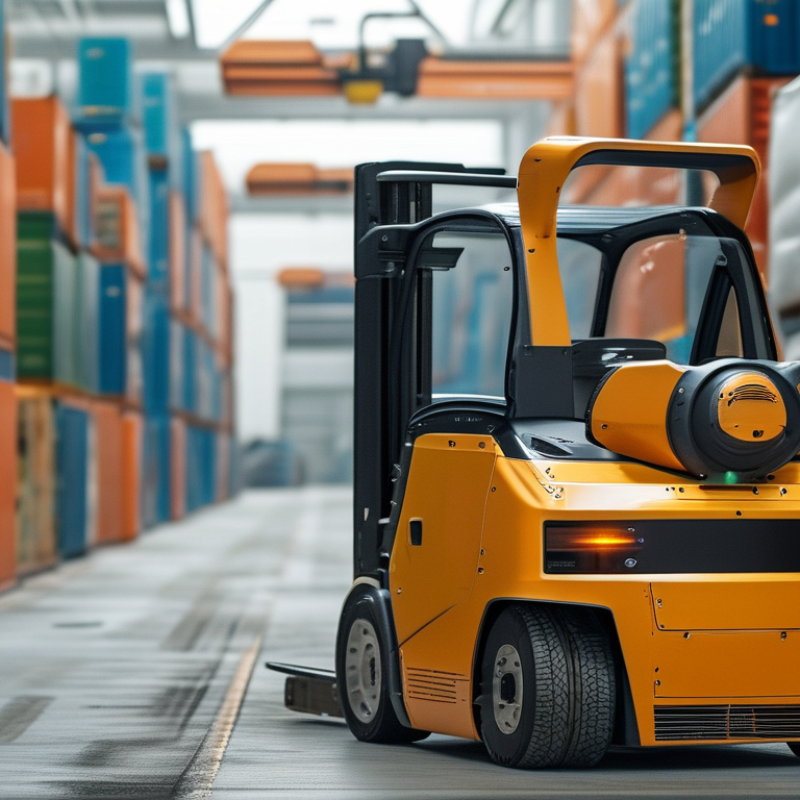
Top 10 Future Trends in Material Handling Equipment?

Emerging Technologies Shaping Material Handling Equipment

The material handling industry is rapidly transforming due to emerging technologies. Automation is at the forefront. According to a report by the Material Handling Industry of America, automated solutions can enhance efficiency by 30% and reduce labor costs significantly.

Robotics are no longer a future concept; they are reshaping task execution in warehouses.

Artificial intelligence is another game changer. It optimizes inventory management and improves decision-making processes. A study by Deloitte found that 70% of organizations using AI in their logistics reported measurable improvements. However, the integration of these technologies requires significant initial investment. Smaller companies may struggle to adopt such advanced solutions.

As organizations pursue these innovations, they must also reflect on their sustainability impacts. Green technologies in material handling are essential for reducing carbon footprints. The challenge lies in balancing efficiency with environmental responsibility. While the potential is enormous, the journey to fully embrace these technologies is still fraught with obstacles.

Automation and Robotics in Material Handling Solutions

Automation and robotics are transforming material handling solutions. These technologies improve efficiency and reduce the risk of human error. Many operations now use automated guided vehicles (AGVs) and robotic arms for lifting and moving products. This reduces labor costs and speeds up processes significantly.

However, not all automation is perfect. Integrating new systems can bring challenges. Employees may need training to work alongside robots. Resistance to change can also slow adoption. It’s essential to engage teams early in the transition. Communication helps address concerns and improves outcomes.

Furthermore, the reliability of automated systems depends on technology maturity. Issues such as software glitches can disrupt operations. Regular maintenance of equipment is critical. Businesses must evaluate their unique needs before implementing new technology. While automation offers clear advantages, careful planning is essential for success in material handling.

Sustainable Practices in Material Handling Equipment Design

Sustainable practices in material handling equipment design are crucial for the industry's future. Recent studies show that nearly 70% of companies prioritize sustainability in their operations. This shift reflects a growing awareness of environmental concerns. By adopting eco-friendly materials and energy-efficient technologies, businesses can reduce their carbon footprints significantly.

Many companies are implementing innovative designs in their equipment. For instance, using recycled materials can not only lower costs but also promote a circular economy. This approach resonates with consumers and can enhance brand loyalty. Data shows that companies focusing on sustainable designs often see revenue growth of up to 15%.

Tip: Analyze your current materials. Are they sourced sustainably?

Logistics is another area where sustainable practices take hold. Automated systems and smart technology help optimize energy use. These systems can reduce waste and improve efficiency. However, not every solution is perfect. Some technologies require high initial investments, which can be a barrier for smaller businesses.

Tip: Consider a phased approach when integrating new technologies. Start small, then scale up.

Integration of IoT for Enhanced Equipment Performance

The integration of IoT (Internet of Things) into material handling equipment is set to redefine industry standards. In 2023, the global IoT in the logistics and supply chain market was valued at approximately $30 billion and is expected to grow significantly. IoT enables real-time tracking and monitoring of equipment performance and inventory levels. It provides actionable insights to enhance operational efficiency.

Sensors attached to equipment collect data on usage patterns and performance metrics. This data allows for predictive maintenance, reducing downtime by 20-30%. Moreover, automated alerts can notify operators about potential issues before they escalate. A recent report suggested that companies implementing IoT solutions could improve productivity by up to 25%.

Despite these advancements, challenges remain. Not all organizations have the infrastructure to support IoT integration. Cybersecurity concerns also pose risks. Inadequate training for employees can lead to misuse of valuable data. Companies must learn to navigate these obstacles for successful implementation. It's crucial to balance high-tech solutions with practical applications that address real-world issues.

Trends in Ergonomics and Safety in Material Handling Equipment

The future of material handling equipment is increasingly shaped by ergonomics and safety. Studies show that nearly 36% of workplace injuries stem from improper lifting techniques and repetitive motions. Focusing on ergonomics can significantly reduce these injuries, enhancing worker productivity. For example, the implementation of adjustable equipment allows employees to maintain a neutral posture, minimizing strain on the body.

Safety standards are evolving as well. A 2022 report indicates that companies investing in safety measures experience 20% fewer accidents on average. Moreover, the integration of technology, such as sensors and automation, enhances safety. These tools provide real-time feedback, alerting workers to potential hazards. While these advancements are promising, challenges remain. Not all workplaces can afford the latest equipment, making it essential to find cost-effective solutions that prioritize both safety and ergonomics.

Additionally, many workers are not yet fully trained on new safety protocols. This gap can lead to accidents, despite high-tech equipment. Regular training and clear communication are vital. Companies must not overlook the human element in their safety strategies. Balancing technology and worker engagement is key for a truly safe environment in material handling.

FAQS

: What role does automation play in material handling?

: Automation enhances efficiency by up to 30% and reduces labor costs significantly.

How does artificial intelligence impact inventory management?

AI optimizes inventory management and improves decision-making, leading to measurable improvements for many organizations.

What challenges do smaller companies face with new technologies?

Smaller businesses often struggle with the high initial investment required for advanced technological adoption.

Why are sustainable practices important for material handling?

Sustainable practices help reduce carbon footprints and reflect growing environmental awareness among consumers and businesses.

What materials can companies use to promote sustainability?

Companies can use eco-friendly materials, including recycled items, to lower costs and encourage a circular economy.

How can ergonomics improve workplace safety in material handling?

Proper ergonomic designs, like adjustable equipment, reduce strain and prevent injuries related to lifting techniques.

What is the impact of safety investments in companies?

Companies investing in safety experience, on average, 20% fewer accidents, highlighting the benefits of safety measures.

What is a common barrier for businesses adopting new technologies?

High initial costs can deter companies, especially smaller ones, from integrating new automated systems.

How can companies ensure effective implementation of safety protocols?

Regular training and clear communication are vital to keeping workers informed and preventing accidents.

What should companies consider when adopting new technologies?

A phased approach is recommended, starting small and then scaling up to manage costs effectively.

Conclusion

The article titled "Top 10 Future Trends in Material Handling Equipment" explores various advancements reshaping the industry. Key trends include the integration of emerging technologies that enhance efficiency and productivity. Automation and robotics are increasingly becoming integral to material handling solutions, streamlining operations and reducing human error. Furthermore, there is a significant focus on sustainable practices in the design of equipment, ensuring minimal environmental impact.

In addition, the integration of IoT technology is expected to enhance equipment performance, enabling real-time monitoring and data analysis. Trends in ergonomics and safety are also gaining importance, as companies prioritize the well-being of their workforce. Overall, these developments prompt the question, "What Are The Future Trends In Material Handling Equipment?" as they signify a transformative phase aimed at increasing efficiency while addressing sustainability and safety.

Henry

Henry

Henry is a dedicated marketing professional with a profound expertise in the company's offerings. With years of experience in the industry, he possesses an impressive understanding of the market dynamics and consumer behaviors that drive success. Henry is committed to sharing his insights through......