Operator comfort and safety are paramount in today's industrial landscape. A 2020 study by the National Institute for Occupational Safety and Health (NIOSH) highlighted that overexertion and repetitive motions account for nearly 40% of workplace injuries. This data underscores the need for strategies focusing on "How To Enhance Operator Comfort And Safety." Addressing these concerns not only improves worker well-being but also boosts productivity and reduces costs associated with injuries.
Effective ergonomic interventions can significantly improve comfort levels among operators. According to the Occupational Safety and Health Administration (OSHA), workplaces that invest in ergonomic solutions see injury rates decrease by as much as 50%. This shift allows operators to perform tasks efficiently, resulting in smoother operations. However, many organizations still overlook these crucial factors.
Moreover, the human factor cannot be ignored. Regularly assessing the work environment and incorporating feedback from operators can reveal blind spots. Despite advancements, challenges remain. It is vital to remain vigilant about operator fatigue and stress. The evolving nature of work demands a proactive stance in optimizing comfort and safety. Strategies need continuous evaluation and adaptation to ensure they remain effective and relevant.
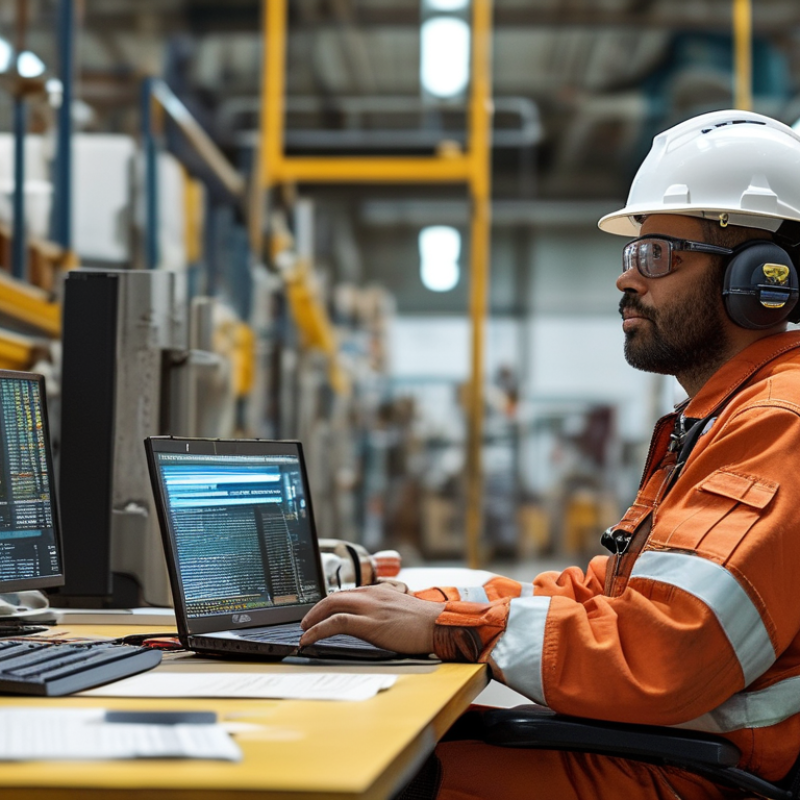
Operator comfort is crucial for efficiency and safety in any work environment. Several key factors contribute to this overall comfort. Ergonomic design plays a significant role. A well-designed workstation minimizes physical strain. For example, adjustable seating and tool positioning can significantly reduce discomfort. Proper equipment layout also allows operators to move freely, enhancing their focus on tasks.
Another essential factor is environmental conditions. Maintaining optimal temperature and lighting can greatly affect comfort levels. Excessive heat or cold can distract operators, leading to mistakes. Moreover, noise levels must be managed. A noisy environment can increase stress, impacting both comfort and productivity.
Finally, mental well-being is equally important. Operators need a supportive atmosphere. Regular feedback and recognition can boost morale. However, creating such an environment requires constant evaluation. It's essential to reflect on what works and what does not. By understanding these factors, organizations can enhance operator comfort and safety effectively.
Workplace accidents are alarmingly common. Statistics reveal that over 2 million injuries occur annually in various sectors. These incidents not only affect operator safety but also impact productivity and morale. Understanding this reality is crucial for enhancing safety protocols.
To mitigate risks, organizations should invest in comprehensive training. Proper training arms employees with knowledge about potential hazards. It can reduce accidents significantly. Additionally, regular assessments of workplace conditions are vital. Are the ongoing safety measures sufficient? Checking ergonomics and equipment frequently helps identify areas needing improvement.
Creating an open environment for feedback encourages employees to voice concerns. Operators often experience discomfort or hazardous situations firsthand. Their insights can lead to actionable changes in safety protocols. Addressing these issues promptly can foster a culture of safety. Consistent communication about safety procedures is essential for maintaining awareness.
Enhancing operator comfort and safety is a continuous journey. Regularly evaluating protocols and seeking input creates a safer workplace for everyone. However, it's a challenge that requires ongoing commitment and vigilance.
In the quest to enhance operator comfort and safety, ergonomic design principles play a crucial role. Research indicates that poorly designed workspaces can lead to a staggering 60% of workplace injuries. These injuries can stem from awkward postures, repetitive motions, and inadequate support. To combat this, integrating adjustable furniture is essential. Adjustable desks and chairs allow for personalized settings that cater to different body types and tasks, promoting better posture and reducing strain.
Employing ergonomic assessments can provide valuable insights into how operators interact with their environment. A report from the Human Factors and Ergonomics Society revealed that ergonomic interventions can yield a 25% reduction in injury-related costs. Furthermore, proper workspace layout is vital. Tools and equipment should be within easy reach to minimize excessive bending or stretching. While many companies recognize the importance of ergonomic improvements, some still neglect ongoing training. Regular workshops can help reinforce the significance of ergonomics and encourage proactive behavior among operators.
Focus on the mental aspect of ergonomics, too. Workspaces that are cluttered or poorly organized can lead to cognitive overload. Operators may feel stressed, resulting in decreased productivity. Employers must foster an environment that not only minimizes physical discomfort but also enhances mental clarity. Attention to these details reinforces a culture centered on operator well-being and safety.
Operator safety awareness is crucial in any industry. Effective training programs can significantly lower accident rates, ensuring a safer workspace. A study by the National Safety Council reveals that companies investing in safety training experience a 50% reduction in incidents. This highlights the importance of making safety a priority through structured training initiatives.
Hands-on training and simulations can engage operators more effectively. Practical exercises allow workers to apply safety protocols in real-life scenarios. Research shows that interactive training leads to a 70% retention rate compared to just 10% in traditional lectures. Incorporating technologies like virtual reality can further enhance this experience. However, the challenge remains that many programs ignore ongoing assessments, leaving room for improvement.
Additionally, fostering a culture of safety can be difficult. An employee may initially understand safety measures but might not consistently practice them. The Behavior-Based Safety (BBS) approach shows that ongoing feedback improves compliance. An ongoing evaluation of training effectiveness is critical but often overlooked. Employers must remain committed to enhancing training programs to truly elevate operator comfort and safety.
Technological advancements significantly impact operator comfort and safety in various industries. Monitoring systems can track environmental conditions and worker wellbeing in real time. For instance, smart wearables can measure heart rates and fatigue levels, providing actionable insights. A 2022 report from the Occupational Safety and Health Administration indicates that workplaces using such technology experience up to a 30% reduction in incidents related to operator fatigue.
Implementing these technologies isn't without challenges. While data collection is straightforward, interpreting it is complex. The relationship between comfort and performance needs more exploration. Furthermore, reliance on technology might lead to complacency among operators. Regular training and awareness remain critical components in maintaining a safety-first culture. According to a study by the National Institute for Occupational Safety and Health, organizations investing in training alongside monitoring systems saw a 25% increase in safety compliance.
The integration of monitoring tools must also consider individual variations in comfort levels. Measures that work well for one operator might not suit another. Developing personalized comfort metrics could enhance effectiveness. However, it’s important to recognize that comfort is subjective. Continuous feedback from operators is essential to refine these systems. Data suggests that fostering an environment where operators feel valued leads to better engagement and safer workspaces.
: Over 2 million injuries occur annually across various sectors. This affects safety, productivity, and morale.
Invest in comprehensive training and regularly assess workplace conditions. This identifies areas for improvement.
Operators understand hazards firsthand. Their insights can lead to actionable changes in safety protocols.
Hands-on training and simulations are highly effective. They enhance engagement and retention of safety measures.
Incorporating technologies like virtual reality can improve training effectiveness and make learning more interactive.
Many programs neglect ongoing assessments. This limits the potential for continuous improvement in safety awareness.
Consistent communication and ongoing feedback are essential to reinforce safety practices among employees.
Ongoing evaluations of training effectiveness are critical. However, they are often overlooked and need improvement.
Regularly evaluating protocols and seeking employee input fosters a safer and more comfortable workplace.
Companies investing in safety training can see up to a 50% reduction in workplace incidents. That's significant.
The article "How To Enhance Operator Comfort And Safety Effectively?" explores critical factors that influence operator comfort and safety in the workplace. It emphasizes the importance of understanding these factors, supported by statistics highlighting the prevalence of workplace accidents and their effects on safety protocols. The piece outlines ergonomic design principles aimed at optimizing operator workspaces, advocating for environments that prioritize physical well-being.
Additionally, effective training programs play a vital role in increasing operator safety awareness, ensuring that personnel are well-equipped to identify hazards and respond appropriately. The use of technology is also discussed, showcasing tools that monitor and assess comfort and safety levels, providing valuable insights for ongoing improvements. Overall, the article presents a comprehensive approach to "How To Enhance Operator Comfort And Safety," underscoring the interconnectedness of ergonomic design, training, and technology in creating a safer workplace.

GLS Forklift