Why Effective Management of Industrial Equipment Fleets Matters?

Time:2026-08-13 Author:Isabella
0%

Effective management of industrial equipment fleets is crucial for any business. It impacts productivity, cost efficiency, and equipment longevity. Neglecting fleet management can lead to increased downtime and unexpected expenses. So, how to manage industrial equipment fleets effectively?

Understanding maintenance schedules is one key factor. Regular servicing ensures machines operate efficiently. However, many companies overlook this vital aspect. Equipment breakdowns can disrupt operations and lead to safety risks. It’s essential to track usage patterns and adjust strategies accordingly.

Training staff is equally important. Workers should know how to use equipment effectively. Each piece of machinery has unique requirements. Without proper training, mistakes can happen, which may jeopardize both personnel and the equipment. Moreover, adopting technology for monitoring fleet performance can significantly enhance management efficiency. Yet, businesses often hesitate to invest in such innovations. By addressing these concerns, companies can build a more resilient and efficient equipment fleet.
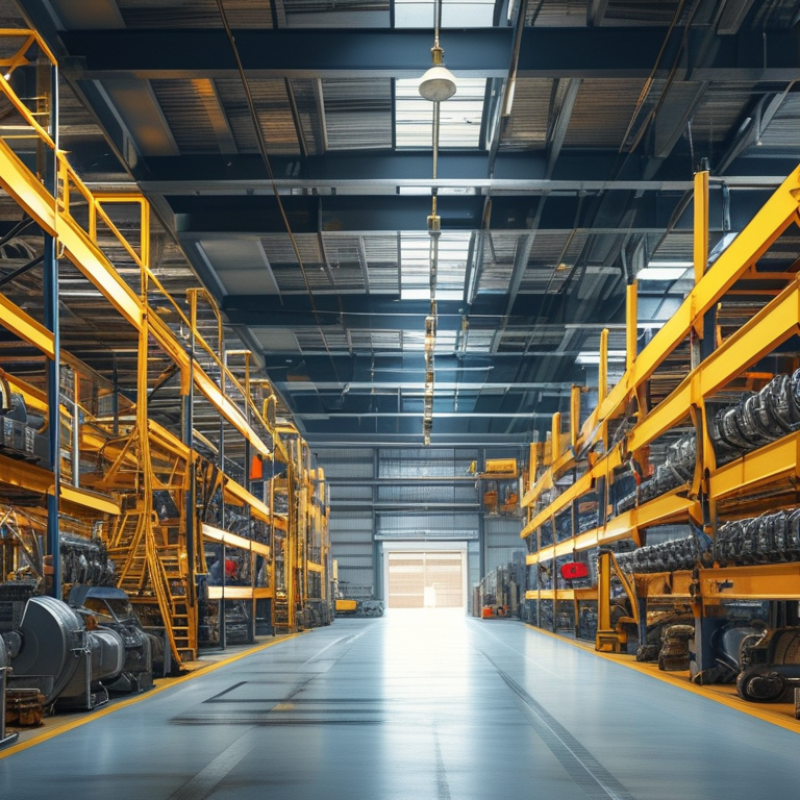
Why Effective Management of Industrial Equipment Fleets Matters?

Importance of Effective Management in Industrial Equipment Fleets

Effective management of industrial equipment fleets is crucial for optimizing operational efficiency. Proper fleet management can reduce costs significantly. According to a recent report by the Equipment Leasing and Finance Association, companies can save an average of 15% on maintenance by implementing a structured management approach. This type of management means keeping track of equipment usage, maintenance schedules, and operator training.

Organizations often overlook the importance of timely maintenance. Neglect can lead to unexpected breakdowns and costly downtime. Systems that integrate data analytics help identify patterns in equipment performance. For instance, predictive maintenance strategies can extend equipment lifespan by up to 20%, minimizing replacement costs. Implementing such strategies creates a culture of responsibility among operators.

Tips: Regularly review maintenance logs and update them diligently. Consider investing in technology that provides real-time insights into equipment status. Training staff on usage and care improves overall performance. Many organizations experience hesitance in adopting new tools, yet those who do realize increased efficiency and reduced costs. Being open to adapting management styles fosters growth and sustainability in equipment operations.

Key Benefits of Streamlined Fleet Management Practices

Effective fleet management practices are crucial for optimizing the use of industrial equipment. According to a report by the Association of Equipment Manufacturers, companies can save up to 15-20% on operational costs by implementing streamlined management strategies. This includes regular maintenance schedules and proper equipment allocation. Regular monitoring can also reduce unplanned downtime, which is often a significant drain on productivity.

Moreover, integrating advanced technologies like telematics can enhance visibility into fleet operations. The Telematics in Fleet Management study found that companies using telematics solutions see a 25% increase in fleet efficiency. These tools provide real-time data on equipment usage, allowing managers to make informed decisions on when to service or replace assets. However, not all organizations are utilizing these technologies yet. Many still depend on outdated management practices, creating opportunities for improvement.

Additionally, effective fleet management can lead to better safety outcomes. The National Safety Council reported that comprehensive fleet safety programs can decrease accident rates by up to 30%. This not only protects employees but also reduces liability costs. Implementing safety measures is essential, yet, some companies neglect this aspect, revealing room for growth and enhanced safety protocols. Emphasizing streamlined management can unlock numerous benefits, ultimately leading to enhanced efficiency and reduced costs.

Key Benefits of Streamlined Fleet Management Practices

Challenges Faced in Industrial Fleet Management and Solutions

Effective management of industrial equipment fleets is crucial for operational success. However, companies face several challenges in this area. A recent report from the Fleet Management Association states that 70% of fleet managers struggle with maintenance scheduling. Delays in maintenance can lead to increased downtime, affecting productivity and revenue. Fleet managers need to implement proactive maintenance systems to avoid such pitfalls.

Another challenge is tracking equipment utilization. The same report highlights that 40% of equipment is underutilized. This inefficiency not only wastes resources but also results in unnecessary costs. Implementing real-time tracking technologies can provide insights into usage patterns. Data analytics helps in identifying trends, revealing where improvements are necessary. Despite these technologies, many firms still rely on outdated methods for tracking and reporting.

Moreover, staff training remains a pressing issue. A significant number of operators lack the skills needed to handle advanced equipment. According to industry research, 55% of employees receive insufficient training. This situation can lead to operational errors and accidents. Organizations must invest in ongoing training programs. Improved training will enhance safety and efficiency, ultimately benefiting fleet performance.

Technological Innovations Enhancing Fleet Management Efficiency

The effective management of industrial equipment fleets is increasingly shaped by technological innovations. These advancements are essential for enhancing operational efficiency and decreasing costs. Fleet management software can provide real-time data on equipment performance. This allows managers to predict failures and schedule maintenance on time, minimizing downtime.

Remote monitoring systems are another game changer. They give insights into equipment usage patterns and fuel efficiency. However, navigating these advanced systems is not always straightforward. Training is critical to ensure that the team understands the technology fully. Failure to do so can lead to missed opportunities for optimization.

Moreover, while technology is valuable, it presents its own challenges. Equipment operators may feel overwhelmed by constant updates. Finding a balance between tech use and human intuition is vital. The implementation process can also expose gaps in existing workflows, sparking necessary improvements in management strategies. Embracing these innovations is not just about adopting tools. It requires a thorough understanding and continuous adaptation to succeed effectively in fleet management.

Best Practices for Maximizing Equipment Utilization and Longevity

Effective management of industrial equipment fleets is critical. Maximizing equipment utilization and longevity can significantly impact operational efficiency and costs. To achieve this, organizations should adopt best practices that support sustainable use and maintenance of their assets.

Regular maintenance schedules are vital. Equipment should be regularly inspected and serviced based on usage patterns. Ensure that operators are trained in proper usage techniques. This reduces wear and tear, extending the lifespan of equipment. Monitoring performance metrics helps identify underutilized assets. Consider reallocating these resources to optimize productivity.

Investment in technology can aid in tracking equipment usage. Software solutions provide real-time data on performance. However, it is important to interpret this data effectively. Avoid over-reliance on technology without human analysis. Reflection on operational challenges allows for continuous improvement. Remember, effective management is not only about utilization but also about the overall health of the fleet.

Why Effective Management of Industrial Equipment Fleets Matters? - Best Practices for Maximizing Equipment Utilization and Longevity

Equipment Type Utilization Rate (%) Maintenance Frequency (Months) Average Lifespan (Years) Downtime (%)
Excavator 75 6 10 15
Forklift 65 4 8 10
Bulldozer 70 5 12 12
Loader 80 7 9 8
Crane 70 8 15 7

FAQS

: Why is effective management of industrial equipment fleets important?

: It optimizes operational efficiency and can reduce costs significantly through proper tracking and maintenance.

What impact does timely maintenance have on fleet operations?

Timely maintenance prevents unexpected breakdowns and reduces costly downtime, ensuring smoother operations.

How can predictive maintenance strategies benefit equipment lifespan?

These strategies can extend lifespan by up to 20%, minimizing the costs associated with equipment replacement.

What challenges do fleet managers face regarding maintenance scheduling?

About 70% of fleet managers struggle with scheduling, leading to increased downtime and lost revenue.

How can tracking equipment utilization improve efficiency?

Real-time tracking technologies reveal usage patterns, helping identify underutilized equipment that wastes resources.

Why is staff training essential in fleet management?

Many operators need better training. Insufficient training can lead to errors and accidents, affecting overall safety.

What best practices should be adopted for equipment longevity?

Implement regular inspections, train operators well, and monitor performance metrics to extend equipment life.

How can technology assist in fleet management?

It provides real-time data on equipment performance. However, human analysis is still necessary for effective implementation.

Why should organizations reflect on operational challenges?

Reflection allows for continuous improvement and helps develop better management strategies for the fleet.

What should organizations avoid in fleet management decisions?

Over-relying on technology without human insight can lead to misinterpretation and missed opportunities for improvement.

Conclusion

Effective management of industrial equipment fleets is crucial for maximizing productivity and ensuring cost efficiency. Understanding the importance of streamlined fleet practices can lead to significant benefits, such as reduced operational costs and improved equipment utilization. However, organizations often face challenges like equipment breakdowns and inefficient allocation of resources. To overcome these hurdles, implementing solutions such as regular maintenance schedules and training programs is essential.

In addition, technological innovations play a pivotal role in enhancing fleet management efficiency. By adopting advanced monitoring systems and data analytics, companies can optimize the performance and longevity of their equipment. Best practices, including regular audits and proactive management strategies, are vital for ensuring the effectiveness of fleet operations. For those seeking to know "how to manage industrial equipment fleets effectively," focusing on these strategies will lead to sustainable improvements and success in their operations.

Isabella

Isabella

Isabella is a dedicated marketing professional with a sharp focus on driving brand growth and engagement through strategic content creation. With an extensive background in digital marketing, she combines her passion for storytelling with her keen understanding of industry trends to deliver......