As businesses look to maximize efficiency, understanding "How To Reduce Operational Costs In Material Handling" becomes essential. In 2026, companies face rising expenses and competitive pressures. Finding ways to cut costs in material handling is not just a strategy; it's a necessity.
Material handling is at the heart of logistics. Yet, inefficiencies in processes, equipment, and labor can drive up costs significantly. For instance, companies often overlook the cost of outdated machinery. Investing in new technology may seem daunting but can lead to savings in the long run. Additionally, employee training is crucial. Skilled workers can identify inefficiencies that cut costs.
Moreover, analyzing supply chain processes provides insights into hidden costs. Regular audits can reveal waste and inefficiencies. However, businesses must remain cautious. Quick fixes may lead to more problems. Reflecting on past experiences is vital to avoid repeating mistakes. Effective strategies will require careful consideration and adaptability.
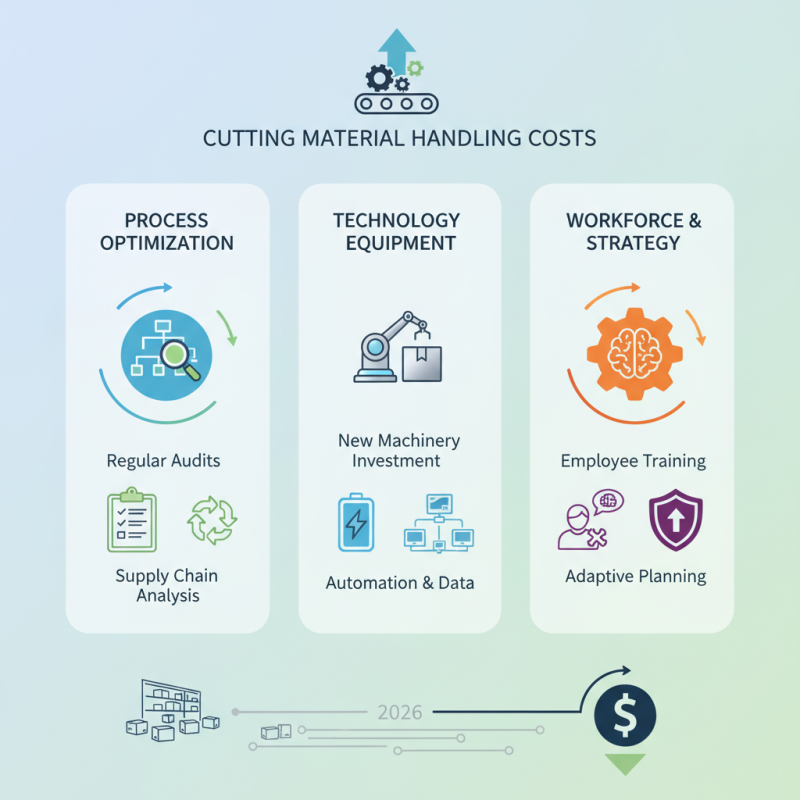
In 2026, cutting material handling costs requires a keen focus on supply chain operations. Analyzing workflows reveals inefficiencies. One area to examine is inventory management. Too much stock ties up capital. Streamlining this process can lead to significant savings. Implementing just-in-time strategies can reduce holding costs and unnecessary handling.
Automation is another important avenue. Investing in automated systems often pays off through increased efficiency. Robots can handle repetitive tasks, reducing labor costs over time. However, initial costs may be high. It’s essential to evaluate return on investment carefully. Training staff on new technologies is also crucial. Resistance to change can hinder progress.
Collaboration with suppliers can further streamline operations. Building strong relationships fosters better communication. This leads to improved delivery schedules and inventory accuracy. Nonetheless, trust must be established over time. Some firms struggle with dependency on suppliers. Balancing this relationship can be challenging but beneficial. Implementing these strategies requires ongoing assessment and flexibility, allowing for adjustments as market conditions change.
Automation is revolutionizing material handling processes. By integrating automated systems, businesses can significantly reduce costs while
increasing efficiency. This technology minimizes human error and improves precision in handling goods.
Many companies are hesitant to make the leap into automation. They worry about costs and potential disruption during the transition. However,
investment in automation has shown considerable returns. Over time, the savings on labor and increased productivity outweigh initial expenditures.
Tips: Start small with automated solutions. Focus on areas with the highest manual intervention. Evaluate the impact regularly, adjusting your strategy as needed. Don't underestimate employee training. It can enhance the effectiveness of your automated systems and make the transition smoother.
Investing in automation isn't just about reducing labor costs. It's about creating a smart workflow that can adapt over time. Many organizations are still navigating this journey, reflecting on the balance between automation and human oversight. Embrace flexibility to learn from challenges along the way.
Data analytics is transforming material handling in 2026. Companies are increasingly leveraging data to identify inefficiencies. According to a recent industry report by McKinsey, organizations that use analytics can reduce handling costs by up to 25%. This change comes as businesses strive to optimize operations.
Utilizing predictive analytics can forecast demand and streamline inventory processes. For instance, analyzing order patterns helps tailor stock levels accordingly. A survey from the Warehousing Education and Research Council revealed that 45% of organizations don’t use data analysis effectively. This gap presents opportunities for improvement.
Moreover, visual data representation aids decision-making. Dashboards displaying real-time metrics are becoming essential. However, many industries face challenges in data integration. Without a cohesive strategy, valuable insights might be overlooked. Embracing data analytics is not just about technology; it also requires a cultural shift within organizations.
This chart illustrates the projected material handling costs across various sectors in 2026, highlighting the potential savings through data analytics.
In 2026, cutting material handling costs while adopting sustainable practices is essential. A recent report from the Environmental Protection Agency highlights that companies can save up to 30% on operational costs by implementing eco-friendly strategies. For example, energy-efficient equipment reduces energy bills significantly.
Investing in recycled materials not only lowers expenses but also supports environmental goals. The World Economic Forum emphasizes that shifting towards sustainable packaging can lead to a 20% reduction in logistics costs. However, companies face challenges in balancing sustainability with expenses. There may be initial costs associated with switching suppliers or updating technology.
Additionally, companies must educate their workforce on sustainable practices. Training programs can be costly and time-consuming. Yet, many organizations report a 40% increase in employee engagement when they implement green initiatives. This change ultimately fosters a more responsible and motivated team. Embracing sustainable practices can yield long-term financial benefits, but companies must remain vigilant and flexible to adapt to ongoing challenges.
Investing in employee training can significantly reduce material handling costs in 2026. When employees are equipped with the right skills, efficiency increases. Training sessions should focus on proper lifting techniques, equipment usage, and safety protocols. This not only lowers the risk of injury but also streamlines operations.
Moreover, developing a culture of continuous learning fosters engagement. Employees who feel valued are more likely to excel in their roles. Implementing mentorship programs can provide informal training opportunities, encouraging knowledge sharing among staff. However, it's crucial to recognize that not all training methods yield immediate results. Some employees may struggle to adapt, requiring additional support.
Evaluating the effectiveness of training programs is essential. Collect feedback regularly to identify areas needing improvement. Monitoring employee performance post-training can help refine future initiatives. This ongoing assessment can transform training from a cost to a valuable investment in your workforce.
: Focus on inventory management, automation, and supplier collaboration for efficiency.
Too much stock ties up capital. Streamlining inventory reduces holding costs and handling.
Automation decreases labor costs by handling repetitive tasks but initial investments can be high.
Without proper training, resistance to change can slow progress and diminish automation benefits.
Strong relationships improve communication, but trust takes time. Balancing dependencies can be tricky.
Companies can identify inefficiencies and reduce costs by up to 25% through analytics.
It helps forecast demand and adjust inventory to meet needs.
Many struggle with data integration and lack effective analysis, leading to missed opportunities.
Dashboards with real-time metrics provide insights, but need solid integration strategies.
Organizations need to adapt ways of thinking to fully utilize analytical insights and improve operations.
In the quest to answer the question, "How To Reduce Operational Costs In Material Handling," organizations can adopt several key strategies to enhance efficiency and minimize expenses. Streamlining supply chain operations plays a vital role, as it encompasses optimizing logistics and ensuring timely processes. Implementing automation in material handling technology can significantly cut labor costs and increase productivity by reducing manual errors and improving speed.
Moreover, utilizing data analytics provides invaluable insights for identifying cost reduction opportunities by analyzing workflow and inventory management. Embracing sustainable practices not only contributes to environmental responsibility but also results in lower operational costs through reduced waste and energy consumption. Finally, investing in employee training enhances skill sets, leading to improved performance and a more agile workforce ready to tackle challenges effectively. By leveraging these approaches, businesses can significantly lower material handling costs and ensure operational excellence.

GLS Forklift