How To Boost Logistics Efficiency Using Technology Solutions?

Time:2026-07-19 Author:Charlotte
0%

In today's rapidly evolving market, logistics efficiency is crucial for success. Businesses seek ways to optimize their operations. Understanding how to improve logistics efficiency with technology is key.

Many companies are turning to innovative solutions. Automation, real-time tracking, and data analytics are examples. These technologies streamline processes and reduce delays. However, implementing these systems can be challenging. Organizations may resist change or lack expertise.

To truly harness technology, companies must invest in training. Employees must be skilled in using new tools. Also, adaptability is essential. Logistics can be unpredictable; technology must evolve with it. Embracing a tech-driven mindset can lead to lasting improvements in logistics efficiency.
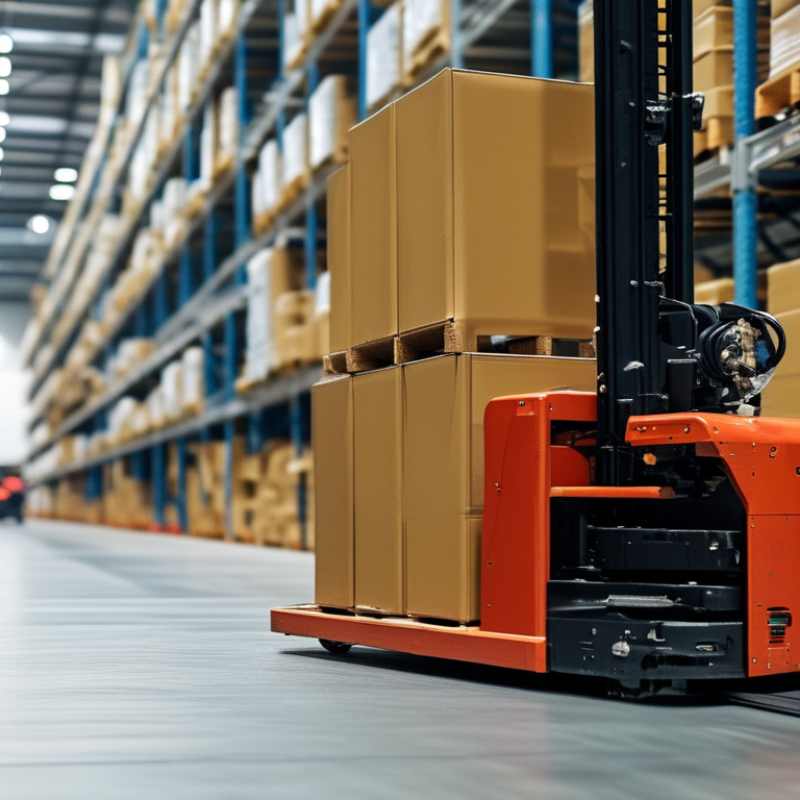
How To Boost Logistics Efficiency Using Technology Solutions?

What is Logistics Efficiency and Why It Matters in Supply Chain?

Logistics efficiency refers to the optimal use of resources to manage the flow of goods and services. It plays a critical role in supply chain management. Improving logistics efficiency reduces costs and enhances customer satisfaction. Poor logistics can lead to delays, increased expenses, and dissatisfied clients. Companies must prioritize efficiency to remain competitive.

To boost logistics efficiency, adopting technology solutions is crucial. Implementing a Warehouse Management System (WMS) can improve inventory tracking. This tool allows for real-time visibility, reducing stock discrepancies. Automated systems optimize picking and packing, saving time.

Tips: Regularly assess your logistics processes. Identify bottlenecks and areas for improvement. Use data analytics to inform decisions. Invest in training for staff on new technologies. Collaboration with suppliers can also enhance overall efficiency. Each step towards improvement matters. Aligning technology with logistics goals can create smoother operations. Reducing waste is key to success.

Exploring Key Technology Solutions for Logistics Optimization

In today's logistics landscape, technology plays a critical role in optimizing operations. According to a report by McKinsey, companies that leverage advanced technology can reduce logistics costs by up to 25%. This statistic emphasizes the need for effective technology solutions in supply chain management.

Automation is a key focus area. Implementing warehouse automation can increase efficiency by 30% or more. However, many companies struggle with integration and workforce readiness. Younger employees may embrace technology faster, but older workers might resist change, leading to potential disruptions.

Another crucial solution is data analytics. Utilizing big data enhances visibility and decision-making. Companies that analyze their data effectively experience a 15% reduction in logistics costs. Yet, the challenge lies in data quality and cybersecurity threats, which can compromise valuable insights. Balancing these elements remains a persistent challenge for logistics firms.

Logistics Efficiency Boost Through Technology Solutions

Implementing Automation in Warehousing and Inventory Management

Implementing automation in warehousing and inventory management is crucial for enhancing logistics efficiency. Automated systems can streamline operations, reducing human error. For example, robotic arms can handle repetitive tasks like picking and packing, freeing up staff for more strategic roles. These systems can also optimize space and increase the speed of order fulfillment.

However, the transition to automation isn’t always smooth. Companies might face resistance from employees who fear job losses. Training is essential to help staff adapt to new technologies. Additionally, selecting the right technology is not straightforward. Solutions need to be tailored to specific warehouse layouts and inventory types. A one-size-fits-all approach often leads to inefficiencies.

Visualizing the layout plays a significant role in successful automation. Using 3D modeling, companies can efficiently plan workflows and minimize bottlenecks. Regularly reviewing these setups ensures that the processes remain effective. Not all automated systems will perform as expected, so it’s vital to reassess strategies periodically. Continuous improvement, rather than a fixed solution, is key to maintaining logistics efficiency.

Leveraging Data Analytics for Enhanced Decision Making in Logistics

In today's logistics landscape, data analytics plays a crucial role in boosting efficiency. Companies can leverage real-time data to make informed decisions. Predictive analytics helps identify potential disruptions before they impact operations. This proactive approach minimizes delays and enhances reliability.

Tips for effective data utilization include investing in robust analytics tools. Ensure these tools integrate seamlessly with existing systems. Regularly train your team on data interpretation. Data-driven cultures yield better results. Encourage continuous feedback from all levels to refine processes.

However, relying solely on technology may lead to oversight. Human intuition and experience remain vital. Striking the right balance is key. Monitoring analytics without context can result in misguided choices. Companies should continuously assess the relevance of their data sources.

The Role of Tracking Systems and IoT in Streamlining Operations

The integration of tracking systems and the Internet of Things (IoT) has transformed logistics operations. Real-time visibility into shipments enables companies to monitor their goods at every stage. This transparency helps in identifying potential delays and inefficiencies quickly. With connected devices, logistics managers gain access to precise location data, empowering them to make informed decisions.


However, the implementation of these technologies is not without challenges. Companies may face difficulties in integrating new systems with legacy software. Additionally, training staff to effectively use these new tools requires time and resources. The balance between technology and human oversight is crucial. Over-reliance on automation could lead to gaps in critical thinking and problem-solving.


Moreover, companies must address security concerns related to IoT devices. Data breaches can compromise sensitive shipping information. Hence, a robust cybersecurity strategy is essential. Finally, while technology offers many advantages, it is vital to continuously assess its impact on team dynamics and customer relationships. Emphasizing a blend of technological efficiency and human intuition can create a well-rounded logistics strategy.

FAQS

: What does logistics efficiency mean?

: Logistics efficiency is the optimal use of resources to manage the flow of goods and services.

Why is logistics efficiency important?

It reduces costs and enhances customer satisfaction, making companies more competitive.

How can companies improve logistics efficiency?

Adopting technology solutions like a Warehouse Management System is key for improved tracking and visibility.

What role do tracking systems play in logistics?

They provide real-time visibility into shipments, helping identify delays and inefficiencies quickly.

What challenges come with new technology in logistics?

Integrating new systems can be difficult, and training staff requires time and resources.

How can data analytics help logistics operations?

Data analytics can inform decisions and identify bottlenecks for continuous improvement.

What are the security concerns with IoT in logistics?

Data breaches may compromise sensitive information, requiring a strong cybersecurity strategy.

Why should companies avoid over-reliance on automation?

It may lead to gaps in critical thinking and problem-solving within teams.

How can collaboration with suppliers enhance efficiency?

Working closely with suppliers can streamline processes and reduce waste in logistics.

What should companies continuously assess regarding technology?

They should evaluate its impact on team dynamics and customer relationships for a balanced approach.

Conclusion

In the modern supply chain landscape, understanding "How To Improve Logistics Efficiency With Technology" is crucial for businesses seeking to enhance their operations. Logistics efficiency refers to the optimization of processes within the supply chain, resulting in reduced costs and improved service levels. By implementing key technology solutions such as automation in warehousing and inventory management, companies can streamline operations, minimize errors, and boost productivity.

Additionally, leveraging data analytics empowers organizations to make informed decisions that drive continuous improvement in logistics practices. The integration of tracking systems and the Internet of Things (IoT) plays a significant role in providing real-time visibility across the supply chain, allowing businesses to respond swiftly to any disruptions. By embracing these technological advancements, companies can achieve greater logistics efficiency, ultimately leading to enhanced competitiveness in the marketplace.

Charlotte

Charlotte

Charlotte is a seasoned marketing professional with a deep understanding of the company's portfolio and a passion for elevating its presence in the market. With a keen eye for detail and a commitment to excellence, she ensures that our professional blog is regularly updated with insightful articles......