In the fast-paced industrial landscape, knowing how to extend the lifespan of industrial equipment is crucial. With hefty investments at stake, equipment failure can lead to significant downtime and expense. Understanding maintenance strategies is essential for maximizing productivity and minimizing costs.
Regular inspections and proactive maintenance play a vital role. Monitoring performance can help detect potential issues before they escalate. Additionally, staff training on proper usage can reduce wear and tear. However, many companies overlook these simple yet effective measures.
It's important to remember that even with the best practices, some equipment may still face unexpected challenges. Learning from past failures can guide improvements. Industry experts often emphasize the value of data analysis. By collecting performance metrics, organizations can make informed decisions. In the end, extending the lifespan of industrial equipment requires a balanced approach of attention, expertise, and adaptability.
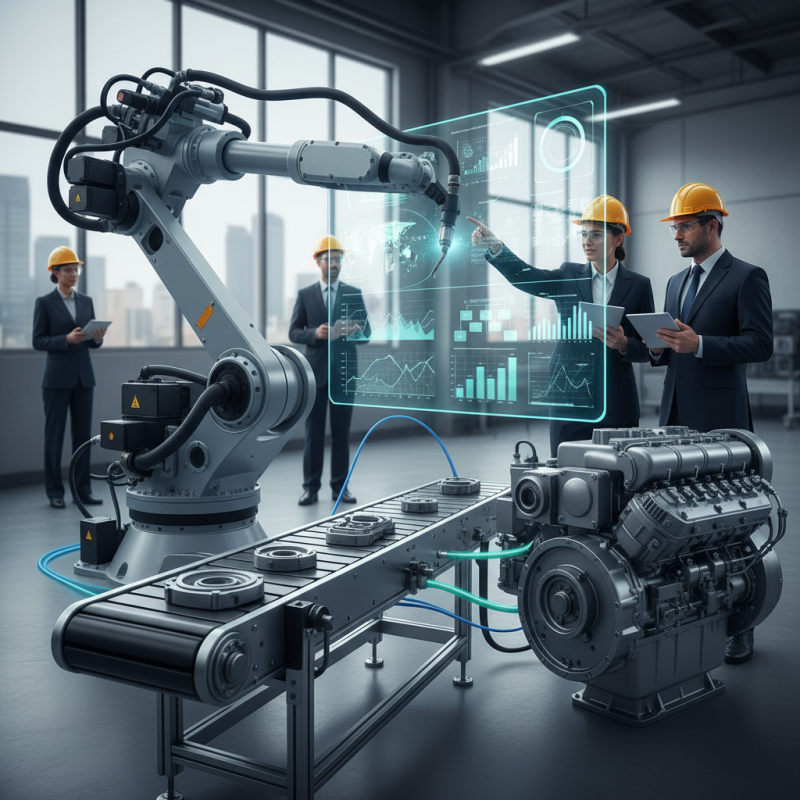
Regular preventive maintenance is crucial for enhancing the longevity of industrial equipment. According to a report by the U.S. Department of Energy, effective maintenance practices can reduce equipment failures by up to 30%. Well-planned maintenance schedules allow for timely repairs and inspections. This proactive approach helps identify potential issues before they escalate.
Routine checks should include lubrication, calibration, and parts replacement. For instance, changing filters regularly can improve system efficiency by as much as 15%. Additionally, documenting maintenance activities creates a reliable history of performance. Regular analysis of this data helps anticipate equipment needs better. It’s essential to ensure maintenance teams are well-trained and equipped for their tasks.
Yet, many organizations neglect preventive measures due to budget constraints. In fact, a survey by the National Institute of Standards and Technology (NIST) found that over 40% of downtime stems from unforeseen equipment failures. This highlights the importance of investing in adequate maintenance programs. Tools like predictive maintenance can also aid in identifying wear and tear before it disrupts operations. A balanced approach toward maintenance can significantly extend the life of industrial assets.
Implementing advanced monitoring technologies is vital for extending the lifespan of industrial equipment. Regular maintenance can increase equipment efficiency by 20% according to industry reports. Advanced technologies, like IoT sensors, allow for real-time monitoring of equipment health. They help detect potential failures before they escalate into costly repairs. Companies that utilize predictive maintenance techniques can reduce downtime by up to 50%.
One practical tip is to install vibration analysis systems. These can identify irregularities in machinery early. Another valuable option is thermal imaging. It highlights potential overheating parts, preventing severe damage. Regularly analyzing data from monitoring tools can uncover patterns. Ignoring these patterns can lead to unexpected failures.
Remember, relying solely on monitoring tools isn't enough. Human expertise remains essential. Trained personnel must interpret data and make informed decisions. Balancing technology with human insight is crucial for optimal equipment longevity. Data from organizations shows that a proactive approach enhances machinery lifespan significantly. Don't overlook the importance of continual staff training in these technologies.
Employee training is vital for maintaining industrial equipment. When workers understand best practices for operation and care, equipment tends to last longer. Knowledgeable employees are more alert to potential problems. They can identify and address maintenance needs quickly. This reduces downtime and repair costs. Investing in regular training enhances the skill set of your team significantly.
Tips for effective training include hands-on sessions. Employees will benefit from real experiences with the machinery. Incorporate visual aids and manuals that are easy to understand. This helps them remember critical procedures and safety protocols. Regular refresher courses can also keep their knowledge fresh. Make learning an ongoing part of your workplace culture.
Another point to consider is communication. Encourage workers to share their challenges and suggestions. Sometimes, even minor insights can lead to major improvements. Feedback helps build a learning atmosphere where everyone feels valued. This leads to improved equipment maintenance in unexpected ways. Remember, a well-informed staff is your strongest asset in extending equipment lifespan.
Using quality spare parts is crucial for the longevity of industrial equipment. According to a report by the International Society of Automation, over 30% of equipment failures are linked to substandard parts. Using reliable components can enhance performance and minimize downtime. When equipment operates at peak levels, production costs decrease, and safety standards improve.
One tip to optimize performance is regular inspection. Ensure that spare parts meet manufacturer specifications. This step helps avoid unforeseen breakdowns. Choosing parts from reputable suppliers can prevent the pitfalls of low-quality materials. Many operators underestimate the impact of such choices.
Another important factor is employee training. Workers must understand the significance of using quality parts. Investing in staff development can yield significant returns. Reports indicate that companies with trained personnel experience 25% fewer equipment failures. Continuous improvement in knowledge leads to better maintenance practices, promoting reliability.
| Method | Description | Benefits | Frequency |
|---|---|---|---|
| Regular Maintenance | Scheduled inspections and servicing of equipment. | Prevents unexpected failures and extends equipment life. | Monthly |
| Quality Spare Parts | Using OEM or high-quality aftermarket parts for repairs. | Ensures reliability and optimal performance. | As needed |
| Proper Operation Training | Training operators on correct usage and handling. | Reduces misuse and wear and tear. | Annually |
| Lubrication | Regular lubricating moving parts as per specification. | Minimizes friction and extends part life. | Monthly |
| Environmental Control | Managing temperature and humidity in equipment areas. | Protects against corrosion and overheating. | Continuous |
| Vibration Monitoring | Using sensors to assess equipment vibrations. | Identifies potential issues early. | Weekly |
| Electrical Checks | Regular audits of electrical components and connections. | Prevents electrical failures and downtime. | Quarterly |
| Software Updates | Keeping control and diagnostic software current. | Improves efficiency and usage analytics. | As released |
| Inspection Records | Maintaining logs of inspections and maintenance activities. | Helps in tracking performance and scheduling. | Ongoing |
| Systematic Replacement | Planning ahead for replacement of worn-out components. | Reduces unexpected breakdowns. | As per schedule |
Optimizing operating conditions can greatly extend the lifespan of industrial equipment. According to a recent report from the Institute of Mechanical Engineers, nearly 50% of machinery failures stem from improper operating conditions. Ensuring optimal temperature and humidity can minimize wear and tear. For instance, operating equipment at recommended temperatures can reduce stress on parts by 30%.
Regular monitoring of load levels is essential. Overloading machines causes premature wear. A study by the National Institute of Standards and Technology found that just a 10% increase in load can reduce machinery lifespan by up to 25%. Maintaining appropriate operational metrics can drastically improve efficiency.
Cleaning equipment regularly helps to maintain optimal function. Dust and debris can lead to overheating and increased friction. It's crucial to establish routine inspections to identify wear patterns early. Reflecting on operational habits may reveal areas of concern. A small adjustment in practices can make a big difference in equipment longevity.
The chart above displays the impact of various maintenance strategies on the lifespan of industrial equipment, rated from 1 to 10, with 10 being the most beneficial. Regular maintenance and timely repairs have the highest impact, emphasizing the importance of these practices in optimizing equipment longevity.
: It helps extend lifespan and boosts efficiency by 20%. Real-time monitoring detects issues early.
It can cut downtime by up to 50%. This reduces unexpected failures and repair costs.
Install vibration analysis systems to catch irregularities early. They can signal potential mechanical issues.
Trained workers can quickly spot maintenance needs. This reduces repair costs and downtime significantly.
Hands-on sessions and clear visual aids work best. Regular refresher courses keep knowledge up-to-date.
Encouraging workers to share insights fosters a collaborative atmosphere. Small suggestions can lead to major improvements.
Human expertise is essential for interpreting data correctly. Relying solely on technology may cause oversights.
Ongoing training keeps employees informed and vigilant. It enhances their skills and knowledge for better outcomes.
Regular analysis uncovers patterns and potential problems. Ignoring them can lead to unexpected failures.
Without trained personnel, important data might be misunderstood. Technology isn't a substitute for human insight.
In the quest to understand "How To Extend The Lifespan Of Industrial Equipment," several effective strategies emerge that can significantly enhance equipment longevity. Regular preventive maintenance is crucial; it involves routine checks and repairs that help identify potential issues before they escalate. Coupled with advanced monitoring technologies, these practices allow for early problem detection, giving operators the advantage of addressing malfunctions timely.
Moreover, employing quality spare parts ensures that machinery operates at optimal performance and reliability, preventing premature wear. Lastly, employee training in best practices for equipment operation and care is fundamental, as knowledgeable staff can better maintain and manage equipment. Optimizing operating conditions further minimizes wear and tear, creating an environment conducive to prolonged equipment life.

GLS Forklift