10 Best Safety Equipment to Improve Workplace Safety?

Time:2026-06-07 Author:Amelia
0%

In today's fast-paced work environment, ensuring safety is essential. How to improve workplace safety with proper equipment is a crucial question for employers. Safety equipment plays a vital role in protecting employees and reducing accidents. Choosing the right tools can mitigate risks and create a safer atmosphere.

The best safety equipment should be practical, reliable, and suited to specific job duties. From personal protective gear to robust machinery, each item contributes to a comprehensive safety strategy. However, simply having these tools is not enough. Regular training and evaluation are necessary to maximize their effectiveness.

Employers must recognize that safety equipment has its limitations. While it is a protective measure, it should not lead to complacency. Continuous improvement and feedback are vital in this area. As we explore the ten best safety equipment options, we must also consider how they can be integrated effectively into our daily operations.
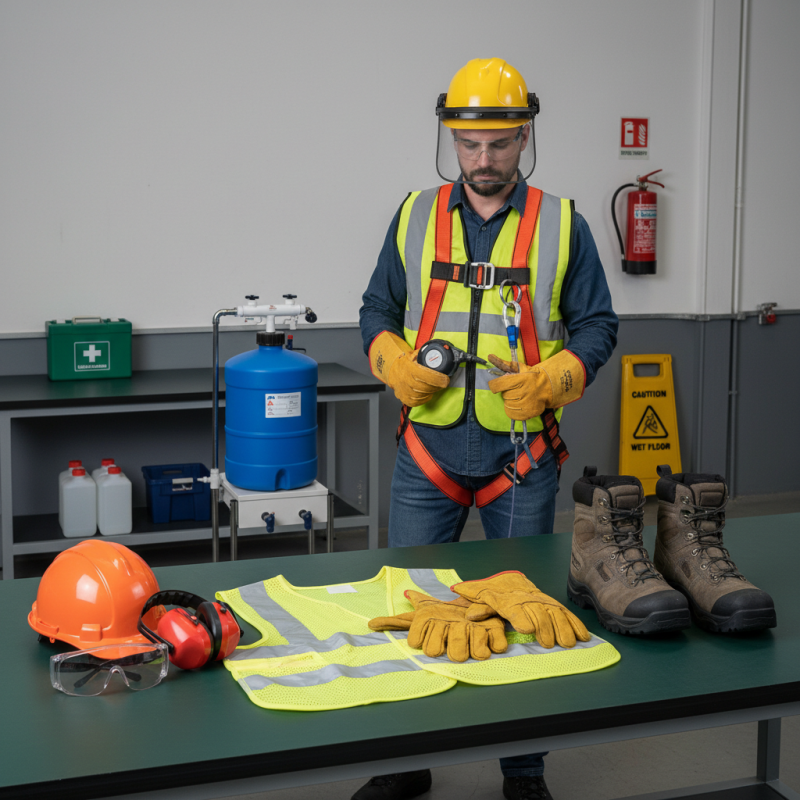
10 Best Safety Equipment to Improve Workplace Safety?

Importance of Workplace Safety Equipment in Hazard Prevention

Workplace safety equipment is crucial for preventing hazards and protecting employees. Investing in high-quality gear significantly reduces the risk of injuries. Various types of equipment, such as protective eyewear, helmets, and gloves, shield workers from common dangers. Proper usage of this equipment can enhance the overall safety culture in an organization.

Despite these benefits, some workers may neglect safety protocols. Overconfidence often leads to risky behavior. For example, workers might skip wearing safety harnesses, thinking they won’t fall. This mindset puts them at greater risk. Regular training sessions on the importance of using safety gear can help mitigate this issue. It’s essential to create an environment where safety is a priority.

Furthermore, while equipment can prevent accidents, it is not a silver bullet. Regular equipment maintenance is needed to ensure effectiveness. Workers must be encouraged to report any safety concerns. Open communication can lead to better safety practices and a healthier workplace. Everyone should feel responsible for their safety and the safety of their colleagues. Implementing consistent safety audits can also help identify weaknesses.

Top Personal Protective Equipment (PPE) for Employees in High-Risk Jobs

In high-risk jobs, personal protective equipment (PPE) is essential for maintaining safety. Workers in construction, manufacturing, or healthcare deal with potential hazards daily. Hard hats, gloves, and safety glasses are common items that can prevent serious injuries. These tools should fit properly to provide maximum protection. A helmet that's too loose or goggles that don't seal well can lead to accidents.

Moreover, it's vital for employees to understand the importance of wearing PPE consistently. Training sessions can help workers recognize hazards and the right equipment needed for each task. However, some may ignore PPE due to discomfort or inconveniences. This mindset can lead to negligence. Employers must foster a safety culture, making PPE accessible and encouraging its regular use.

Regular inspections and maintenance of PPE can highlight its effectiveness. Worn-out gloves or damaged helmets cannot protect adequately. Employees need to be trained on how to inspect their gear. They should feel empowered to speak up if their equipment is not up to standard. This proactive approach ensures that workplace safety remains a priority.

Innovative Safety Gear to Enhance Visibility and Communication

In today's rapidly evolving workplace, incorporating innovative safety gear is essential for enhancing visibility and communication among workers. According to the Occupational Safety and Health Administration (OSHA), nearly 20% of workplace injuries stem from a lack of visibility. Therefore, equipping employees with high-visibility clothing and gear significantly reduces these risks. Reflective vests and brightly colored helmets are vital for workers in high-traffic areas. These small changes play a big role in preventing accidents.

Clear communication is equally important in safety protocols. For instance, integrating two-way radios or communication headsets can greatly improve team coordination. A study from the National Institute for Occupational Safety and Health (NIOSH) emphasizes that clear communication reduces the likelihood of misunderstandings that could lead to accidents. Investing in technology that enhances communication keeps everyone on the same page.

Tips: Conduct regular drills to familiarize workers with the gear. Encourage feedback on visibility during these drills for continuous improvement. Additionally, this equipment should be frequently assessed for wear and tear. Poorly maintained safety gear can lead to complacency and increased risk. Prioritizing visibility and communication in safety strategies can create a safer work environment.

10 Best Safety Equipment to Improve Workplace Safety

Safety Equipment Description Key Features Visibility Enhancement Communication Improvement
High-Visibility Vest A lightweight vest made from fluorescent material. Reflective strips, adjustable sizing. Increases visibility in low-light areas. Can include ID badges for identification.
Safety Goggles Protective eyewear for hazardous environments. Impact-resistant, anti-fog coating. Enhances visual clarity in various conditions. Allows for clearer communication without obstruction.
Hard Hat Head protection for construction sites. Built-in communication headsets, adjustable straps. Often comes in bright colors for visibility. Facilitates hands-free communication with co-workers.
Steel-Toed Boots Footwear designed to protect against heavy falling objects. Slip-resistant soles, reinforced toe caps. Available in bright colors for visibility. Can include communication systems for alerts.
Ear Protection Devices to protect against noise hazards. Noise-cancelling features, comfortable fit. Available in bright colors for visibility. Some models allow sound communication.

Essential Ergonomic Tools for Reducing Workplace Injuries

Creating a safer workplace is crucial to employee well-being. Ergonomic tools play a vital role in reducing injuries. According to the Bureau of Labor Statistics, musculoskeletal disorders account for 33% of all workplace injuries. Investing in ergonomic equipment can significantly lower these numbers.

Items like adjustable desks are essential. They promote better posture and reduce strain. Studies indicate that workers using adjustable desks report less discomfort. Ergonomic chairs provide lumbar support, which is critical for spinal health. The National Institute for Occupational Safety and Health states that proper seating reduces the risk of back injuries.

Another valuable tool is anti-fatigue mats. These mats can help reduce the discomfort of standing for long periods. Research shows that they can improve productivity by up to 15%. Additionally, tools like ergonomic keyboards and mouse devices can minimize hand strain. However, even with these tools, employees must adopt proper techniques. Education about their use is often overlooked. Without proper training, even the best equipment may not prevent injuries.

Effective Fire Safety Equipment and Their Role in Emergency Preparedness

In any workplace, fire safety equipment plays a crucial role in emergency preparedness. Fire extinguishers, smoke detectors, and fire blankets are essential tools every organization should have. Having these items readily available can dramatically reduce the risk during an emergency. Regular training is also critical. Employees must be familiar with using these tools effectively.

Understanding how to use fire safety equipment isn't always intuitive. Many people freeze during emergencies, which can lead to panic. Regular drills can help employees practice responding to a fire. Familiarity with escape routes and assembly points can reduce confusion. However, it's vital to remember that equipment alone isn't enough.

Inspecting equipment is just as important as having it. A fire extinguisher that isn't charged or a smoke detector with a dead battery offers a false sense of safety. Regular checks can identify these issues. Fire safety information should be accessible and clear. Staff should know where to find it. Creating a culture of safety in the workplace needs continuous effort and adaptation. Fire safety is not a one-time task but an ongoing commitment.

Top 10 Safety Equipment to Improve Workplace Safety

This chart illustrates the importance levels of various safety equipment in enhancing workplace safety. The scale ranges from 1 to 10, indicating how critical each piece of equipment is for protecting employees and complying with safety regulations.

FAQS

: Why is workplace safety equipment important?

: It prevents hazards and protects employees from injuries. Quality gear reduces risks significantly.

How can overconfidence affect safety?

Workers may neglect safety protocols, thinking they are invincible. This mindset increases their risk of injury.

What types of safety equipment should workers use?

Protective eyewear, helmets, and gloves are essential. They shield workers from common dangers effectively.

How can communication improve workplace safety?

Clear communication reduces misunderstandings that lead to accidents. Two-way radios enhance team coordination.

What role do ergonomic tools play in safety?

They reduce injuries by promoting better posture and minimizing strain on the body.

How often should safety equipment be maintained?

Regular maintenance is crucial. Poorly maintained gear can lead to complacency and increased risks.

What can be done to improve visibility in the workplace?

High-visibility clothing and reflective gear significantly reduce risks. These small changes have a big impact.

Why is training important for safety equipment usage?

Proper education on equipment use is often overlooked. Without it, injuries may still occur regardless of the tools available.

How can an organization foster a safety culture?

Encourage open communication about safety concerns. Everyone should feel responsible for their safety and colleagues’ safety.

What can be the consequence of neglected ergonomic practices?

Without proper techniques, even ergonomic tools can fail to prevent injuries. Training cannot be ignored.

Conclusion

Workplace safety is paramount for risk prevention and employee well-being. Understanding "How To Improve Workplace Safety With Proper Equipment" involves integrating effective safety gear and personal protective equipment (PPE) tailored to high-risk jobs. Essential tools such as helmets, gloves, and high-visibility vests help shield employees from job hazards and improve overall safety standards.

In addition to PPE, innovative safety gear enhances visibility and communication among workers, fostering a safer work environment. The use of ergonomic tools can significantly reduce workplace injuries by promoting proper posture and reducing strain. Additionally, effective fire safety equipment plays a critical role in emergency preparedness, ensuring that organizations are ready to respond efficiently to any incidents. By prioritizing these essential safety measures, businesses can create a safer, more productive workplace for everyone involved.

Amelia

Amelia

Amelia is a seasoned marketing professional with a wealth of expertise in our company’s core offerings. With an unwavering passion for driving growth and innovation, she plays a pivotal role in shaping our marketing strategies and enhancing brand visibility. A key aspect of her responsibilities......