2026 Best Forklift Maintenance Tips for Long Term Performance

Time:2026-11-07 Author:Ethan
0%

Forklifts earn their keep in busy warehouses, loading bays, and outdoor yards. They also take a steady beating. Dust gathers around air intakes, tires pick up scraps, and hydraulic hoses flex through hundreds of movements. Small warning signs can be easy to miss during a rushed shift.

How To Maintain Forklifts For Long Term Performance starts with consistent checks, not complicated repairs. Operators can look for fluid leaks, damaged forks, unusual tire wear, and warning lights before each shift. A quick check takes minutes. Record what you find, including small changes, so the next inspection has useful context. A slow lift or new vibration may point to a problem worth investigating.

Good maintenance also depends on the machine. Electric forklifts need attention to batteries, connectors, and charging routines. Internal-combustion models have different service needs, including engine fluids and filters. Follow the manufacturer’s manual for inspection intervals and approved parts. When a fault requires technical work, use a qualified service professional rather than guessing. That distinction matters.

A written service schedule helps teams track inspections, repairs, and recurring issues. Still, a checklist is not a guarantee. People get busy, notes can be incomplete, and a machine may behave differently under load. Review maintenance records regularly and adjust routines when operating conditions change. These practical habits can reduce avoidable wear, support safe operation, and help forklifts remain dependable over time.
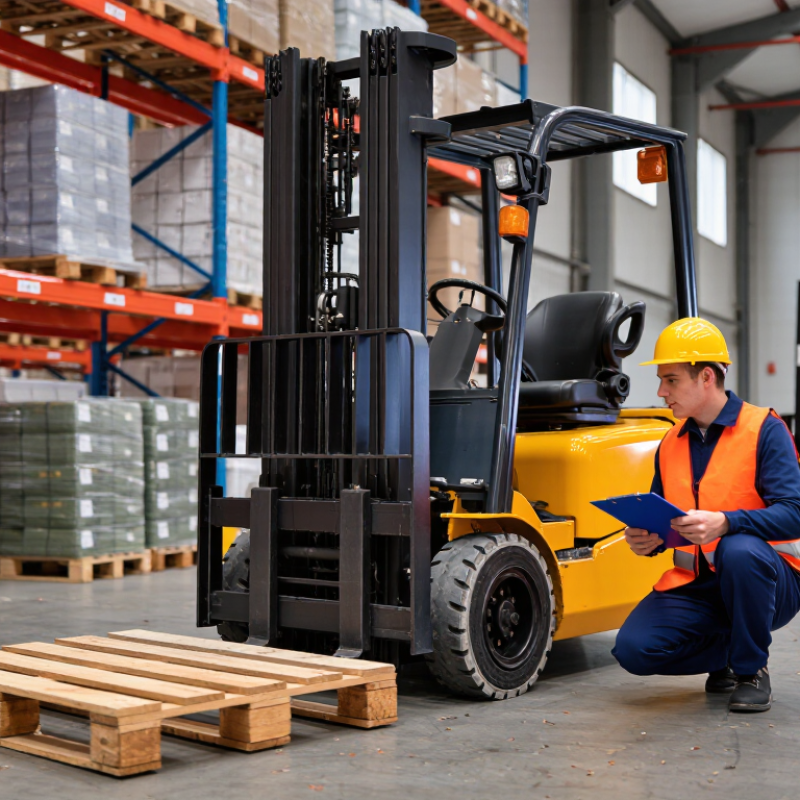
2026 Best Forklift Maintenance Tips for Long Term Performance

Understanding How Routine Maintenance Extends Forklift Performance

Routine maintenance extends forklift performance by catching wear before it becomes downtime. A pre-shift walkaround can reveal low tire pressure, damaged forks, leaking fluid, or a warning light that was easy to miss yesterday. Check the mast, chains, brakes, steering, and safety devices according to the operator’s checklist. It takes minutes. Small defects can grow quickly under heavy loads and repeated shifts.

Service intervals should follow the equipment manual and reflect actual working conditions. Dusty floors, outdoor use, frequent lifting, and long operating hours can increase wear. Technicians can inspect hydraulic hoses, filters, brakes, and electrical connections, then replace parts when measurements or condition call for it. Never treat a fluid top-up as proof that a leak is fixed. Some problems return because the source was not found.

Keep clear records of operating hours, inspections, repairs, and recurring faults. A pattern of rising temperatures or repeated tire damage may point to an underlying issue, not bad luck. I have seen routine checks become rushed when production gets busy; that is precisely when missed details can cost time. A simple, consistently completed log helps maintenance teams plan service and compare changes over time.

Creating a Preventive Maintenance Schedule for Daily and Periodic Checks

A reliable maintenance schedule starts before the first pallet moves. OSHA’s powered industrial truck standard, 29 CFR 1910.178(q)(7), requires inspections at least daily and after each shift when trucks operate around the clock. Record the date, truck hours, defects, and corrective action. Small clues matter. Check forks for cracks, tires for embedded debris, and the mast for leaks or uneven movement. Test brakes, steering, horn, lights, and the restraint system in a clear area.

Set periodic checks by operating hours and the equipment manual, not calendar habit alone. A dusty warehouse, cold storage room, or heavy multi-shift workload may demand closer attention. Each week, review battery connections or fluid levels, depending on truck type, and clean cooling areas. At scheduled service intervals, have qualified technicians inspect hydraulic lines, chains, brakes, and safety devices. No checklist is perfect. A rushed tick mark can hide a loose connection, so investigate unusual sounds and repeat defects rather than simply resetting the schedule.

Keep one maintenance log beside the service area and compare recurring faults across weeks. OSHA’s standard also says trucks with safety-affecting defects must be removed from service until restored. That threshold is practical, not dramatic: a soft brake pedal or a fresh oil spot deserves action before the next load. Some checks will feel repetitive; that is part of the discipline, though the schedule should be reviewed when routes, shifts, or working conditions change.

Inspecting Forks, Tires, Brakes, Masts, and Hydraulic Systems

Forklift inspections work best when they are specific, not rushed. OSHA’s Powered Industrial Trucks eTool cites estimates of about 85 forklift-related deaths and 34,900 serious injuries each year. OSHA standard 29 CFR 1910.178(q)(7) also calls for inspections at least daily, and after each shift for continuously used trucks. Check fork heels for cracks, bends, and uneven wear; confirm locking pins are secure. Look for tire chunks, deep cuts, and uneven wear. Test service and parking brakes in a clear area before loading. Small clues matter. A checklist can feel repetitive, and that is when defects are easiest to overlook.

Raise the mast only as the operator’s manual permits, then inspect chains for rust, damaged links, and unequal tension. Watch rollers and rails for binding or unusual movement. Look under the truck for fresh hydraulic fluid, and inspect hoses and fittings for wet spots, bulges, or abrasion. Low fluid or a drifting attachment deserves attention, not a quick top-up and a guess. Do not guess. Remove a truck with a safety-critical defect from service and report it for qualified repair. Record what you found, including tire damage or a slow brake response; vague notes make repeat problems harder to track. Recheck after repairs before returning the forklift to work.

2026 Forklift Maintenance: Core Inspection Points

A practical checklist for long-term performance across forks, tires, brakes, mast, and hydraulic systems.

Bars count the inspection points included for each system; they are checklist counts, not failure rates or required service intervals. Follow the forklift manufacturer’s guidance and your site’s operating conditions when setting maintenance schedules.

Servicing Batteries, Engines, Fluids, and Safety Features

Battery care begins with a cool, clean compartment. Check cables for fraying, terminals for corrosion, and battery cases for cracks or leaks. For serviceable lead-acid batteries, follow the manual’s water and charging instructions; sealed batteries require different handling. Never top up before charging unless the equipment instructions specify otherwise. Small routines matter. For engine-powered trucks, inspect oil and coolant levels, hoses, belts, air filters, and visible leaks. Check fluids on level ground, using the procedures and intervals specified for that truck. A drip beneath the mast can signal a problem worth investigating, not just wiping away.

Safety checks protect people as well as equipment. OSHA’s powered industrial truck guidance cites estimates of about

85 deaths and 34,900 serious injuries annually in forklift incidents. These are broad estimates, not a prediction for 2026, but they make skipped inspections hard to justify.

Before each shift, test the brakes, horn, lights, steering, and required restraint system. Look for damaged forks, loose mast chains, worn tires, and hydraulic leaks. OSHA standard 1910.178(q)(7) requires trucks to be examined at least daily, or after each shift when used continuously. Record defects and remove unsafe trucks from service. A checklist helps, though it cannot replace a careful look—or a technician’s judgment when something feels off.

Recording Maintenance and Addressing Wear Before Failures Occur

A maintenance record is useful only when it reflects what operators actually notice during a shift. Write down the date, operating hours, location, and person completing each inspection. Note specific findings, such as a damp hydraulic fitting, a cracked tire edge, or a brake pedal that feels softer than usual. Small details matter. Compare each entry with earlier notes; gradual changes are easy to dismiss while a truck still runs. Consistent records give technicians a clearer basis for deciding whether to monitor, adjust, or remove equipment from service.

Forklift wear often appears in small clues before a breakdown. Look for uneven tire wear, loose mast chains, thinning at the fork heel, and fresh hydraulic fluid beneath the truck. Check chain slack and fork condition against the equipment’s service guidance; visual judgment alone can miss structural damage. If a defect affects steering, braking, lifting, or load stability, stop using the truck and arrange a qualified inspection. Do not guess. Not every scratch signals danger, and records can be inconsistent on busy days. Review them regularly and correct gaps while details are still easy to verify.

FAQS

What should operators check before each shift?

Walk around the truck. Check tire pressure, forks, mast chains, brakes, steering, lights, horn, and safety devices. It takes minutes.

How often should forklifts receive scheduled servicing?

Follow the equipment manual and adjust for dusty floors, outdoor work, frequent lifting, and long operating hours. Conditions vary.

What battery checks help prevent problems?

Keep the compartment cool and clean. Look for frayed cables, corroded terminals, cracks, or leaks. Follow the battery-specific charging instructions.

Which engine and fluid checks are useful?

On level ground, check oil, coolant, hoses, belts, filters, and visible leaks. A drip beneath the mast deserves investigation.

Why keep maintenance records?

Record dates, operating hours, locations, inspections, repairs, and specific findings. A damp fitting is more useful to note than “checked.”

What small signs may point to wear?

Watch for uneven tires, loose chains, thinning fork heels, and fresh fluid beneath the truck. Small clues matter.

What should operators do when a safety-related defect appears?

Stop using a truck if steering, braking, lifting, or load stability may be affected. Arrange a qualified inspection. Do not guess.

Does adding fluid fix a leak?

No. A top-up does not identify or repair the source. Check for recurring leaks and have the cause assessed.

Are maintenance logs always complete?

Not always. Busy shifts can make notes uneven; review records regularly and fill gaps while details are still clear.

Conclusion

Long-term forklift performance depends on consistent care rather than occasional repairs. This guide explains how routine maintenance can reduce unnecessary wear, support reliable operation, and help identify small issues before they become costly breakdowns. It outlines a practical preventive maintenance schedule, combining quick daily checks with periodic inspections based on equipment use and condition.

Readers will learn how to inspect forks, tires, brakes, masts, and hydraulic systems, as well as how to service batteries or engines, monitor fluids, and verify safety features. Clear maintenance records make it easier to track recurring concerns and plan timely service. By following these steps, operators and maintenance teams can better understand How To Maintain Forklifts For Long Term Performance and keep equipment dependable over time.

Ethan

Ethan

Ethan is a seasoned marketing professional with a deep expertise in our company's innovative product line. With a passion for sharing knowledge and insights, he takes the lead in regularly updating our corporate blog, where he explores industry trends, product features, and effective marketing......